The discussion around real estate investment often includes REITs (Real Estate Investment Trusts), lauded for their liquidity, diversification, and professional management. Proponents, like investor Jussi Askola, highlight these benefits, suggesting they offer an accessible entry point into real estate without the operational complexities.
However, for the individual investor seeking to build substantial wealth and control their financial destiny, the advantages of private, distressed real estate far outweigh the passive returns of REITs. While REITs provide exposure to real estate, they strip away the most powerful levers of profit: the ability to acquire assets below market value, force appreciation through strategic improvements, and dictate exit strategies.
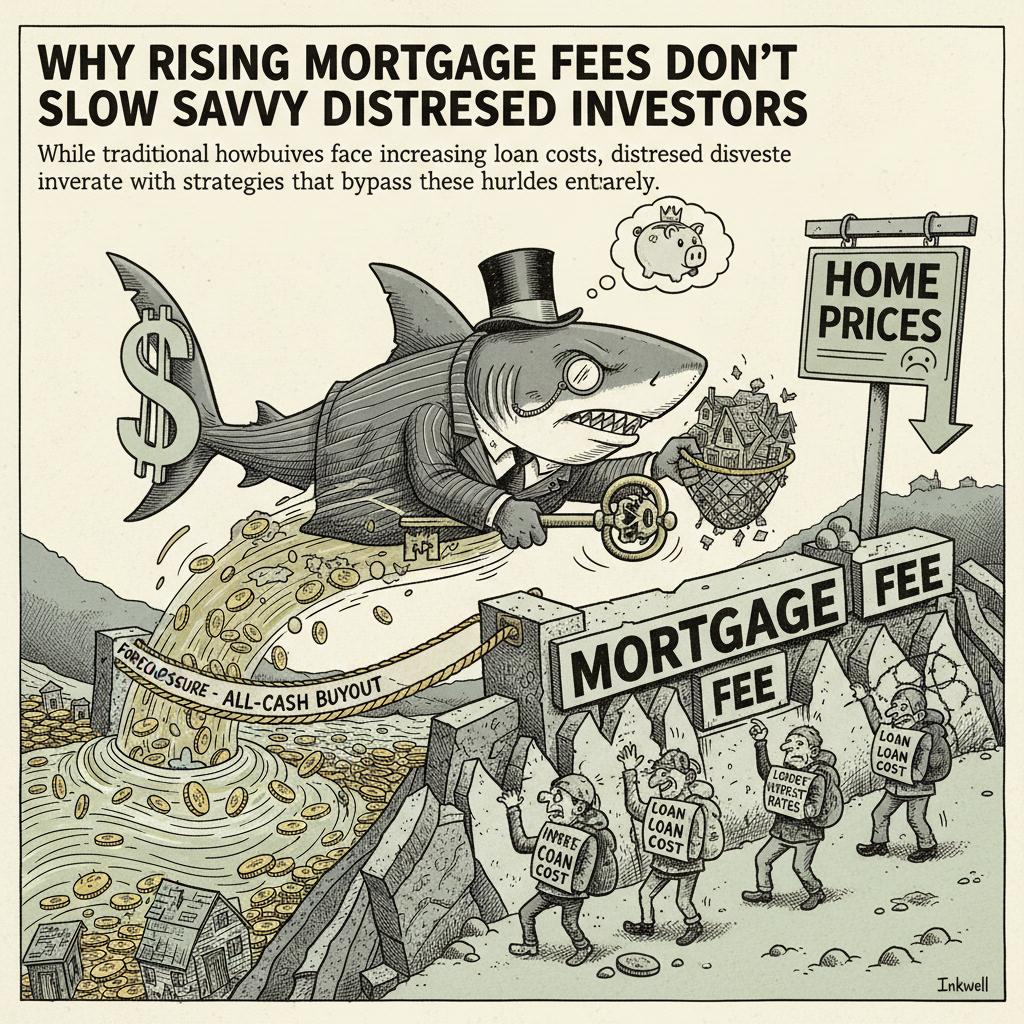
Consider the core appeal of distressed properties: they are inherently undervalued. A REIT, by its very nature, acquires and manages stabilized assets, often at or near market rates. An operator in the distressed space, however, is solving a problem for a motivated seller, allowing them to secure properties at a significant discount. This immediate equity, often 30-50% below market value, is a profit margin REIT investors can only dream of.
Furthermore, the "economies of scale" touted by REITs often translate to a dilution of individual investor returns. As a private operator, every dollar invested in a renovation or a strategic marketing campaign directly impacts your bottom line. The Wilder Blueprint's Charlie 6 framework, for instance, allows an individual to quickly qualify a distressed deal for maximum profit potential, a level of granular control impossible within a REIT structure. This isn't about passive income; it's about active wealth creation, where your effort directly correlates to your equity growth.
"REITs are for those who want to invest in real estate like a stock. Private distressed investing is for those who want to build a real estate business," observes Maria Rodriguez, a seasoned real estate analyst. For serious investors, the path to significant returns lies in the tangible assets and strategic control offered by distressed properties, not in a publicly traded portfolio.