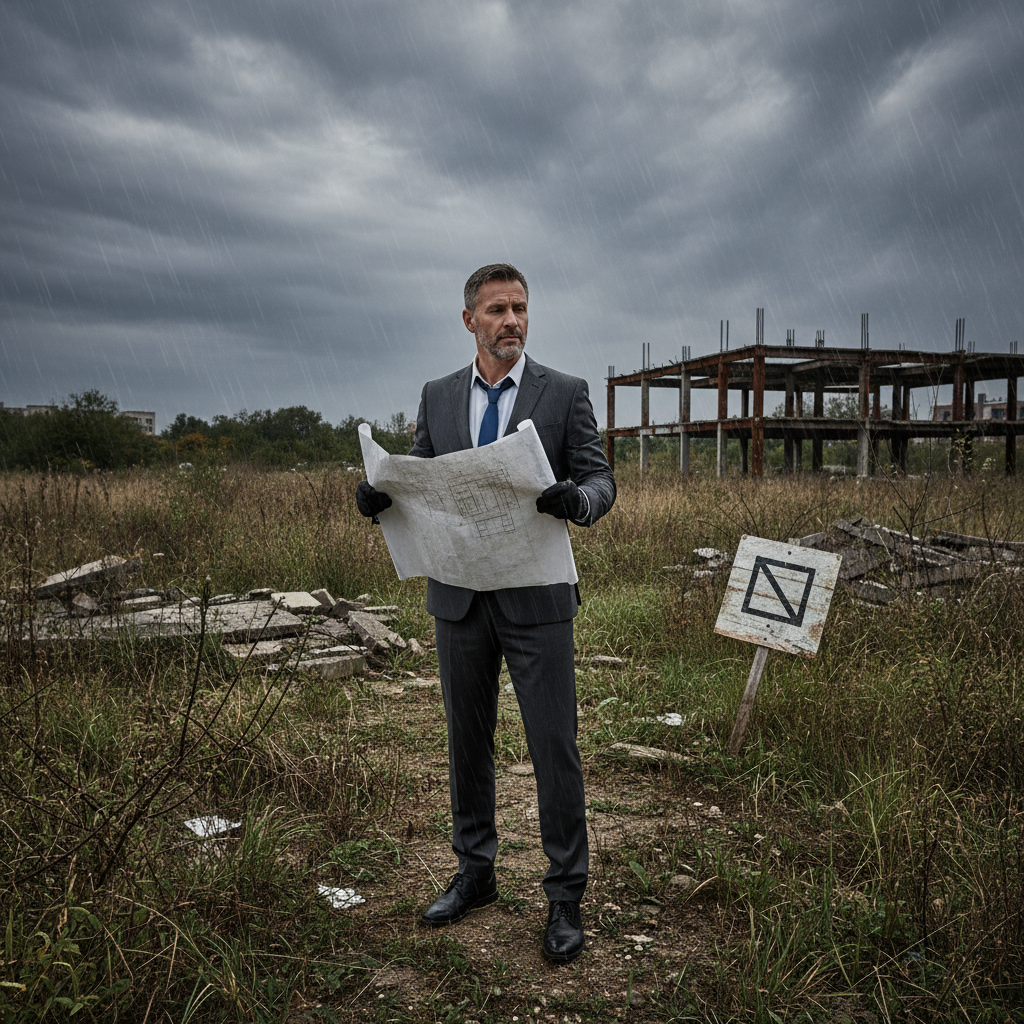
The allure of quick profits in land investing can be powerful, sometimes blinding even seasoned operators to critical risks. Stories emerge periodically of investors, once celebrated for their successes, facing substantial setbacks—even going 'from rockstar to zero'—due to a single, poorly vetted acquisition. This isn't about bad luck; it's about a breakdown in fundamental due diligence.
Land investing, like any real estate venture, demands rigorous analysis. The 'rockstar' mentality often leads to overconfidence, where the excitement of a potential deal overshadows the methodical process of uncovering liabilities. Unlike residential properties with established comps and clear zoning, land can hide a multitude of issues: environmental hazards, unrecorded easements, access problems, restrictive covenants, or unforeseen development costs. A single unknown can turn a perceived goldmine into a financial black hole.
For investors exploring distressed real estate, this serves as a potent reminder. Whether it's a pre-foreclosure home or a vacant lot, the principle remains: every deal must pass through a strict qualification framework. The Wilder Blueprint emphasizes systems like the Charlie 6 for a reason—to systematically identify red flags and assess true potential before capital is committed. Skipping steps, relying on intuition over data, or succumbing to deal-fever are common pitfalls that can derail even a successful track record.
'The market doesn't care about your past wins; it only cares about the numbers on the current deal,' states Sarah Chen, a veteran real estate analyst. 'Ignoring environmental reports or zoning restrictions on a piece of land is like buying a house without checking for liens. It's a recipe for disaster.'
True success in distressed real estate is built on consistent, disciplined execution, not on chasing the next 'rockstar' deal. It's about mitigating risk through thorough investigation and understanding the true value and liabilities of every asset.