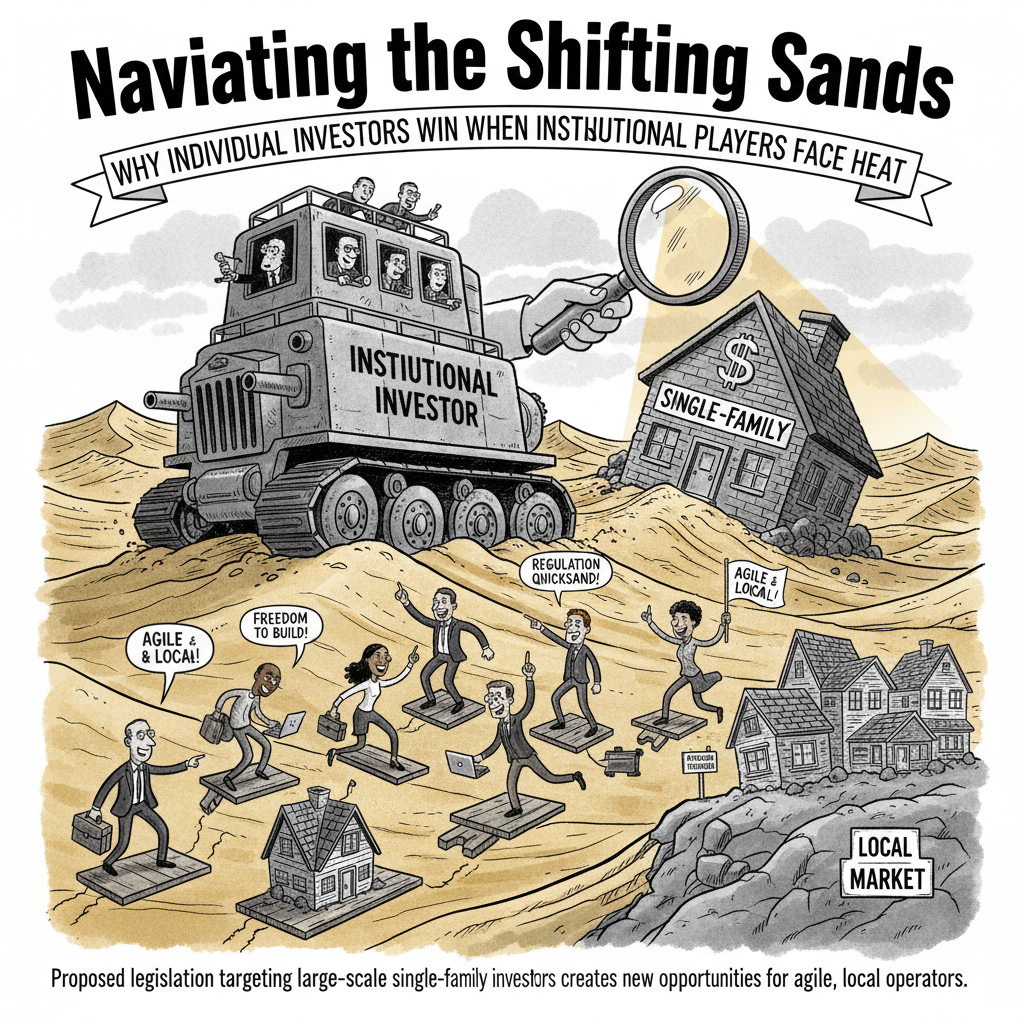
The current real estate landscape is marked by uncertainty, a sentiment echoed by industry leaders like LeadingRE CEO Paul Boomsma. Brokerage firms are contending with increased M&A activity, a rise in private listings, and persistent profit pressures. For the traditional real estate model, this signals a period of adaptation and potential contraction. For the distressed real estate investor, however, these very challenges illuminate a clear path to opportunity.
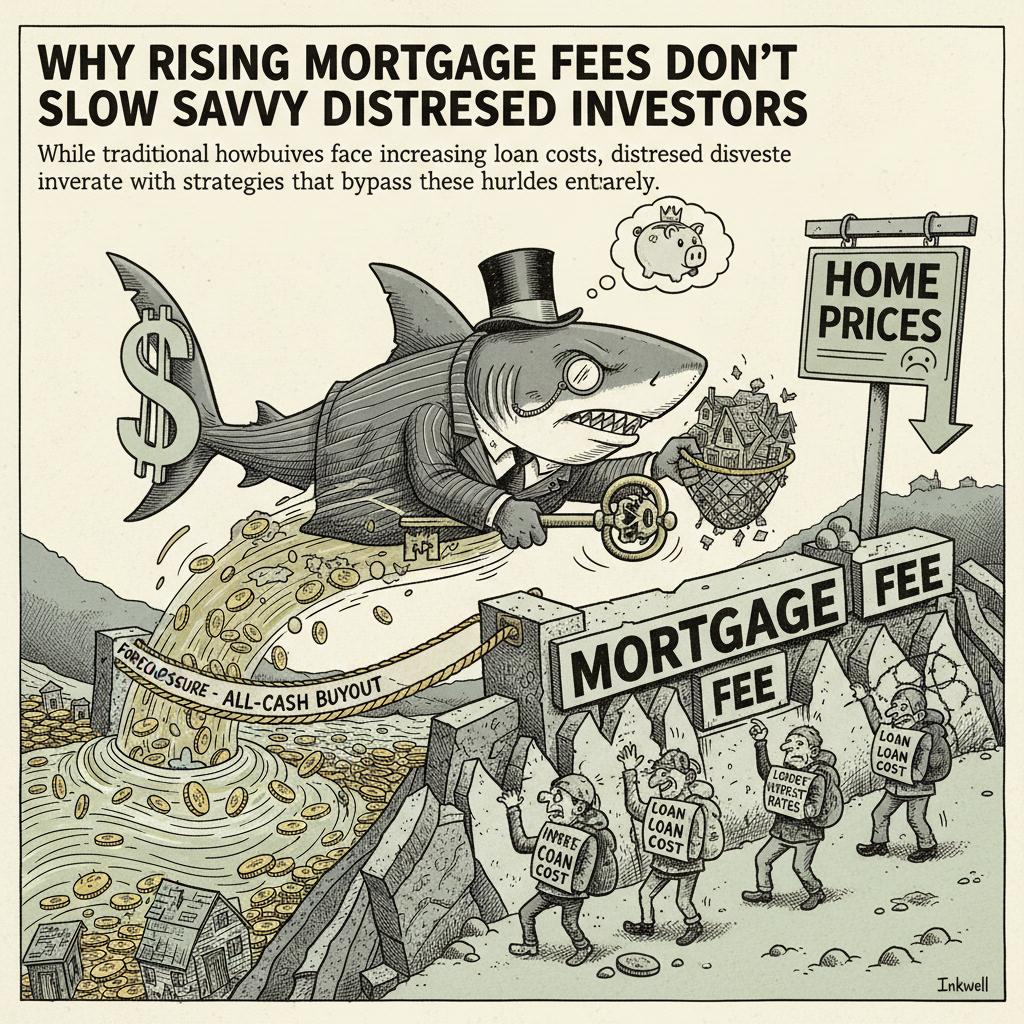
When the broader market tightens, and traditional listings become more competitive or less profitable for agents, the incentive to find off-market solutions grows. This is precisely where distressed properties shine. Properties in pre-foreclosure, tax default, or probate often bypass the traditional MLS entirely. They represent motivated sellers who prioritize a quick, discreet sale over maximizing top-dollar through a lengthy listing process. This creates a less competitive acquisition environment for investors.
Adam Wilder, a veteran investor with over 400 deals, notes, “When the general brokerage market feels ‘limitless’ in its uncertainty, that’s when our niche becomes limitless in its potential. We’re not competing on the MLS; we’re solving problems for homeowners before they ever get there.” This shift means investors can acquire properties at deeper discounts, increasing their profit margins whether they choose to flip, wholesale, or hold. The Wilder Blueprint’s Charlie 6 framework, for instance, allows investors to quickly assess the viability of these off-market deals, identifying properties with significant equity and motivated sellers.
As brokerage leaders grapple with profit compression, the distressed market offers a counter-cyclical advantage. It’s a segment driven by life events, not market sentiment alone, providing a consistent deal flow regardless of broader market fluctuations. Investors who master the art of sourcing and negotiating these off-market opportunities are building robust businesses, insulated from the uncertainties facing traditional real estate. It’s about being proactive in a market that rewards problem-solving over passive listing waits.
This strategic pivot from traditional listings to distressed assets is a hallmark of resilient real estate investing. It's about understanding where the market is headed and positioning yourself to thrive in its less conventional corners. Learn how to navigate these opportunities with precision and confidence.