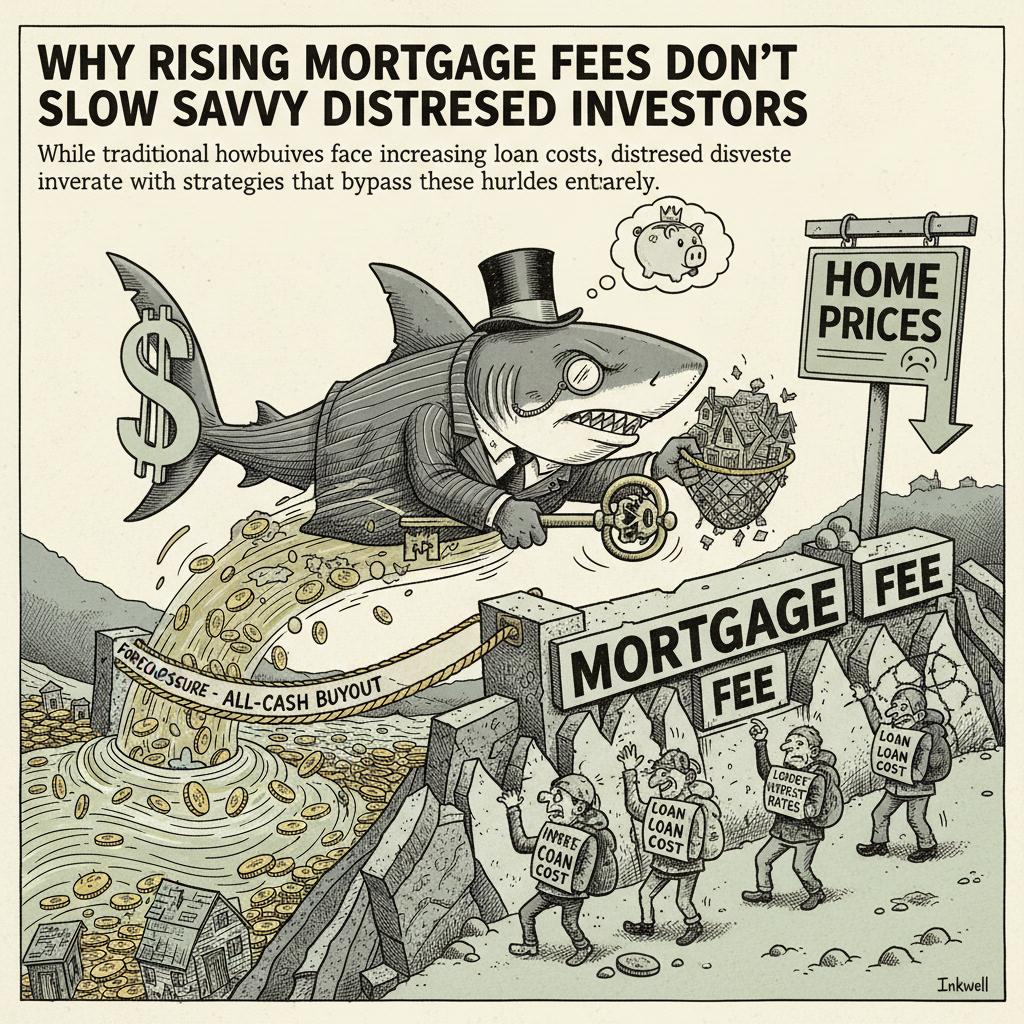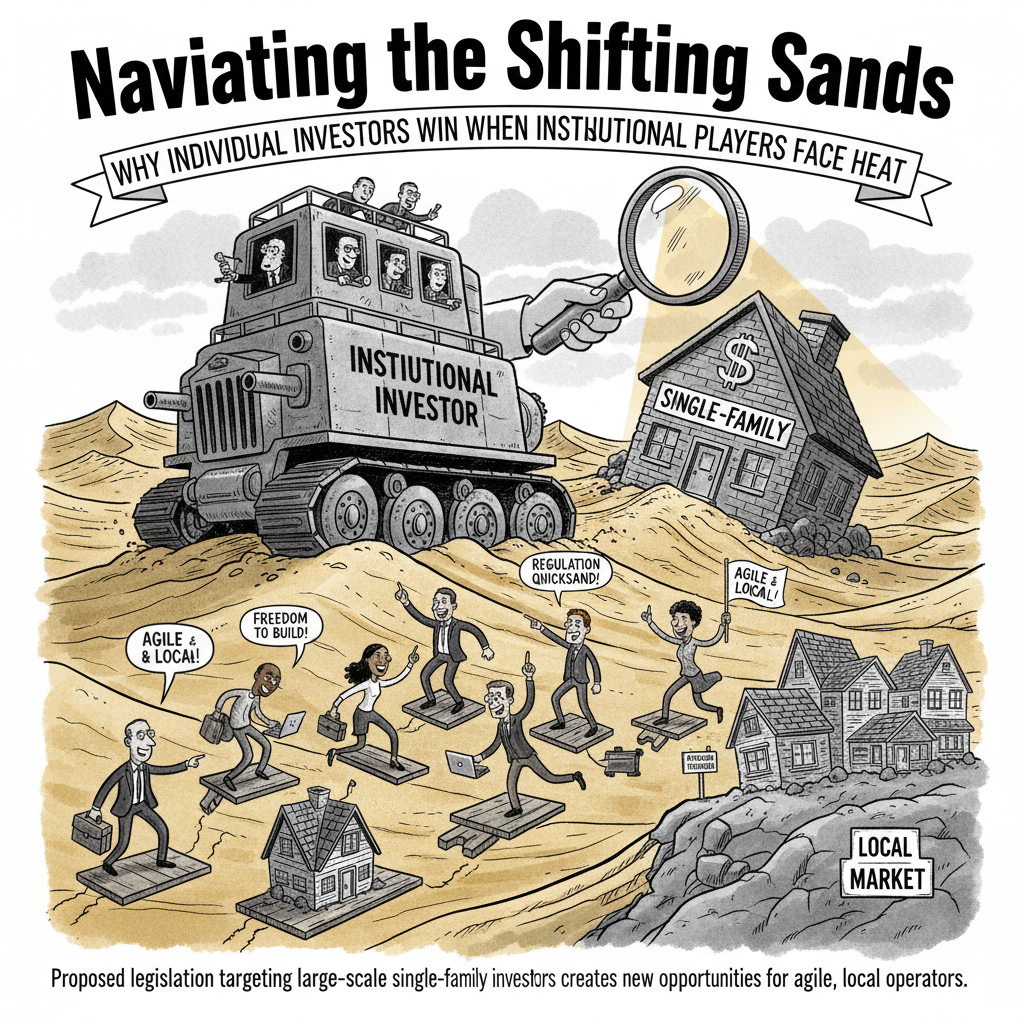
Predictions about 'top markets' for 2026 often focus on turnkey rental properties, promising passive income and stable cash flow. While these forecasts might guide some investors, they often overlook where the truly significant equity and cash flow gains are made: in the acquisition of distressed assets. Waiting for a market to be 'hot' for turnkey rentals means buying at or near retail, limiting your profit potential from day one.
Adam Wilder, founder of The Wilder Blueprint, emphasizes, "True wealth in real estate isn't found by following the crowd into 'hot' markets for turnkey. It's generated by solving problems for sellers and acquiring properties at a discount, creating equity on the buy." This strategy allows investors to control their ROI, rather than relying on general market appreciation or rental demand.
Instead of chasing specific cities for turnkey, successful distressed real estate operators focus on finding motivated sellers and properties with inherent value, often in their own backyard. This involves understanding local market dynamics, property condition, and seller circumstances. The Wilder Blueprint’s Charlie 6 framework, for instance, allows investors to quickly qualify a distressed deal based on these factors, regardless of broader market predictions.
While general market trends can inform strategy, the real leverage comes from the acquisition. Distressed properties, whether pre-foreclosure, auction, or REO, offer the opportunity to buy below market value, force appreciation through strategic renovations, or wholesale for quick profit. This approach consistently delivers higher ROI than simply purchasing a fully renovated, tenant-placed property at a premium in a 'top' market.