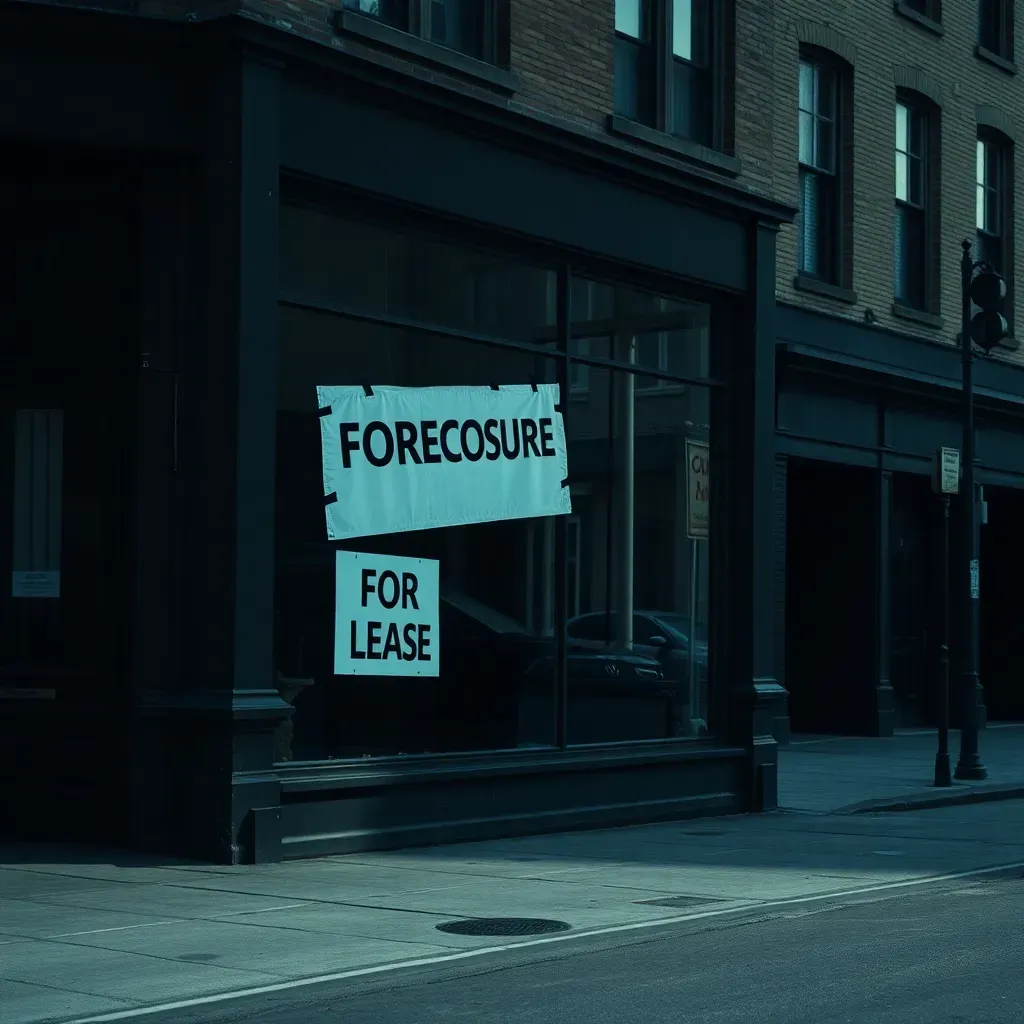
You see headlines like this one out of Surrey, Canada – a 24-story project, the Centra, facing foreclosure, owing $44 million – and it's easy to dismiss it as 'big developer problems.' But that's a mistake. This isn't just about one developer's misstep; it's a symptom of larger market dynamics that create opportunities, not just in commercial real estate, but across the board, down to the single-family homes you're looking to acquire.
Big projects fail for big reasons: overleveraging, shifts in market demand, rising interest rates, construction delays, or simply a misread of the local economy. When a project of this scale hits the wall, it sends ripples. Lenders become more cautious, capital tightens, and other developers might pause or pull back. This creates a vacuum, and in that vacuum, disciplined operators thrive. It's a clear signal that the market is recalibrating, and that means more distressed assets are coming online, from the multi-million dollar commercial giants to the residential properties you're targeting.
"The market always corrects," says Sarah Jenkins, a seasoned real estate analyst. "What looks like a crisis for some is simply the market re-pricing assets to their true value. For those with capital and a clear strategy, these are the times to acquire."
While you might not be buying a 24-story tower, the principles at play are identical to the pre-foreclosures you're pursuing. The lender wants out. The owner is under pressure. There's a discount to be had if you know how to structure the deal and navigate the process. The sheer scale of a $44 million commercial foreclosure means a bank is going to be aggressive in recovering its capital, and that pressure trickles down. It sets a precedent for how other distressed assets will be handled.
This isn't about chasing commercial deals if your focus is residential. It's about understanding the macro environment. When large-scale projects face distress, it often indicates a broader softening of the market or an increase in lender caution. This translates directly to more residential pre-foreclosures, more motivated sellers, and more opportunities to acquire assets below market value. The banks that are taking a hit on a $44 million commercial loan are the same banks holding mortgages on single-family homes. Their appetite for risk changes, and their willingness to negotiate on distressed residential properties increases.
Your job as an operator is to be ready for this shift. That means having your systems in place: your lead generation, your qualification process, and your resolution paths. The Charlie 6, for example, isn't just for residential; its core principles of understanding the seller's situation, the property's condition, and the market's dynamics apply universally. You need to identify the pain points, whether it's a developer facing bankruptcy or a homeowner facing job loss, and offer a clear, structured solution.
"Don't get distracted by the size of the deal," advises Mark Thompson, a long-time distressed asset investor. "Focus on the underlying mechanics. Distress is distress, whether it's a single-family home or a skyscraper. The bank wants its money, the owner wants relief. Your job is to be the solution."
The key takeaway here is not to be intimidated by the scale of these commercial failures, but to recognize them as indicators. They signal a market ripe with opportunity for those who are prepared and disciplined. While others are reading the headlines with dread, you should be reading them as a call to action, sharpening your tools and preparing for the influx of distressed inventory that will inevitably follow.
See the full system at [The Wilder Blueprint](https://wilderblueprint.com/get-the-blueprint/).