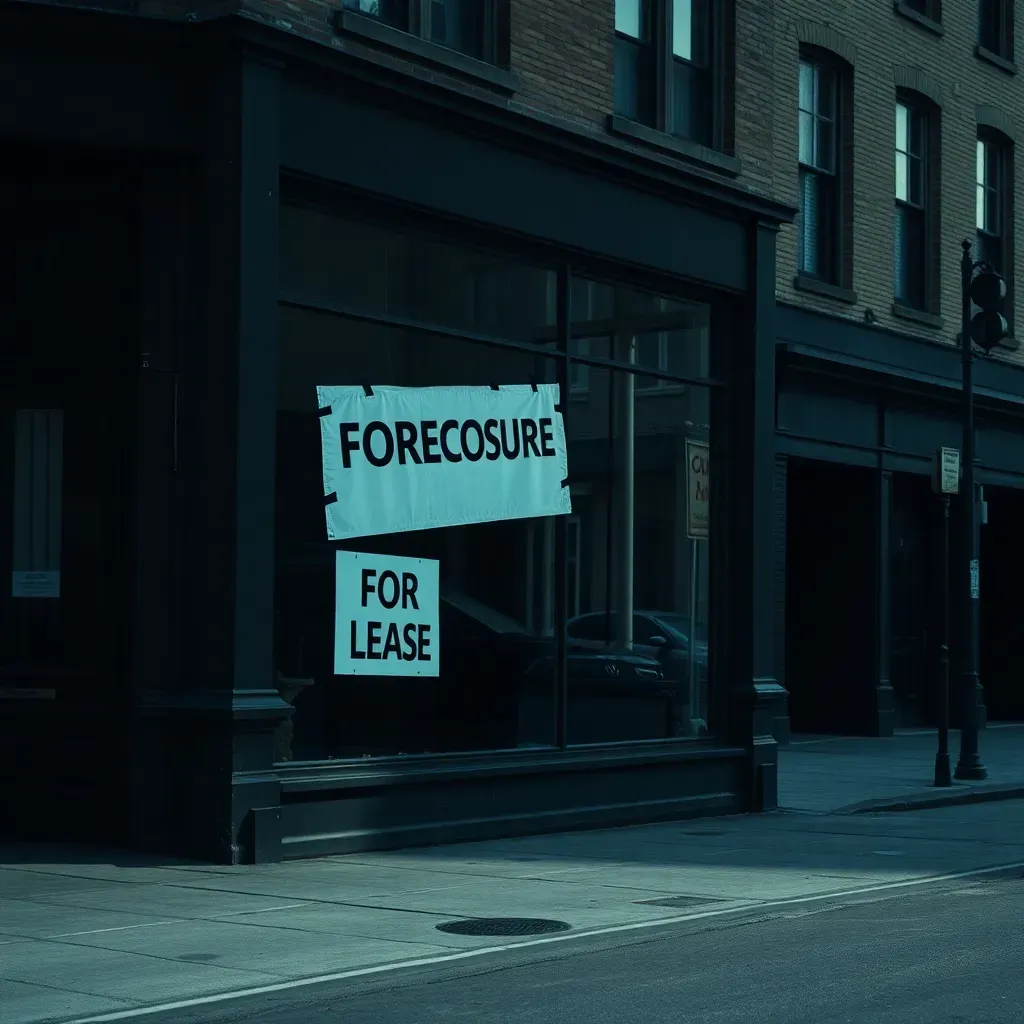
The news cycle often brings stories that, at first glance, seem like local drama. A recent headline out of Dubuque County, for instance, reported a local candidate facing home foreclosure after the closure of his business. On the surface, it’s a personal tragedy, a story of economic hardship. But for those of us who operate in the distressed real estate space, it’s a stark reminder of a fundamental truth: business failure is a primary driver of personal financial distress, and often, pre-foreclosure.
This isn't just about one individual; it's a pattern repeated across every town and city. Small businesses are the backbone of our economy, but they’re also incredibly vulnerable. When a business goes under, the owner's personal assets are frequently on the line, especially if they've used their home as collateral or if their personal income was directly tied to the business's success. This creates a specific type of pre-foreclosure scenario – one driven by a sudden, often unexpected, loss of income, rather than just poor budgeting or medical debt.
For the disciplined operator, these situations are not about preying on misfortune. They are about recognizing a specific problem and offering a structured solution. When a business owner loses their livelihood and then faces losing their home, they are often overwhelmed, embarrassed, and desperate for a way out. They need someone who can cut through the noise, understand the core issue, and present viable options without judgment.
"We see this cycle constantly," notes Sarah Chen, a veteran real estate analyst specializing in economic impact. "Business owners pour their lives into their ventures, often blurring the lines between personal and business finances. When the business collapses, the personal fallout is immediate and severe, making their homes prime candidates for pre-foreclosure." This isn't a moral failing; it's an economic reality that creates a specific type of distressed seller.
Your job as an operator is to be the calm in their storm. This means understanding the underlying cause of their distress. Is it a business closure? A failed investment? A partnership dispute? The root cause will often dictate the homeowner's emotional state and their priorities. A business owner who just lost their company might be more focused on a quick, clean exit to preserve what little capital they have left, rather than maximizing every last dollar from their home sale. They may be more open to creative solutions like a quick cash offer, a subject-to deal, or even a short sale if equity is gone.
When you encounter these situations, your approach must be grounded in empathy and structure. Don't lead with a lowball offer. Lead with questions: "What's the biggest challenge you're facing right now? What does a good outcome look like for you?" The goal isn't to talk them into anything; it's to diagnose their situation and present a resolution path that genuinely helps them move forward. This is where your ability to offer The Five Solutions – from a quick cash purchase to helping them navigate a short sale – becomes critical.
"The key is to listen more than you talk," advises Mark Jensen, a seasoned investor with two decades in the field. "These sellers aren't just selling a house; they're closing a chapter, often a painful one. Your value comes from being a problem-solver, not just a buyer." This means having your systems in place, understanding the local foreclosure timelines, and being able to quickly assess the property's potential and the seller's needs. The Charlie 6, for example, allows you to qualify a deal rapidly, giving you the confidence to speak clearly and decisively.
This business rewards operators who understand the human element behind the numbers. When you see a news story like the one from Dubuque, don't just see a headline; see a pattern, a need, and an opportunity to apply structured solutions to real-world problems. That’s how you build a sustainable business and make a real impact.
Start with the foundations at [The Wilder Blueprint](https://wilderblueprint.com/foundations-registration/) — the entry point for serious distressed property operators.