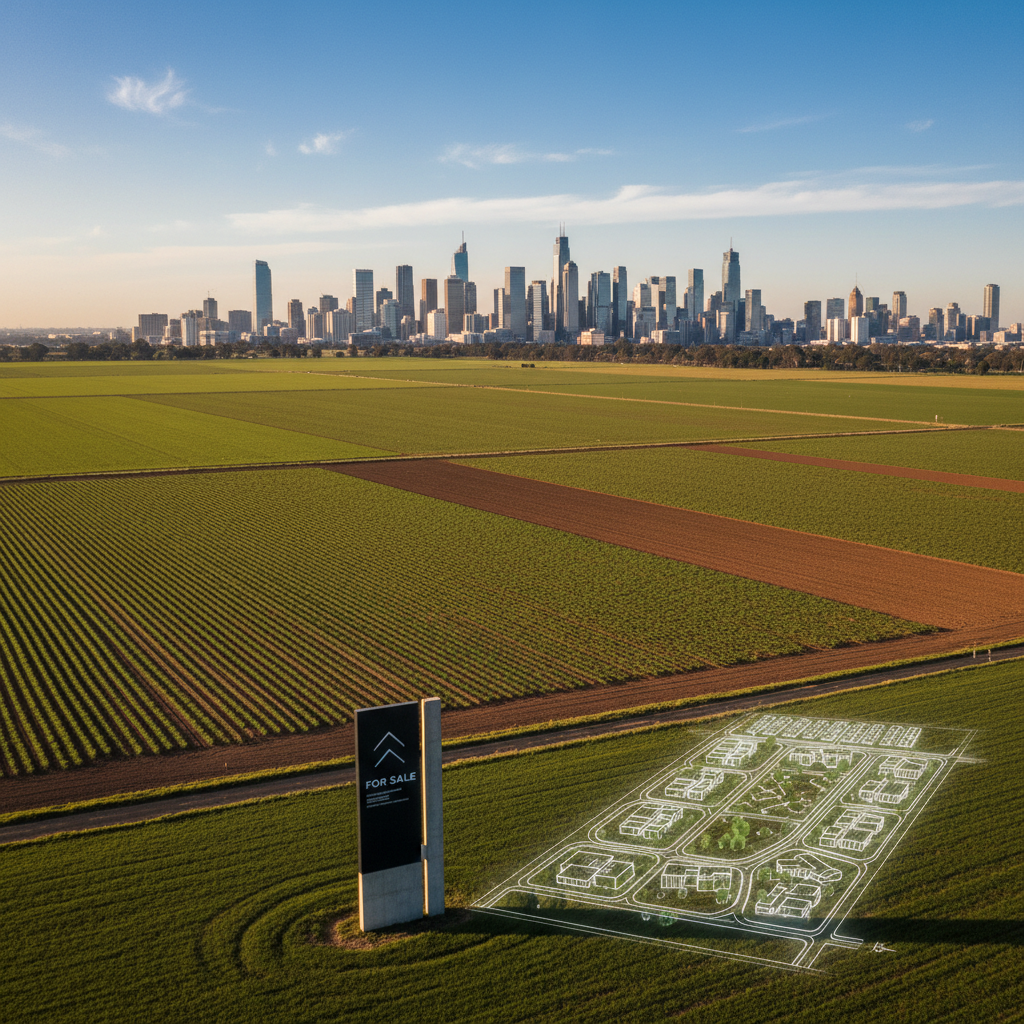
While many investors chase residential or commercial properties, a powerful, often overlooked niche exists in raw land. The idea of building a real estate 'empire' from a mobile setup, like a Sprinter van, isn't just a romantic notion; it highlights the core advantage of land investing: its inherent flexibility and minimal operational overhead.
Unlike houses or commercial buildings, raw land doesn't require tenants, repairs, or complex property management. This drastically reduces the time commitment and physical presence needed, making it an ideal strategy for those seeking geographic freedom or a business that can be run remotely. The focus shifts from physical maintenance to market analysis, due diligence, and strategic acquisition and disposition.
Profitability in land investing often stems from identifying undervalued parcels, understanding local zoning and development potential, and then marketing effectively to the right buyers. This can involve buying tax-delinquent land, parcels with title issues, or simply properties overlooked by larger developers. The Wilder Blueprint’s approach to distressed assets, while typically applied to foreclosures, shares a foundational principle: finding value where others don’t and creating solutions for motivated sellers.
Many successful land investors operate with lean teams, leveraging virtual assistants for research, marketing, and administrative tasks. This allows for scalability without the traditional brick-and-mortar infrastructure. The capital requirements can also be significantly lower than other real estate asset classes, making it accessible to a broader range of investors. It’s a strategic alternative for those looking to build substantial wealth without being tied to a fixed location or a demanding operational schedule.
Adam Wilder’s frameworks, like the 'Three Buckets' (Keep, Exit, Walk), apply equally well to land deals, helping investors quickly determine the best path for each acquisition. This systematic approach is critical for scaling any real estate venture, including a land portfolio.
This low-touch, high-leverage model offers a compelling path for investors to generate significant returns and build a robust portfolio from anywhere.