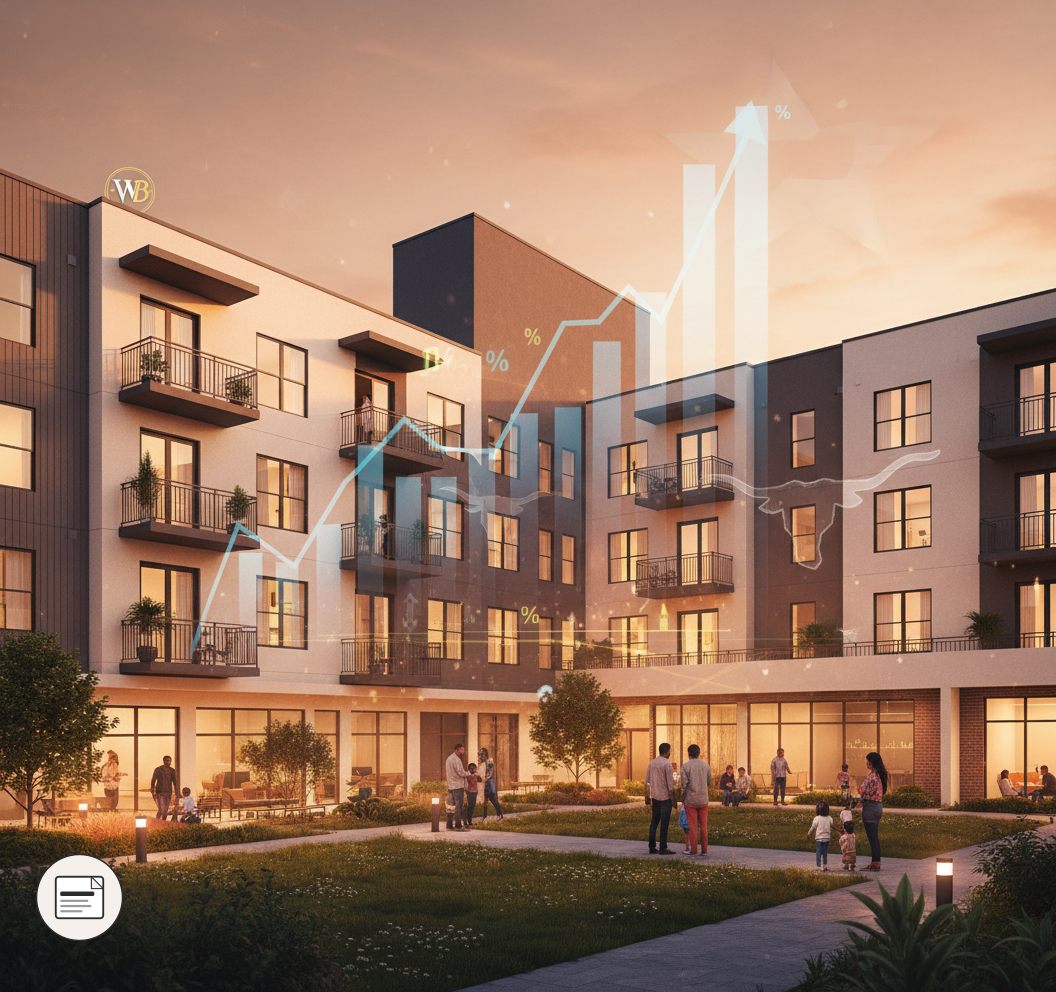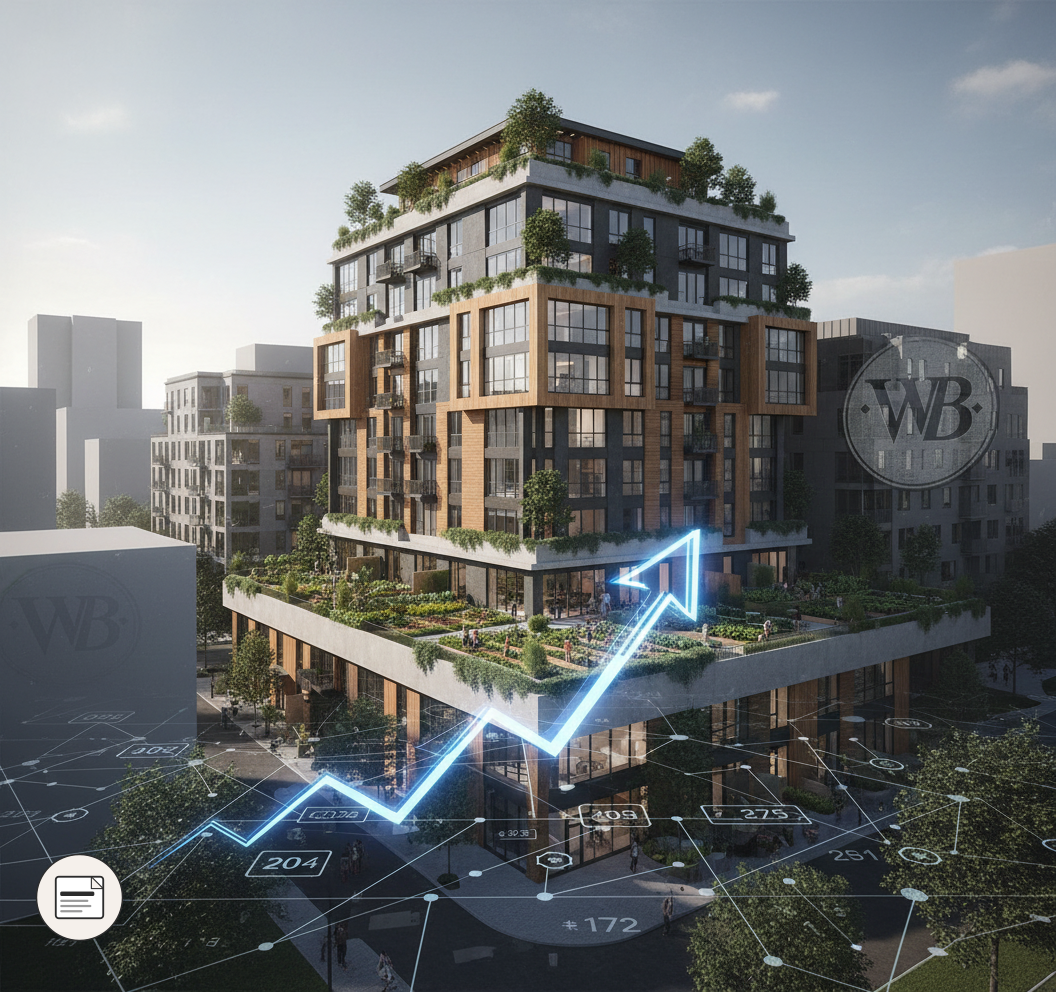
Orlando is rapidly diversifying its economic landscape beyond tourism, with the tech sector emerging as a significant growth engine. Recent initiatives, such as local nonprofits providing free tech training to students, underscore a strategic push to cultivate a skilled workforce. For real estate investors, this isn't just a feel-good story; it's a clear signal of sustained economic expansion and, consequently, robust real estate demand.
As a seasoned investor who has navigated multiple market cycles, I've learned to connect seemingly disparate economic trends to real estate opportunities. A strong, growing job market, particularly in high-wage sectors like tech, translates directly into increased demand for housing – both rental and for-sale – and commercial spaces. Orlando’s commitment to workforce development in tech means more high-earning individuals entering the market, driving property values and rental income.
“We’re seeing a clear correlation between the influx of tech talent and a tightening rental market, especially in submarkets accessible to innovation hubs,” notes Sarah Jenkins, a principal at Meridian Investment Group, a firm specializing in Florida real estate. “This isn’t just about single-family homes; it’s about multi-family, mixed-use developments, and even strategically located commercial properties that cater to these new businesses and their employees.”
**Identifying Key Investment Zones**
Investors should be looking beyond the traditional tourist corridors. Areas with good connectivity to emerging tech parks, university research facilities, and downtown innovation districts are prime targets. Consider neighborhoods with existing infrastructure that can support an influx of new residents, or those undergoing revitalization driven by commercial tech expansion. A 3-bedroom, 2-bathroom single-family home near a tech hub, purchased at 70% of its ARV and renovated for a 15% cap rate, is a far more attractive prospect than a similar property in a stagnant market.
**The Rental Market Advantage**
New tech employees, often relocating, typically enter the rental market first. This sustained demand keeps vacancy rates low and supports upward pressure on rents. For investors focused on rental income, this means strong cash flow potential. Analyzing rent-to-value ratios and projected population growth in specific Orlando submarkets is crucial. We're seeing average rent increases of 8-12% year-over-year in certain Orlando zip codes directly impacted by tech sector growth, far outpacing the national average.
**Flipping and Development Opportunities**
Beyond rentals, the demand for updated housing creates opportunities for property flippers. Homes in desirable tech-adjacent neighborhoods that can be acquired through pre-foreclosure or foreclosure channels offer significant profit margins post-renovation. A property purchased at 60-65% of ARV, with a rehab budget of 15-20% of ARV, can yield a 20%+ ROI in this environment. Furthermore, as tech companies expand, the need for office space, co-working facilities, and even specialized industrial properties will grow, presenting opportunities for commercial investors and developers.
“The long-term play here isn't just about today’s tech boom, but the sustainable ecosystem Orlando is building,” states David Chen, a veteran real estate analyst with Horizon Analytics. “Investment in human capital via training programs creates a self-reinforcing cycle of economic growth, which is the bedrock of consistent real estate appreciation.”
**Actionable Insight:** Monitor Orlando's economic development reports and local news for announcements of new tech companies or expansions. Cross-reference these locations with property data to identify neighborhoods poised for growth. Focus on properties with strong rental yield potential or those that can be flipped to meet the demand for modern, move-in-ready homes for a professional workforce.
Understanding these underlying economic currents is what separates successful investors from the rest. To dive deeper into how to identify and capitalize on these types of market shifts, explore The Wilder Blueprint's advanced training programs.