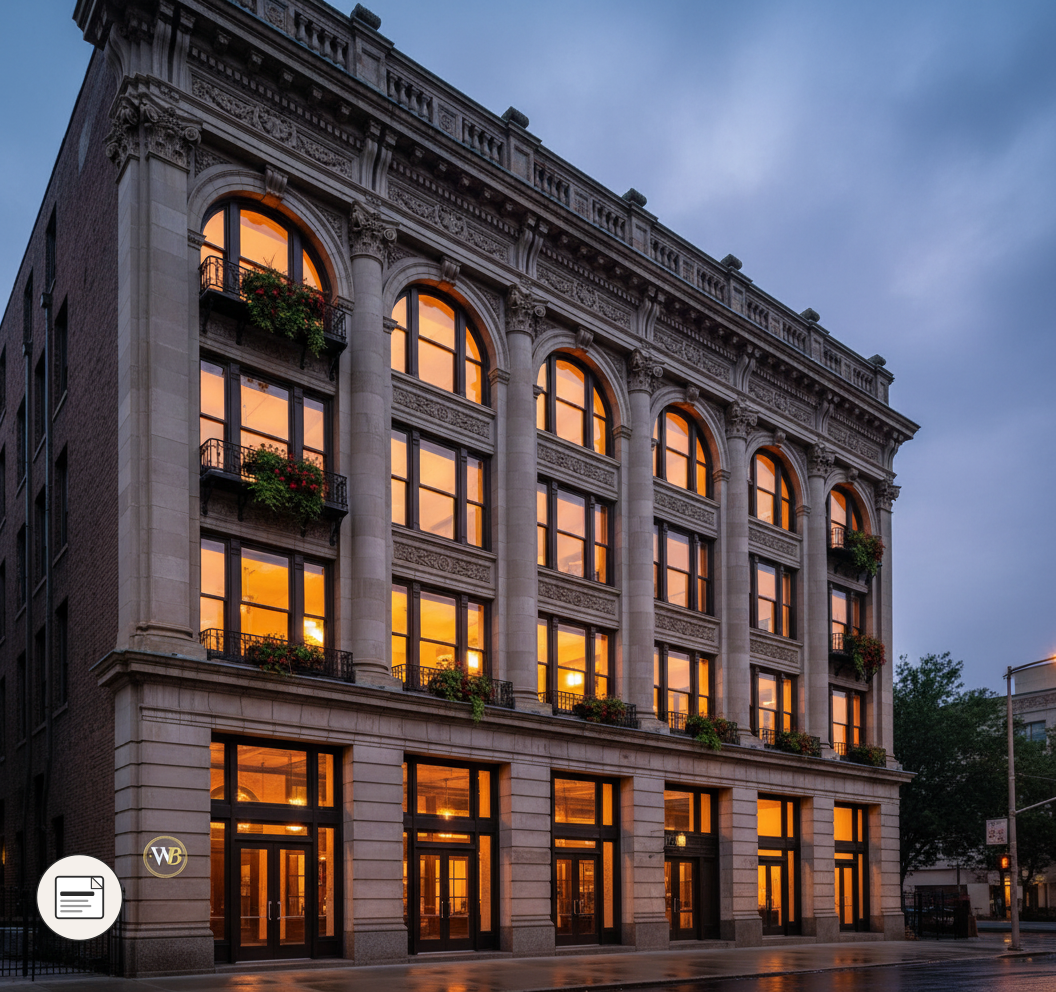
The recent news of a historic Albany building beginning its conversion into affordable housing isn't just a feel-good story; it's a potent signal for real estate investors. This trend of repurposing distressed or underutilized commercial assets into multifamily units, particularly affordable housing, is gaining significant traction and offers a compelling avenue for those with the foresight and expertise to navigate its complexities.
For seasoned investors, the allure is clear: acquire a property often below replacement cost, leverage historic tax credits and other incentives, and meet a critical market demand. We've seen this play out in various cycles, but the current environment, marked by rising interest rates impacting traditional commercial sectors and a persistent housing shortage, makes these conversions particularly attractive.
"The key isn't just finding an old building; it's identifying one with the right bones and a zoning overlay that allows for residential conversion, or the political will to make it happen," explains Marcus Thorne, a veteran real estate developer with over 30 years in urban revitalization. "You're looking for properties with good structural integrity, high ceilings, and an accessible location. The initial acquisition might be a steal, but the real work, and the real value creation, comes in the execution of the conversion and navigating the regulatory landscape."
Consider the financial mechanics. A typical commercial property, perhaps an old office building with 30% vacancy, might trade at a cap rate reflecting its current income, or even lower if the seller is motivated. An investor with a vision for multifamily conversion isn't buying current NOI; they're buying potential ARV based on a per-unit valuation. If a 50,000 sq ft office building acquired for $2.5 million can be converted into 50 affordable housing units, each valued at $150,000 post-conversion (after $50,000/unit in renovation costs), the potential equity upside is substantial. This doesn't even factor in the potential for Low-Income Housing Tax Credits (LIHTC) or state historic preservation tax credits, which can significantly reduce the equity required and boost investor returns, often generating 9-12% IRR on the equity portion.
However, this isn't a strategy for the faint of heart. Due diligence must be exhaustive. Environmental assessments, structural engineering reports, and a deep dive into local zoning ordinances are paramount. Construction costs for commercial-to-residential conversions can often exceed new construction due to unforeseen structural issues, hazardous material abatement, and adapting existing infrastructure. "We always factor in a 15-20% contingency for historic conversions," advises Dr. Evelyn Reed, a real estate economist specializing in urban development. "Permitting timelines can be extended, and the cost of specialized labor for historic preservation can impact your pro forma. But when executed correctly, the long-term cash flow and appreciation for affordable multifamily are incredibly robust."
For investors looking to capitalize on this trend, focus on properties in Opportunity Zones or areas with strong municipal support for affordable housing initiatives. Understand the nuances of LIHTC applications and local housing authority requirements. These conversions offer a powerful blend of social impact and significant financial returns, but success hinges on meticulous planning, robust financial modeling, and a deep understanding of both construction and public-private partnership dynamics.
Ready to dive deeper into advanced real estate strategies that leverage market trends and distressed assets? The Wilder Blueprint offers comprehensive training on identifying, analyzing, and executing complex deals, including commercial conversions and foreclosure opportunities. Learn how to turn challenges into profitable ventures.