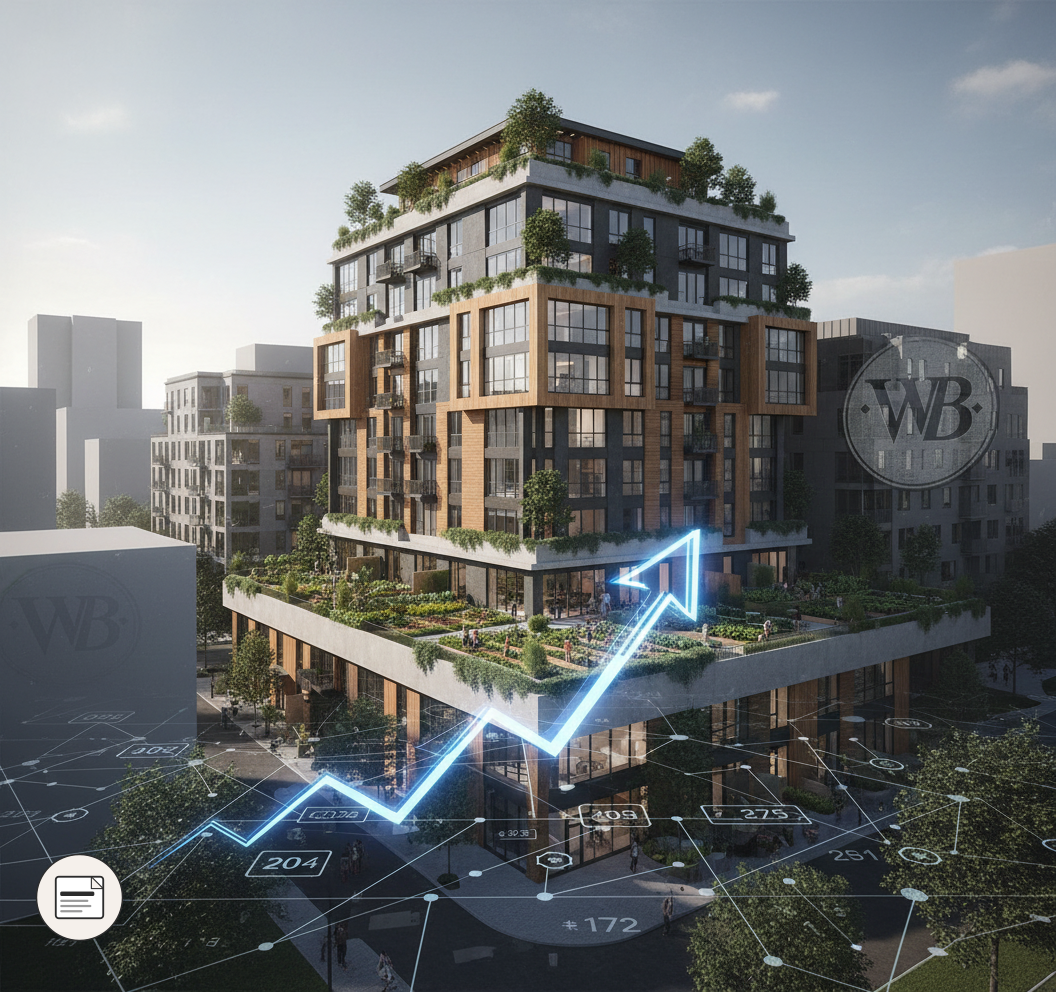
The real estate landscape is constantly evolving, presenting both opportunities and complex challenges for investors. A recent development in Half Moon Bay, California, regarding the 555 Kelly Street project, highlights the intricate dance between community needs, regulatory processes, and the potential for long-term investment. While this specific project focuses on affordable senior farmworker housing, its slow, deliberate progress offers valuable insights for investors considering any community-centric or government-backed real estate ventures.
**The Half Moon Bay Case Study: A Glimpse into Project Timelines**
The 555 Kelly Street project, intended to provide 40 units of affordable housing for senior farmworkers, has been in development for several years. Initial approvals date back to 2019, with the city council recently moving to finalize legal agreements. This multi-year timeline, while not uncommon for large-scale, publicly supported projects, underscores a critical factor for investors: patience and a deep understanding of the regulatory environment.
For investors accustomed to the faster pace of single-family flips or even smaller multi-family acquisitions, these extended timelines can be a significant hurdle. However, they also represent a barrier to entry that can lead to more stable, long-term returns once projects are completed and operational. The key is accurately forecasting holding costs, potential revenue streams, and exit strategies over a protracted development period.
**Investor Takeaways: Due Diligence Beyond the Pro Forma**
1. **Regulatory Deep Dive:** Before committing capital to projects involving public subsidies, zoning changes, or community benefits, investors must conduct exhaustive due diligence on local planning departments, housing authorities, and city councils. Understanding the political climate, community sentiment, and the specific requirements for affordable housing designations (e.g., income restrictions, rent caps, long-term affordability covenants) is paramount. These factors directly impact your potential NOI and ARV.
2. **Financing Complexities:** Affordable housing projects often involve layered financing, including low-income housing tax credits (LIHTC), municipal bonds, grants, and conventional debt. Navigating these structures requires specialized knowledge or a strong partnership with experienced developers and financial advisors. The LTV ratios and debt service coverage requirements can differ significantly from market-rate projects.
3. **Market Impact and Opportunity:** While direct investment in these non-profit-led affordable housing projects might not always align with typical investor profiles, their existence impacts the broader market. A new affordable housing complex can alleviate pressure on the rental market, potentially stabilizing rents in certain sub-markets or freeing up other housing stock. Savvy investors can identify ancillary opportunities, such as commercial spaces serving the new residents or properties in adjacent neighborhoods that may see increased demand.
"The slow burn of affordable housing projects is often a feature, not a bug," notes Sarah Chen, a veteran real estate analyst specializing in urban development. "Investors need to factor in these extended timelines and the political capital required. The payoff, however, can be stable, government-backed income streams and significant community goodwill, which translates to long-term asset protection."
**The Human Element and Business Reality**
It's crucial to acknowledge the human dimension of affordable housing. These projects address genuine community needs, providing essential shelter for vulnerable populations. While investors operate within a business framework, understanding the social impact can inform investment decisions, particularly for those looking to diversify into impact investing or ESG-compliant portfolios.
"Forecasting the long-term viability of these projects requires more than just spreadsheets; it demands an understanding of the community's needs and the political will to see them through," advises Mark Jensen, a multi-family investor with 20+ years in the Bay Area market. "The 555 Kelly project, despite its delays, is a testament to persistent community effort, and that persistence is a key indicator for investors looking at similar ventures."
For investors, the Half Moon Bay situation is a reminder that large-scale development, especially when tied to community needs and public funding, operates on a different clock. Incorporating this reality into your deal analysis and strategic planning is essential for success in these nuanced market segments.
---
*Ready to deepen your understanding of complex real estate markets and uncover hidden opportunities? The Wilder Blueprint offers advanced training and resources for investors looking to master due diligence, navigate regulatory landscapes, and build profitable portfolios across diverse property types.*