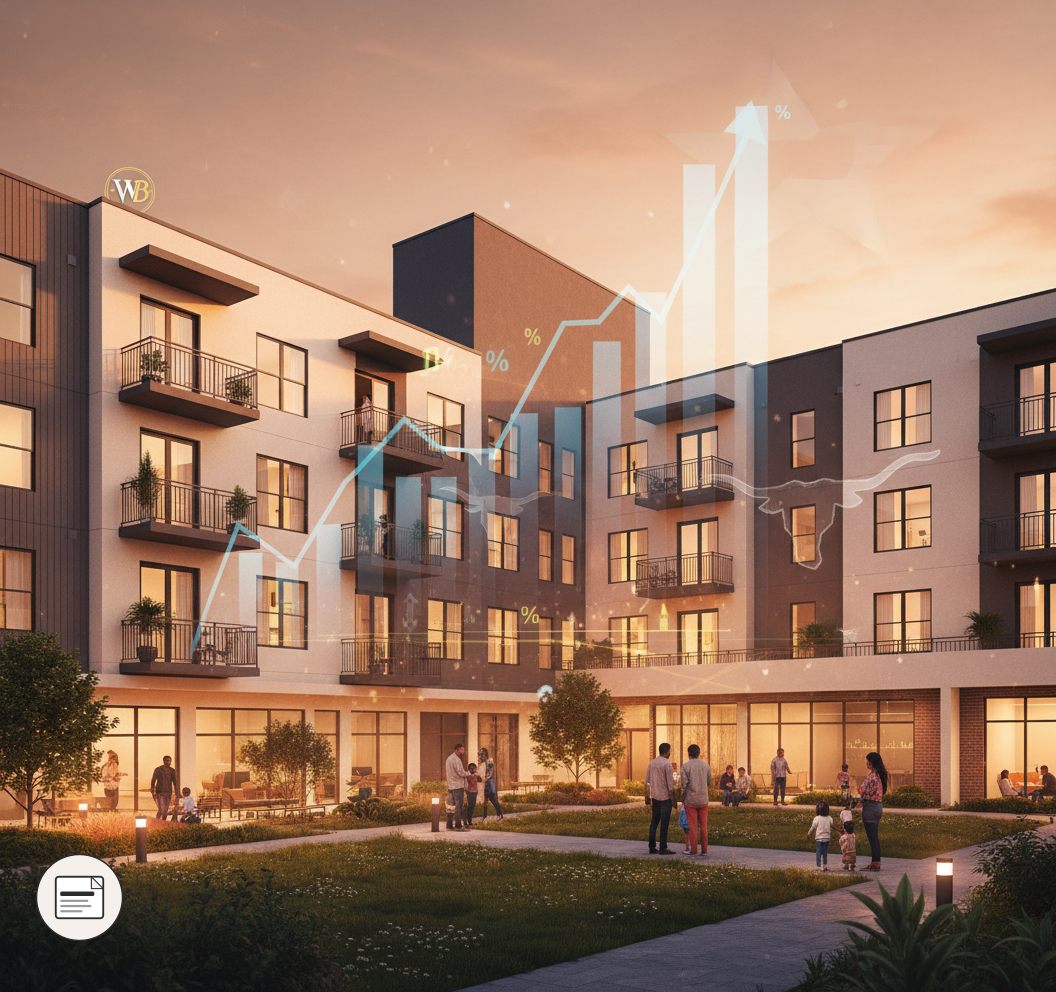
The real estate market continues its dynamic dance, and for seasoned investors, understanding the rhythm of foreclosures is paramount. While the dramatic spikes seen during the 2008 crisis are unlikely to repeat, the current economic climate — marked by persistent inflation, higher interest rates, and a cooling job market in some sectors — is steadily increasing foreclosure activity, creating targeted opportunities for those prepared to act.
Recent data from ATTOM shows a year-over-year increase in foreclosure filings, signaling a return to pre-pandemic levels. This isn't a market in freefall, but rather a recalibration that brings distressed assets back into play. For investors, this means a wider pool of potential deals, particularly in the pre-foreclosure and short sale categories where homeowners are often motivated to avoid public auction and its associated credit damage.
**Identifying Prime Pre-Foreclosure Opportunities**
The pre-foreclosure phase remains the sweet spot for many investors. Homeowners facing default often have significant equity, making a short sale or a direct purchase a win-win. Our analysis of recent trustee sale schedules indicates that properties entering the Notice of Default (NOD) stage are often those purchased or refinanced during the low-interest rate environment of 2020-2022, now struggling with increased living costs or adjustable-rate mortgage resets. Identifying these homeowners early, before the Notice of Trustee Sale (NTS) is filed, allows for structured negotiations.
“The key to pre-foreclosures isn't just finding them, it’s understanding the homeowner’s underlying financial distress,” advises Clara Jensen, a veteran investor with over 30 years in distressed asset acquisition. “Are they behind on payments due to job loss, medical bills, or simply poor financial planning? Tailoring your offer to their specific need, whether it's a quick cash sale or help with relocation, can make all the difference.”
**The Nuances of Short Sales in a Higher Rate Environment**
Short sales, while more complex due to lender involvement, are also seeing a resurgence. With property values moderating in many markets, some homeowners who bought at peak prices might find themselves underwater or with insufficient equity to cover selling costs. Lenders, keen to avoid the lengthy and expensive foreclosure process, are often more amenable to approving short sales, especially if the property’s LTV (Loan-to-Value) ratio is unfavorable.
For investors, patience and meticulous due diligence are critical here. Expect a longer closing timeline, typically 60-120 days, and be prepared for potential counter-offers from the lender. A solid understanding of BPO (Broker Price Opinion) values and a clear exit strategy (e.g., flip for 20% ARV profit, or hold as a rental with a 10% cash-on-cash return) are non-negotiable.
**Market Trends and Strategic Positioning**
Geographically, we’re seeing increased foreclosure activity in markets that experienced rapid appreciation post-pandemic and are now cooling, such as parts of Florida, Texas, and certain Sun Belt states. These areas often present higher inventory and more motivated sellers. Conversely, historically stable markets with strong job growth may see fewer distressed properties, but when they do appear, competition is fierce.
“Don't chase every foreclosure lead; chase the ones that fit your investment criteria and offer a clear path to profit,” states Marcus Thorne, a real estate economist specializing in distressed assets. “Analyze local job reports, inventory levels, and median income trends. A 10% discount on a property in a declining market is often riskier than a 5% discount in a stable, growing one.”
In this evolving landscape, the ability to quickly analyze deals, understand legal timelines, and negotiate effectively is what separates successful investors from the rest. The opportunities are there, but they demand precision and expertise.
---
Ready to sharpen your skills and capitalize on today's market dynamics? The Wilder Blueprint offers advanced training and resources designed to equip you with the strategies and insights needed to excel in foreclosure and distressed asset investing.