The recent news out of Austin, where city council members are weighing the conversion of the old Rosedale school into housing, isn't just a local story—it's a bellwether for a powerful investment strategy: adaptive reuse. As seasoned investors, we recognize this as a prime example of how to unlock substantial value by reimagining existing structures, particularly in markets facing housing shortages and rising land costs.
Adaptive reuse, specifically commercial-to-residential conversion, has become an increasingly attractive play. The fundamental economics are compelling: you're acquiring a structure, often at a discount relative to new construction land and vertical costs, and repurposing it for a use with higher market demand. In Austin, a city grappling with explosive population growth and a critical housing deficit, converting a disused school into residential units makes profound economic and social sense.
Consider the typical challenges of new construction: escalating material costs (up 20-30% in some categories over the last two years), labor shortages, and protracted permitting processes. Adaptive reuse often mitigates some of these. While historic preservation or environmental assessments can add complexity, the existing footprint, utilities, and often robust construction of older buildings provide a solid foundation. For a project like Rosedale, a 30,000-50,000 square foot school building could potentially yield 30-50 residential units, depending on unit mix and local zoning, at a significantly lower per-unit cost than ground-up development.
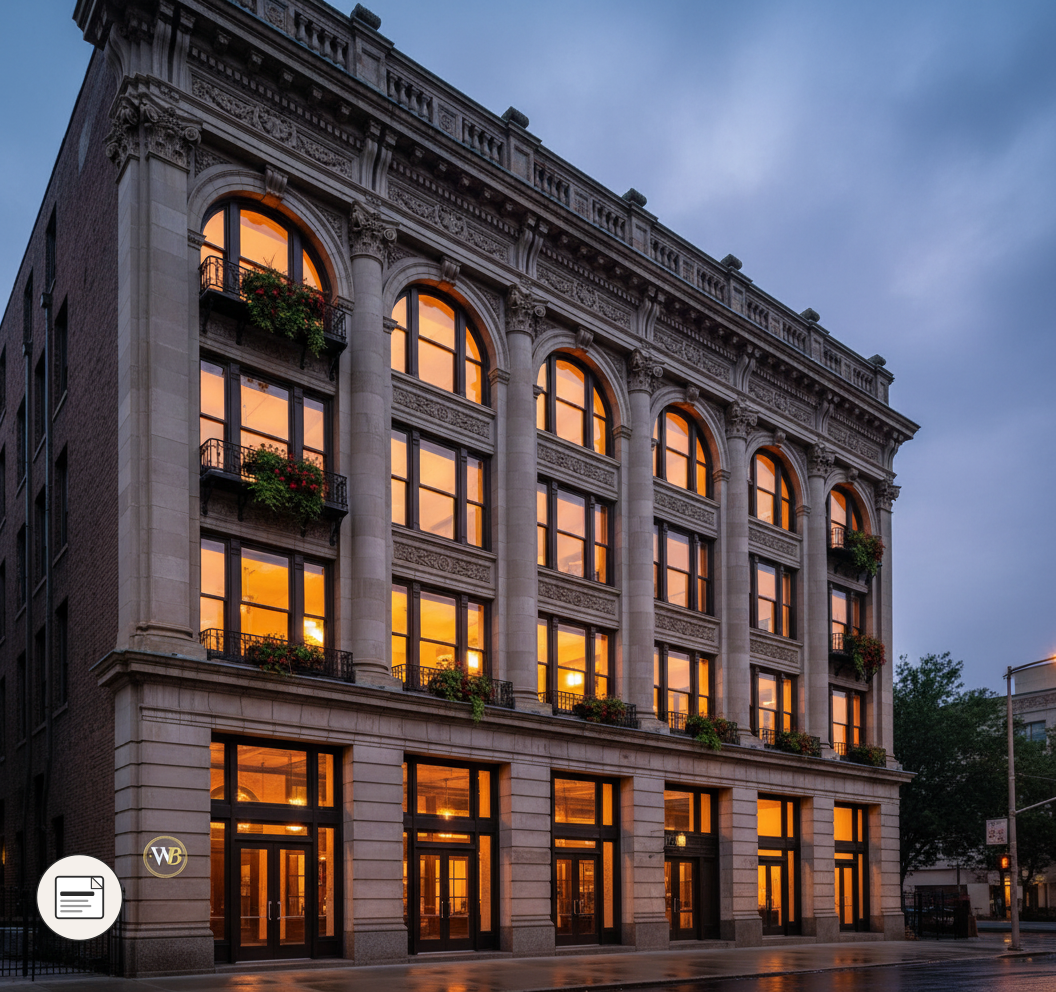
"The 'bones' of these older institutional buildings are often superior to modern construction, offering durability and character that appeals to tenants," notes Sarah Chen, a veteran developer specializing in historic conversions. "The key is thorough due diligence on structural integrity, environmental hazards like asbestos, and, critically, understanding the local zoning and permitting landscape for change of use."
From an investment perspective, the metrics can be highly favorable. While acquisition costs for a property like the Rosedale school might range from $5 million to $10 million (depending on land value and condition), the post-conversion ARV (After Repair Value) could easily hit $20 million to $30 million for a multi-family asset in a prime Austin location, assuming a conservative $300,000 to $500,000 per unit value. Renovation costs, while substantial, can often be offset by tax credits for historic preservation or energy efficiency upgrades, further boosting NOI (Net Operating Income) and cap rates.
However, this isn't a strategy for the faint of heart or the inexperienced. "These projects require a deep understanding of construction, zoning, and often, community engagement," advises Mark Jensen, a real estate analyst with 25 years in urban development. "The permitting process for a change of use, especially from institutional to residential, can be lengthy and complex, sometimes adding 6-12 months to a project timeline. Factor that into your holding costs and pro forma."
For investors eyeing similar opportunities, here's the actionable takeaway: identify markets with strong housing demand and a surplus of underutilized commercial, industrial, or institutional properties. Look for buildings with flexible layouts, high ceilings, and solid construction. Engage with local planning departments early to understand zoning overlays and potential incentives. And always, always build in a robust contingency – 20-25% – for unforeseen issues.
The Rosedale school project is a microcosm of a larger trend. For those with the expertise and capital to navigate the complexities, adaptive reuse offers a powerful avenue for creating significant value and addressing critical housing needs. It’s a strategy that aligns profitability with purpose.
Ready to dive deeper into advanced real estate strategies like adaptive reuse and distressed asset acquisition? The Wilder Blueprint offers comprehensive training designed to equip you with the knowledge and tools to execute complex deals with confidence.