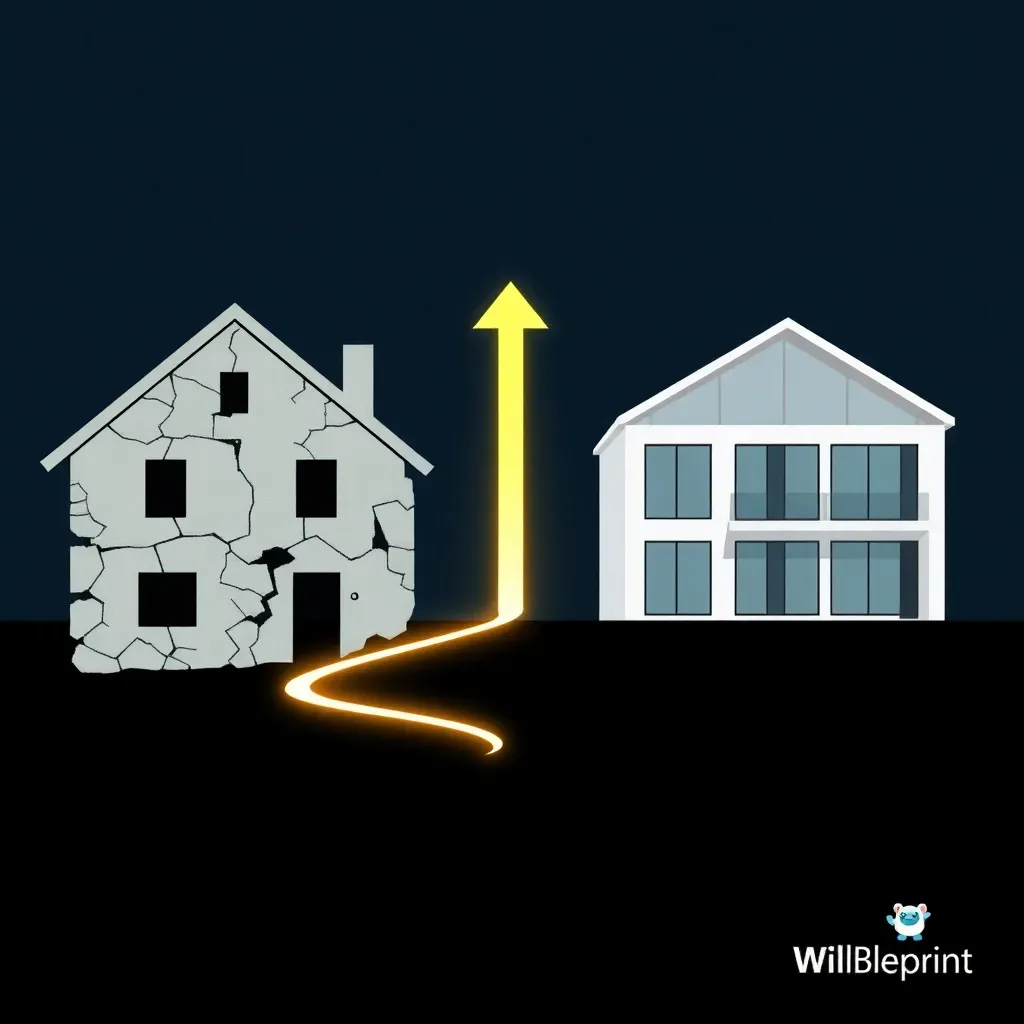
ATTOM's Q1 2026 U.S. Home Affordability Report recently highlighted the counties experiencing the largest annual increases in median home prices. For many, this news is simply a headline – a sign of a strong market, perhaps. But for the disciplined distressed property operator, it's a signal. It tells you where the underlying pressure points might be, and more importantly, where opportunity is ripening.
See, when median prices climb significantly in certain areas, it's not just about appreciation. It's about demand outstripping supply, about economic activity, and often, about a widening gap between what people can afford and what the market is asking. This creates a specific kind of tension, and tension is where distressed deals are born. It’s where homeowners who might be struggling, despite a seemingly hot market, find themselves in a bind. They might have equity, but they also have problems – job loss, medical bills, divorce, or simply the inability to keep up with rising property taxes or maintenance in a high-value area.
### The Illusion of a Rising Tide
It’s easy to look at a market with surging prices and think all boats are rising. But that’s a superficial read. "A rising tide lifts all boats, but it also exposes the ones with holes," says Sarah Jenkins, a seasoned real estate analyst focusing on market cycles. "Counties with rapid appreciation often see an increase in homeowners who are house-rich but cash-poor, or those who bought at the peak and are now facing life events that make even a valuable asset a burden." These are the homeowners who need solutions, not just a quick sale on the open market that might take months and eat into their already tight margins.
Your job as a distressed operator isn't to chase the hottest market. It's to understand the *mechanics* of that market. Rapid price increases can mean a few things for your strategy:
1. **Increased Equity, Increased Options:** Homeowners in these areas likely have substantial equity. This means you have more room to structure creative solutions – whether it's a straight purchase, a subject-to deal, or even helping them sell on the retail market while solving their immediate problem. The Charlie 6 diagnostic system we use helps you quickly identify the homeowner's true situation and how much equity is available to work with.
2. **Higher Retail Values, Higher ARV:** If you're looking at flips, the After Repair Value (ARV) in these appreciating counties will be higher. This can absorb more renovation costs and still leave a healthy profit margin. The key is to source these deals off-market, before they hit the MLS, where you'll be competing against everyone else.
3. **Pressure on Affordability:** For every home that sells for top dollar, there are dozens of families struggling to enter the market or maintain their current homes. This pressure can lead to more foreclosures down the line, even in strong markets, as economic shocks hit individual households. This creates a consistent pipeline for those who know how to identify and engage with homeowners in pre-foreclosure.
### Beyond the Headline: Tactical Application
Don't just read the headlines about appreciating markets; use them. Identify these high-growth counties. Then, dig deeper. Look for sub-markets or neighborhoods within those counties that might have a higher concentration of older homes, or areas where property taxes have spiked, potentially creating financial strain for long-term residents. "Market reports like ATTOM's are a starting point, not the whole story," notes David Chen, a veteran investor specializing in market entry. "They point you to the battleground, but you still need boots on the ground to find the specific skirmishes where you can make a difference."
Your focus remains on the homeowner's problem, not just the property's value. In these high-value areas, the homeowner's problem might be less about negative equity and more about a time crunch, a desire for privacy, or the need for a quick, hassle-free transaction that avoids agent fees and market uncertainty. Your ability to offer a direct, empathetic, and structured solution is your competitive advantage.
Understanding market dynamics is critical, but it's only half the battle. The other half is knowing how to approach, qualify, and solve problems for distressed homeowners without sounding desperate, pushy, or like you just discovered YouTube. That's where structure, truth, and execution come into play.
The full deal qualification system is inside [The Wilder Blueprint Core](https://wilderblueprint.com/core-registration/) — six modules built for operators who are ready to move.