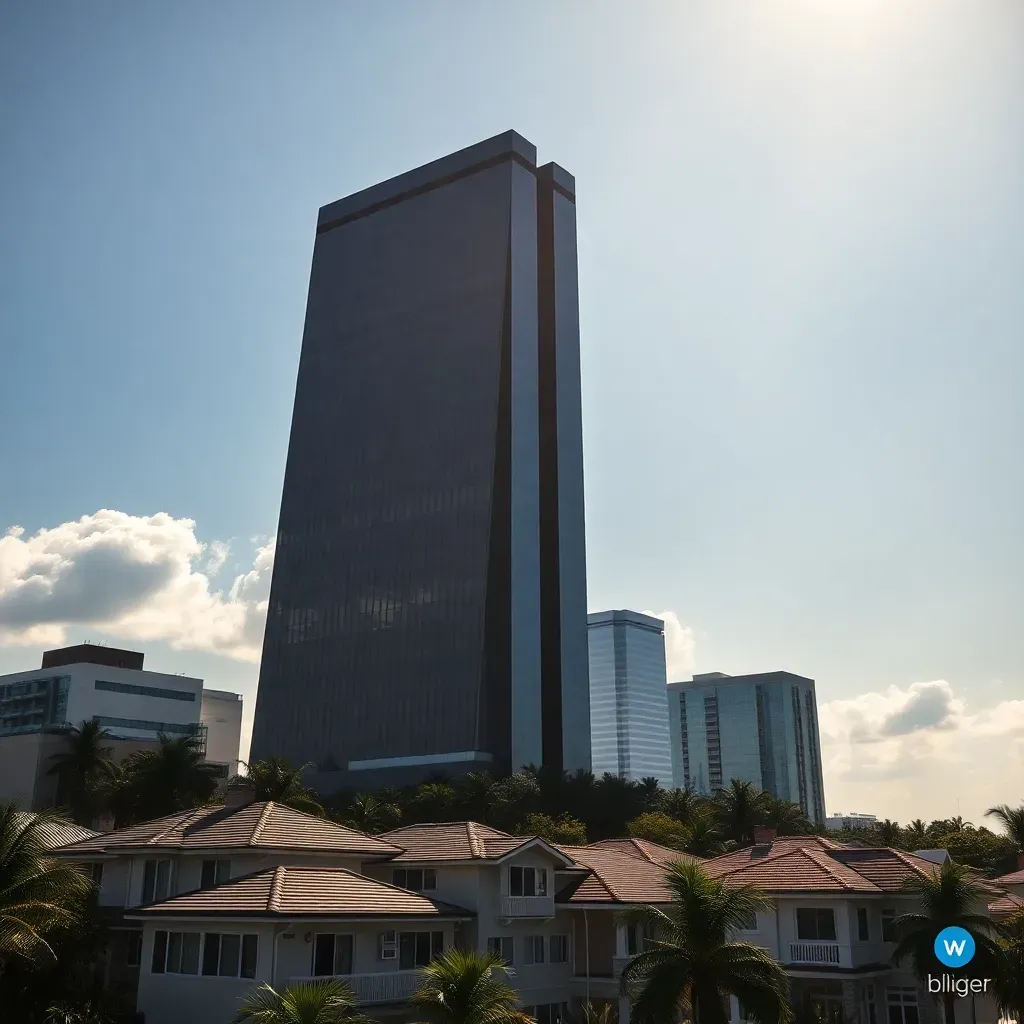
You see headlines like this one out of Florida – a developer suing a city because they’re denying water to a 3,250-unit project, citing a $157 million funding gap in their water infrastructure. On the surface, it’s a story about municipal mismanagement and a big developer getting caught in the crossfire. But if you’re paying attention, it’s much more than that. It’s a loud, clear signal about the underlying health of certain markets and the opportunities that emerge when systems fail.
This isn't just about one city's balance sheet. This is a recurring theme across the country: aging infrastructure, underfunded public works, and the inevitable clash between growth demands and municipal capacity. When a city can’t provide basic services like water to new developments, it’s a red flag. It means existing infrastructure is likely strained, and that strain can manifest in unexpected ways – from delayed permits to increased utility costs, and even, eventually, to properties that become less desirable or harder to develop.
For the distressed real estate operator, these situations are not just news; they are market intelligence. While large-scale developers are battling city hall over multi-million dollar projects, you should be looking at the ripple effects at the micro-level. When a city signals it can't support new growth, it often means they're struggling to maintain what they already have. This can lead to a slowdown in new construction, which in turn puts more pressure on existing housing stock. But it also means that properties in areas with failing infrastructure or uncertain future development might become distressed for reasons beyond a homeowner's financial woes.
Consider the implications: if a city is $157 million short on water infrastructure, what else are they short on? Roads? Schools? Public safety? These are all factors that impact property values and desirability. An operator who understands this can identify properties in areas where municipal services are declining or stagnant. These properties might not be pre-foreclosures yet, but they are on a path to distress. The homeowner might be facing rising utility bills, an inability to get permits for renovations, or a general decline in neighborhood quality that makes their property harder to sell at market value.
“We often focus on the homeowner’s financial situation, but external factors like municipal infrastructure are just as critical,” notes Sarah Chen, a seasoned real estate analyst. “A city’s inability to provide basic services can turn a perfectly sound property into a challenging asset overnight.”
Your job is to identify these systemic breakdowns and understand how they translate into opportunity. This isn't about exploiting a crisis; it's about providing solutions where others see only problems. A homeowner struggling to sell a property because the city won't approve a septic-to-sewer conversion, or because water pressure is consistently low, is a homeowner who might be motivated to sell to an operator who can navigate these complexities or buy the property as-is.
This requires a deeper level of due diligence. Beyond the standard Charlie 6 deal qualification, you need to be asking questions about local municipal health. What are the city’s capital improvement plans? Are there known infrastructure deficits? What is the permitting process like for renovations or utility upgrades? These are the details that separate a truly informed operator from someone just chasing headlines.
“The smart money isn’t just looking at the property; it’s looking at the municipality,” says Marcus Thorne, a veteran investor specializing in land development. “A city’s financial health and infrastructure capacity are as important as the foundation of the house itself.”
This Florida situation is a microcosm of a larger trend. Infrastructure is crumbling in many parts of the country, and the political will or financial capacity to fix it isn't always there. This creates a fertile ground for distressed real estate. Your ability to understand these macro-level issues and translate them into micro-level opportunities – properties where you can step in, solve problems, and create value – is what will set you apart.
Start with the foundations at [The Wilder Blueprint](https://wilderblueprint.com/foundations-registration/) — the entry point for serious distressed property operators.