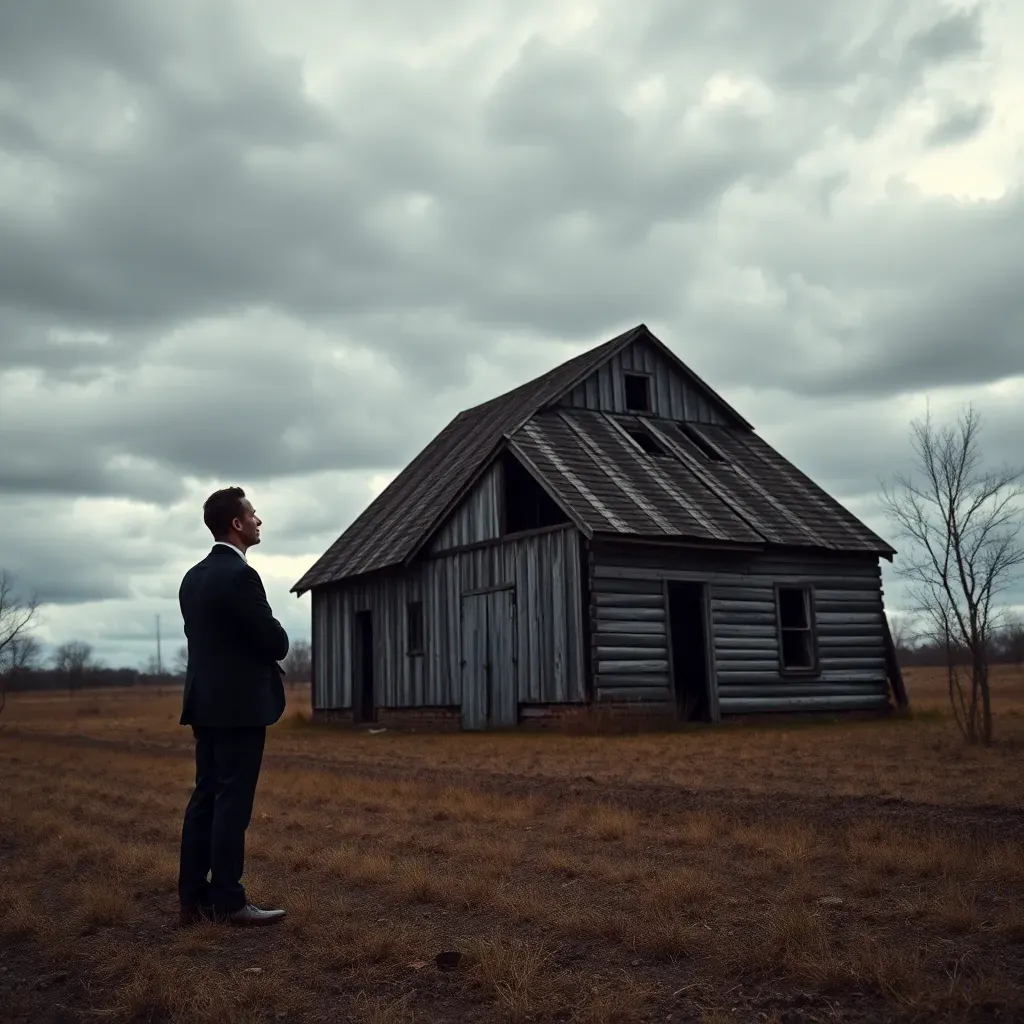
We often talk about tactics in this business: the Charlie 6, the Three Buckets, how to structure a deal. But before any of that, there’s the fundamental question of *why* you’re here. What drives you? What kind of impact do you want to make, not just on your bank account, but on the world around you?
I saw a piece recently about the Marfan Foundation and the University of San Francisco establishing Loeys-Dietz Syndrome training for 1,500 nursing students, all driven by the legacy of Connor Metz. This isn't a direct real estate story, but it's a powerful reminder of how focused, purpose-driven action, even in the face of adversity, can create something lasting and meaningful. It’s about building something bigger than yourself, and that’s a lesson every operator in distressed real estate needs to internalize.
In our world, it’s easy to get caught up in the immediate transaction – the next flip, the next wholesale. But the operators who truly last, the ones who build real wealth and a reputation worth having, are the ones who understand they’re not just buying and selling houses. They’re solving problems. They’re providing solutions for homeowners in distress, revitalizing communities, and creating value where others see only decay.
Think about it: a homeowner facing foreclosure isn't just a number on a spreadsheet. They're a person, often in a difficult situation. Your ability to approach them with empathy, clarity, and a structured solution — without sounding desperate, pushy, or like you just discovered YouTube — is what sets you apart. This isn't about being a therapist; it's about being a professional who understands that human connection and problem-solving are at the core of every successful deal.
“The best deals aren't just about the numbers; they're about solving a complex problem for someone who needs it,” says Sarah Jenkins, a veteran distressed asset manager. “When you lead with that mindset, the numbers often fall into place.”
Just as the Marfan Foundation is building a legacy of knowledge and care, you, as a distressed real estate operator, are building a legacy of opportunity. Every property you bring back to life, every homeowner you help navigate a difficult situation, adds to that. This isn't just about closing a deal; it's about the long game — the reputation you build, the systems you refine, and the impact you have on your local market.
This requires discipline. It means sticking to your qualification criteria, like the Charlie 6, even when a deal looks tempting but doesn't quite fit. It means understanding your Resolution Paths and knowing when to Keep, Exit, or Walk. It means building relationships with contractors, lenders, and, most importantly, with the homeowners themselves, based on trust and transparent communication.
“Consistency in approach and a genuine desire to help are more valuable than any market prediction,” notes Mark Thompson, a long-time real estate investor and community developer. “People remember how you made them feel, especially when they were vulnerable.”
The operators who succeed aren't just chasing the next quick buck. They're building a business that provides consistent value, solves real problems, and, in doing so, creates a lasting impact. They understand that their actions today are shaping their legacy tomorrow, whether that's through revitalized neighborhoods or a reputation as the go-to problem solver in their market.
Start with the foundations at [The Wilder Blueprint](https://wilderblueprint.com/foundations-registration/) — the entry point for serious distressed property operators.