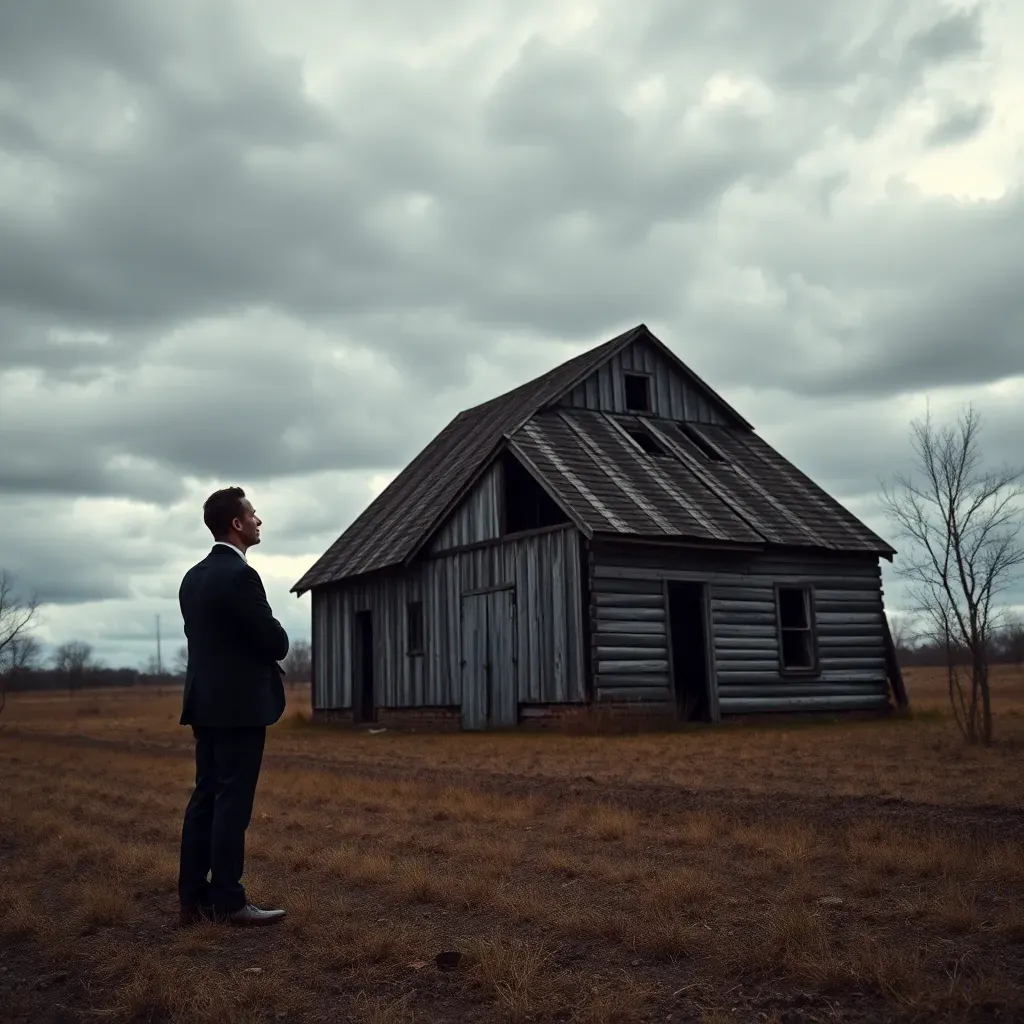
You might have seen news about youth farm safety training returning to places like the NEMO Fairgrounds. On the surface, it’s about protecting kids from the inherent dangers of agricultural work. But for the disciplined operator, this seemingly niche news item shines a light on a critical, often overlooked aspect of distressed rural properties: the hidden liabilities and unique challenges that come with them.
Most investors fixate on the visible — the peeling paint, the overgrown yard, the foundation cracks. They run their numbers, assess the market, and make an offer. But rural properties, especially those with a history of farming or industrial use, carry a different kind of baggage. This isn't just about structural integrity; it's about environmental hazards, forgotten equipment, and the ghost of past operations that can turn a promising deal into a financial sinkhole if you're not paying attention. The KTVO report on farm safety isn't just for farmers; it's a subtle reminder that rural land is different, and those differences demand a more rigorous due diligence process from you.
When we talk about pre-foreclosures, we're often talking about properties in suburban or urban settings. But a significant portion of distressed assets are rural. These properties often come with outbuildings, barns, old equipment, and sometimes, the remnants of past agricultural or even small-scale industrial operations. This is where the 'safety training' angle becomes relevant for you, the investor. You’re not just buying a house; you’re buying a potential liability landscape.
Consider the hidden dangers: old fuel tanks buried underground, asbestos in barn roofs, lead paint in farmhouses, discarded pesticides, or even just dilapidated structures that are a hazard to anyone on the property. "Many investors get tunnel vision on the main dwelling," notes Sarah Jenkins, a veteran rural property analyst. "They miss the 50-year-old tractor rusting in the back field, or the abandoned well that isn't properly capped. These aren't just eyesores; they're environmental and safety liabilities that can cost tens of thousands to mitigate."
Your due diligence on a rural distressed property needs to extend far beyond a typical home inspection. You need to be asking about the history of the land: What was it used for? Were chemicals stored here? Is there old machinery? Are there underground tanks? A Phase I Environmental Site Assessment (ESA) isn't just for commercial deals; it can be a critical tool for rural properties, especially if there’s any indication of past industrial or intensive agricultural use. This isn't about being paranoid; it's about being prepared and understanding the true cost of acquisition and remediation.
This level of scrutiny allows you to qualify the deal properly. It's not just about the ARV; it's about the 'Adjusted Remediation Value.' If a property has significant environmental or safety hazards, those costs need to be factored into your offer. This is where the Charlie 6 diagnostic system proves invaluable. It forces you to look beyond the obvious, to ask the harder questions, and to understand the full scope of the deal before you commit. You’re not just assessing the house; you’re assessing the entire parcel and its history.
Furthermore, understanding these liabilities gives you leverage. When you approach a distressed homeowner on a rural property, you're not just offering to buy their house; you're offering to take on their potential problems. "Knowing the potential environmental issues on a rural property allows you to frame a more compelling offer," says Mark Ellison, a seasoned investor specializing in land deals. "You're solving a deeper problem for them, which can often lead to a better acquisition price for you."
This isn't about scaring you away from rural properties. It's about equipping you to approach them with discipline and clarity. The opportunities in rural distressed real estate are significant, often with less competition than urban markets. But the operator who understands the unique risks, who performs thorough due diligence, and who can factor those liabilities into their acquisition strategy, is the one who will succeed.
Building this kind of structured approach to every deal, rural or urban, is what separates the serious operator from the enthusiast. The full deal qualification system is inside The Wilder Blueprint Core — six modules built for operators who are ready to move.