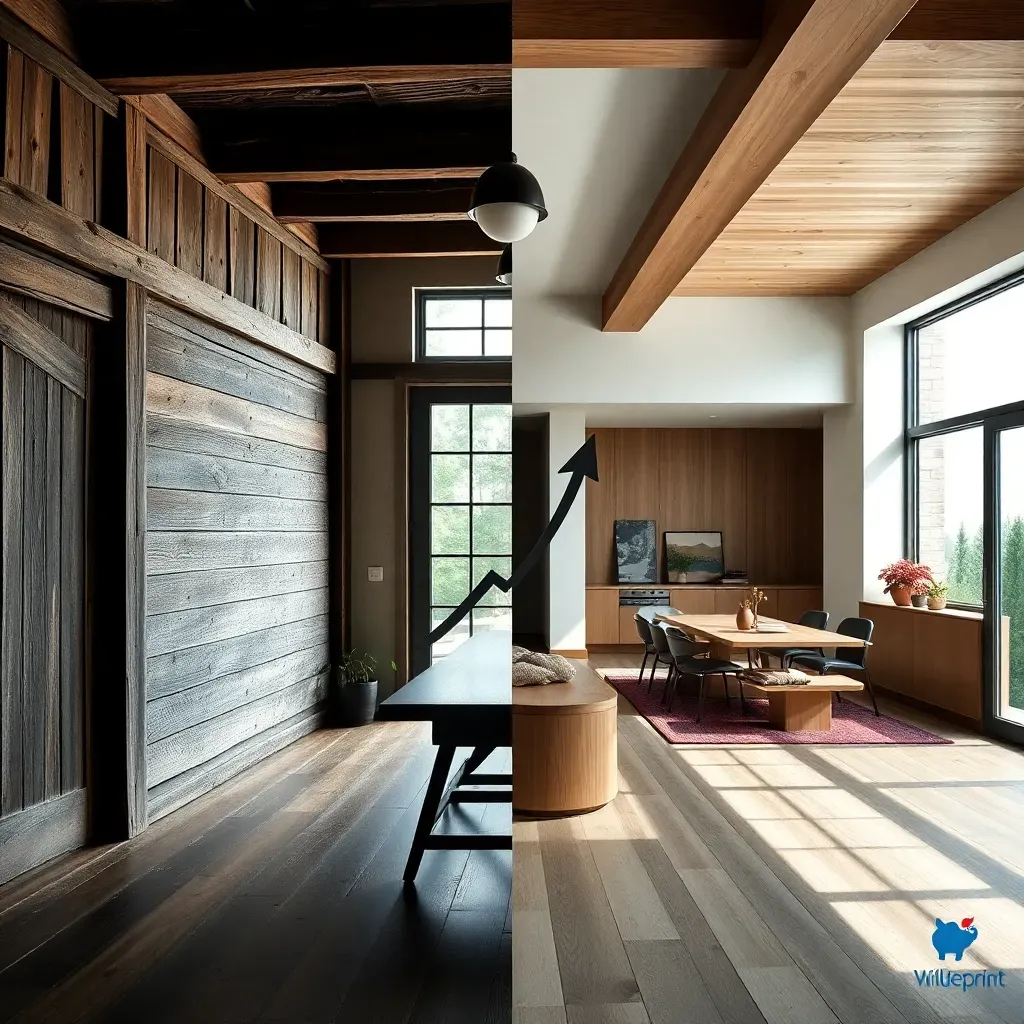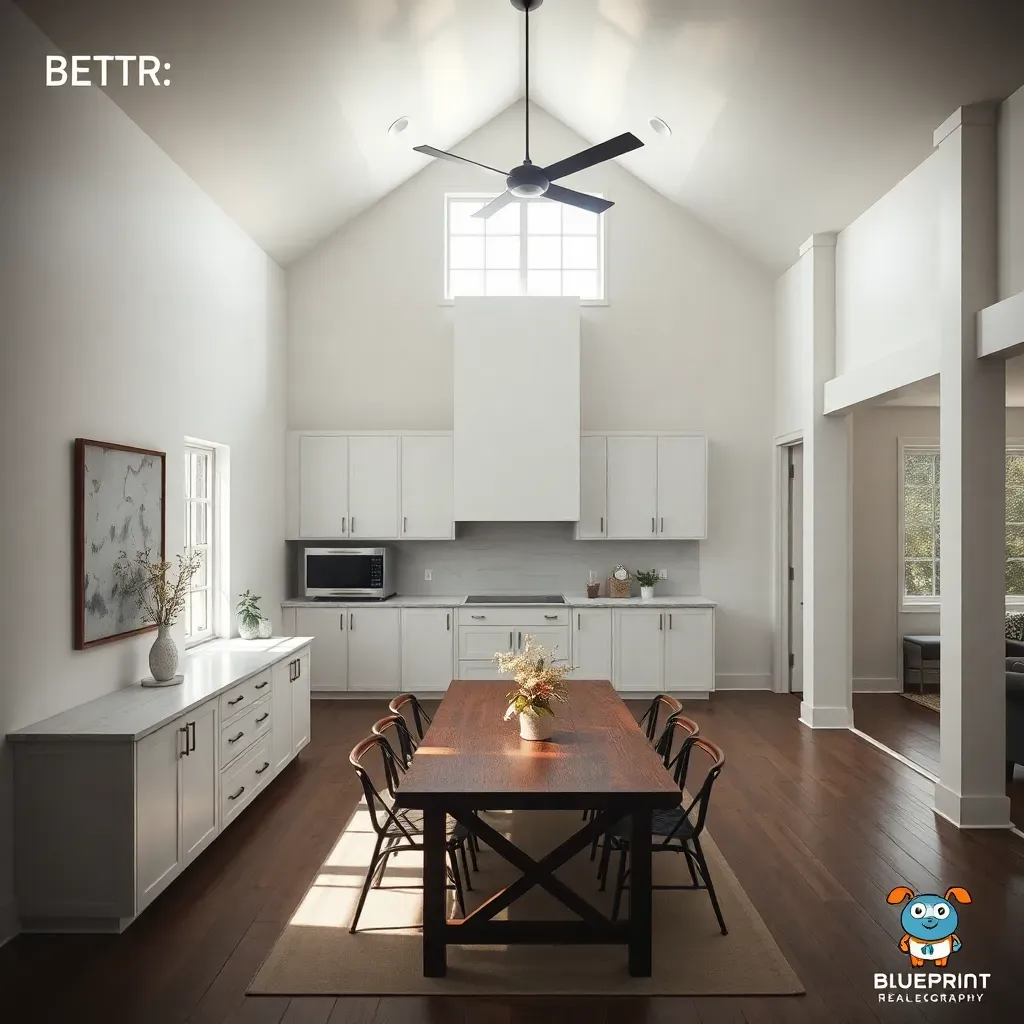
There's a lot of talk in the broader real estate market about design trends. The latest buzz is around something called 'Organic Modernism' or 'New Farmhouse' – a shift from the rustic, shiplap-heavy farmhouse aesthetic to something cleaner, with warm whites, natural textures, and contemporary materials. It’s a move away from the overtly country toward a more refined, understated elegance.
For many, this might sound like interior decorator chatter, far removed from the gritty reality of pre-foreclosures and distressed assets. But if you're an operator who plans to flip a property, ignoring these shifts is a fundamental mistake. Your exit strategy relies on understanding what the end buyer wants, and what they want changes. The market doesn't care what you personally like, or what worked on your last five deals. It cares about what’s moving today.
When you're evaluating a distressed property, your initial focus is on the numbers: the acquisition cost, the repair estimate, the ARV. The 'R' in ARV – After Repair Value – isn't just about structural integrity or square footage. It's heavily influenced by market appeal. A property that feels dated, even if structurally sound, will sit longer and sell for less. This isn't about chasing fads; it's about recognizing the current baseline of what makes a property desirable to the average buyer in your target market.
Consider a property that needs a full rehab. You’ve got a choice: invest in a design that resonates with current buyer tastes, or stick to what you know. Sticking to what you know, especially if it’s last year’s trend, is a recipe for extended holding costs and price reductions. "We've seen investors lose significant equity by simply rehabbing to their own outdated tastes," notes Sarah Jenkins, a seasoned real estate analyst. "The market moves fast, and buyers are more educated than ever on what they want in a modern home."
This 'Organic Modernism' trend, for example, isn't just about paint colors. It's about a feeling. It speaks to a desire for simplicity, natural light, and functional spaces that feel both comfortable and sophisticated. This translates into choices like lighter wood tones for flooring, minimalist cabinetry, subtle textured tiles, and strategic use of natural light. It's about creating a canvas that feels fresh and inviting, not overly themed or cluttered. Your job as the operator is to deliver that canvas efficiently.
When you're running your Charlie 6 diagnostics on a potential deal, you're not just looking at the foundation and the roof. You're mentally mapping out the rehab, and that includes the aesthetic. Are you going to spend $20k on a kitchen that screams 2018, or $25k on one that feels current and will command a higher price and faster sale? That $5k difference can be the margin between a profitable flip and a break-even, or worse, a loss. "The smartest operators understand that design is a critical component of their overall investment strategy, not an afterthought," says Michael Vance, a veteran rehab contractor.
This isn't about becoming an interior designer. It's about being an astute operator who understands the complete picture of a deal. It means knowing your market, paying attention to what new construction is doing, and observing what properties are selling quickly and for top dollar. It means making informed decisions on finishes that align with buyer expectations, not just your personal preference or what was easy last time. The goal is to minimize time on market and maximize your ARV, and current design trends are a lever to pull.
Mastering the art of the profitable flip means understanding all the variables, from acquisition to disposition. The complete 12-module system, including the Charlie 6 and all three operator tracks, is inside [The Wilder Vault](https://wilderblueprint.com/the-vault-registration/).