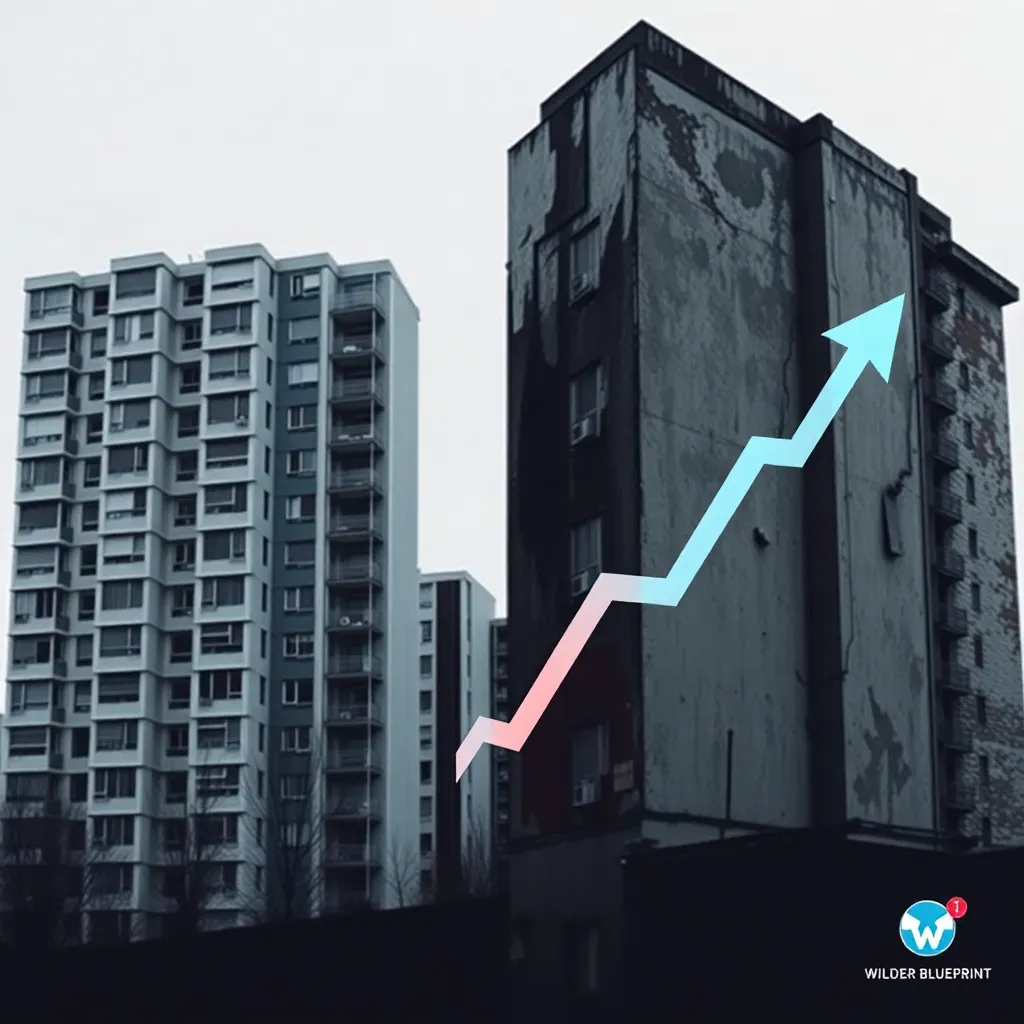
When you see headlines about new public housing or supportive housing initiatives, most people read it as a social good story – and it is. BangorHousing’s plan to build 60 supportive housing units for homeless residents is a clear example of a community addressing a pressing need. But for the disciplined distressed property operator, it's also a signal. It’s a data point indicating shifting market dynamics and often, new opportunities.
This isn't about exploiting vulnerability; it's about understanding the ripple effects of policy and development. Every time a city or housing authority injects new, often subsidized, housing stock into a market, it alters the supply-demand equation, particularly at the lower end of the price spectrum. This can create a vacuum, or a surplus, in other areas of the market, which is where the strategic operator finds their edge.
Here’s the frame: these projects are often a response to a broader housing crisis, which means there’s an underlying demand for affordable housing. While the new units address a specific segment, they don't solve the entire problem. What they *do* is often free up other, older, less desirable housing stock. Owners of these properties, who might have been struggling to maintain them, suddenly see a viable exit strategy as demand shifts or new regulations come into play. This is where pre-foreclosures and distressed assets emerge.
Consider the impact on landlords of older, Class C or D properties. If a significant number of new, well-maintained, and often subsidized units become available, their existing tenants might have better options. This can lead to increased vacancies, deferred maintenance becoming unsustainable, and ultimately, owners looking to offload properties they can no longer profitably manage. These are the properties that often slide into pre-foreclosure.
“We’ve seen this pattern before,” says Maria Rodriguez, a market analyst specializing in affordable housing trends. “When new public housing comes online, it often accelerates the decline of the oldest, most neglected private rental stock. Those landlords are often already teetering on the edge.”
Your job as an operator isn't to compete with these new developments. Your job is to understand the market forces they unleash. These projects are often funded by grants and public money, which means they’re not subject to the same profit motives as private investors. This creates a distinct market segment that can inadvertently push other properties into distress. An owner who might have held onto a dilapidated rental for years, hoping for a market turnaround, might now see the writing on the wall. They’re ready for a solution, and that’s where you come in.
Focus on identifying the areas immediately surrounding these new developments, or neighborhoods with similar housing stock. Look for properties with long-term owners, signs of neglect, and potential code violations. These are the indicators of an owner who might be feeling the pressure and is open to a conversation about a fair, fast exit. The Charlie 6 diagnostic system, for instance, helps you quickly assess the viability of such a deal, factoring in the property's condition, the owner's motivation, and the local market context.
“The key is to be proactive,” notes David Chen, a veteran real estate investor. “Don’t wait for the foreclosure notice to hit. Understand the macro trends, like new public housing, and anticipate which owners will be most affected. That’s where the pre-foreclosure opportunities lie.”
This isn't about being opportunistic in a negative sense. It's about being prepared to offer a solution to someone who genuinely needs one, often before they even realize how much they need it. You're not creating the problem; you're providing a structured, ethical way out for owners caught in changing market conditions.
Understanding these subtle market shifts is crucial for any serious operator. The full deal qualification system is inside The Wilder Blueprint Core — six modules built for operators who are ready to move.