The housing market continues to grapple with a foundational challenge: a persistent lack of supply. While this creates affordability hurdles for many, for the astute real estate investor, it carves out distinct avenues for profit. The recent 2026 National Housing Supply Summit underscored this reality, highlighting key trends and policy discussions that should inform every investor's strategy.
For years, underbuilding has been the norm. Data from the National Association of Home Builders (NAHB) consistently points to a significant deficit, often cited at 1.5 million units or more. This isn't just about new construction; it's about the entire ecosystem – from entry-level homes to move-up properties. This structural imbalance means demand will likely outstrip supply for the foreseeable future, creating a robust environment for property value appreciation and rental income growth.
**The Investor's Edge in a Constrained Market**
One of the summit's key takeaways was the continued pressure on existing housing stock. With new construction struggling to keep pace due to labor shortages, material costs, and regulatory hurdles, the value of existing homes – particularly those needing renovation – escalates. This is prime territory for investors specializing in property flipping and value-add strategies.
"The current market dynamics are a goldmine for investors who understand how to create value," says Marcus Thorne, a veteran real estate investor with over 30 years in the game. "We're seeing properties that would have barely broken even five years ago now offering 20-30% ARV spreads, simply because the supply of 'move-in ready' homes is so low. Our focus remains on acquiring distressed assets – pre-foreclosures and foreclosures – where we can inject capital and return a desirable product to the market at a premium."
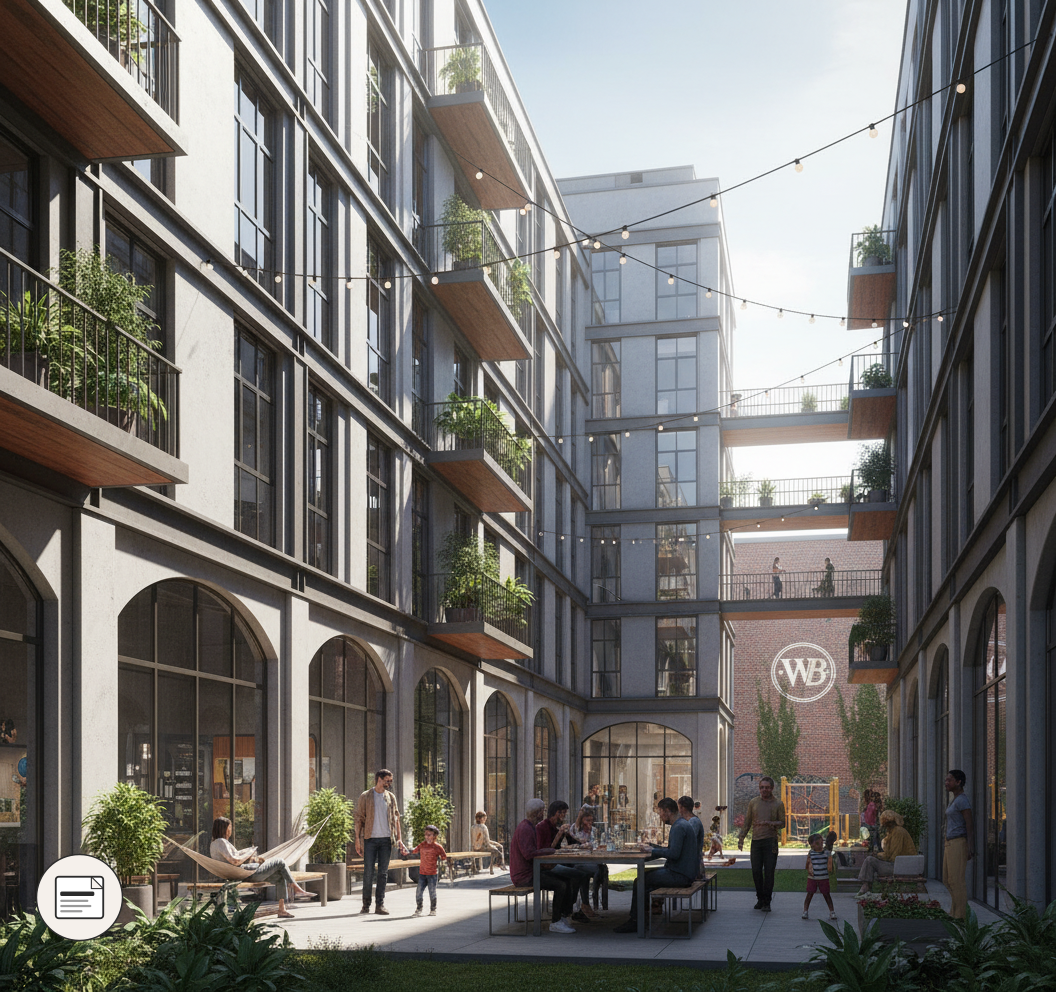
Another critical insight from the summit was the growing emphasis on infill development and adaptive reuse. As land becomes scarcer and more expensive, converting commercial properties into residential units or developing smaller, denser housing on overlooked parcels presents a significant opportunity. While these projects often require more complex financing and zoning navigation, the potential returns can be substantial.
**Navigating Policy and Economic Headwinds**
While the supply crunch favors investors, it's not without its complexities. Discussions at the summit touched on potential policy shifts aimed at stimulating construction, such as zoning reforms or incentives for affordable housing. Investors must stay attuned to these developments, as they can impact local market dynamics and long-term investment viability.
Interest rates also remain a significant factor. While higher rates can cool buyer demand, the underlying supply deficit provides a floor for property values. For rental property investors, this often translates into increased demand for rental units as homeownership becomes less accessible for some. "We're seeing strong rental growth in markets with tight supply, even with higher mortgage rates," notes Dr. Evelyn Reed, a housing economist and real estate analyst. "Investors with a long-term hold strategy and a focus on cash flow are well-positioned to ride out any short-term rate fluctuations."
**Actionable Strategies for Today's Investor**
1. **Target Distressed Properties:** Foreclosures, pre-foreclosures, and short sales offer below-market acquisition opportunities. The human element of these deals requires empathy, but the business reality is that these properties are often the most viable path to acquiring assets with significant upside. 2. **Focus on Value-Add:** Look for properties needing cosmetic or structural improvements. In a supply-starved market, buyers are willing to pay a premium for renovated homes. 3. **Explore Alternative Development:** Consider smaller-scale infill projects or adaptive reuse of commercial spaces if your expertise and capital allow. 4. **Monitor Local Policy:** Stay informed about zoning changes, building incentives, and affordable housing initiatives in your target markets. 5. **Prioritize Cash Flow:** For rental portfolios, ensure your acquisition models account for current interest rates and project strong, sustainable cash flow.
The housing supply crisis isn't a temporary blip; it's a fundamental shift. For investors armed with the right strategies and market intelligence, it represents a sustained period of opportunity.
---
*Ready to refine your investment strategy and capitalize on current market dynamics? The Wilder Blueprint offers advanced training and resources for navigating foreclosures, pre-foreclosures, and value-add opportunities in any market cycle. Visit our website to learn more.*