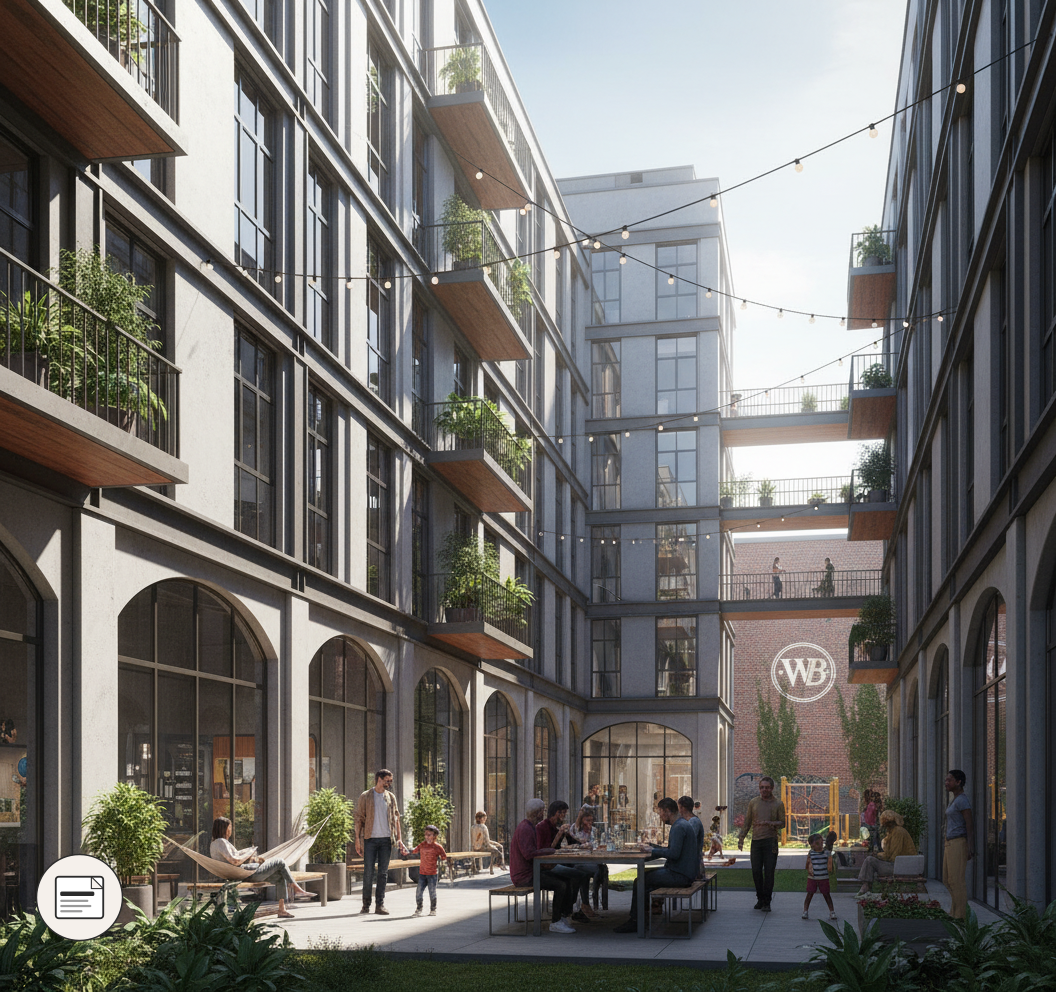
The real estate market is constantly evolving, and with it, the opportunities for astute investors. While many focus on traditional single-family flips or multi-family acquisitions, a growing segment of the market offers both significant financial returns and a positive community impact: specialized housing through adaptive reuse.
A recent development in Wayland, Massachusetts, where a property at 212 Cochituate Road is being eyed for housing for disabled adults, exemplifies this trend. This isn't just a feel-good story; it's a blueprint for identifying and capitalizing on niche market demands that often fly under the radar of mainstream investors.
**The Niche: Specialized Housing Demand**
The demand for specialized housing – be it for disabled adults, senior living, transitional housing, or even student accommodations – consistently outstrips supply in many regions. These are often recession-resistant markets, driven by demographic shifts and social needs rather than cyclical economic swings. For investors, this translates to stable occupancy rates and premium rents, provided the property is well-managed and meets specific regulatory requirements.
"We've seen a consistent 95%+ occupancy rate in our specialized housing portfolio, even when the broader rental market softened," notes Lena Petrova, a seasoned investor with over 30 years in adaptive reuse projects. "The key is understanding the specific needs of the target demographic and designing a property that truly serves them, not just houses them."
**Adaptive Reuse: The Investment Strategy**
Adaptive reuse involves repurposing an existing structure for a new use. In the context of specialized housing, this often means converting commercial buildings (like former office spaces, retail outlets, or even small industrial units) or larger residential properties into purpose-built facilities. The Wayland example, potentially converting an existing structure, highlights the efficiency of this approach compared to ground-up construction.
**Key Considerations for Investors:**
1. **Zoning and Permitting:** This is paramount. Before even considering an offer, a thorough due diligence on local zoning ordinances is critical. Will the proposed change of use require variances or special permits? What is the timeline and cost associated with these approvals? Engaging with local planning departments early can save significant time and capital.
2. **Conversion Costs:** While adaptive reuse often costs less than new construction, specific modifications for accessibility (ADA compliance, wider doorways, ramps, specialized bathrooms) can be substantial. A detailed budget, including architectural plans and contractor bids, is non-negotiable. Expect renovation costs to range from $75-$150 per square foot for significant conversions, depending on the existing structure and required upgrades.
3. **Operational Model:** Specialized housing often requires specific operational models, including potential partnerships with care providers, social services, or non-profits. This can impact property management strategies and expense ratios. Understanding the long-term operational costs and revenue streams is vital for accurate pro forma analysis.
4. **Financing:** Lenders may view specialized housing projects differently. While traditional mortgages are possible, some investors might explore impact investing funds, government-backed loans, or even private equity groups specializing in social infrastructure projects. Demonstrating a clear demand and a viable operational plan is crucial for securing favorable terms.
"The Wayland project is a prime example of identifying an asset that, with strategic modifications, can serve a high-demand, underserved market," says Marcus Thorne, a real estate analyst specializing in urban development. "The cap rates for well-executed specialized housing projects can often outperform conventional multi-family, especially when factoring in stable tenancy and potential government subsidies or partnerships."
**The Wilder Blueprint Perspective:**
While the Wayland project isn't explicitly a foreclosure, the principles apply. Distressed commercial properties, often acquired at a discount, present prime adaptive reuse opportunities. Imagine a vacant office building in a desirable location, acquired through a commercial foreclosure, then repurposed for senior living or assisted care. The initial acquisition cost advantage amplifies the potential ROI significantly.
This strategy requires a deeper dive into market analysis, regulatory frameworks, and community needs. It's not a 'set it and forget it' investment, but for those willing to do the homework, specialized housing through adaptive reuse offers a robust, impactful, and often highly profitable avenue for real estate investment.
Ready to explore how you can identify and capitalize on these unique market opportunities? The Wilder Blueprint offers advanced training on adaptive reuse strategies, including detailed due diligence checklists and financing frameworks for specialized real estate projects.