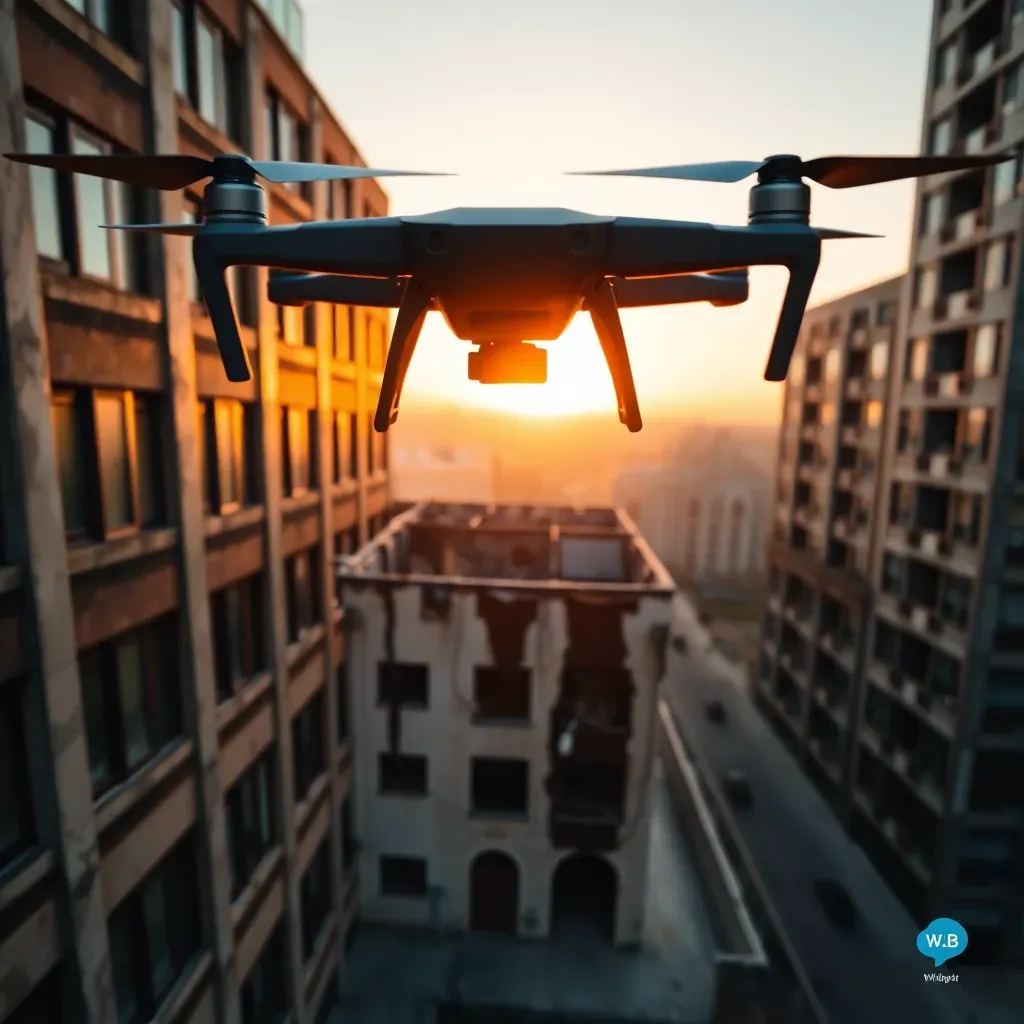
The news is buzzing about the best online courses for FAA Part 107 drone pilot certification in 2026. For many, this sounds like a niche hobby or perhaps a side gig for photographers. But for the operator who understands how to leverage every available tool, this isn't just about flying a drone; it's about gaining an unfair advantage in the distressed real estate market.
We live in an age where information is king, and speed is currency. While others are still driving to properties, navigating traffic, or waiting for a clear day to get a ladder out, a certified drone pilot can assess a property from a perspective few others can. This isn't about being flashy; it's about being efficient, accurate, and ultimately, more profitable.
Think about the typical pre-foreclosure scenario. You've identified a potential deal, perhaps through public records or a direct mail campaign. Before you even make contact with the homeowner, you need to understand the asset. Is the roof compromised? Are there structural issues visible from above? What's the condition of the surrounding property? Traditionally, this means a drive-by, maybe a peek over the fence, or relying on outdated satellite images. Each of these methods is incomplete, time-consuming, and can lead to missed opportunities or, worse, wasted time on a bad lead.
This is where a drone, piloted by a Part 107 certified operator, becomes invaluable. The FAA Part 107 certification isn't just a piece of paper; it's the legal framework that allows you to operate a drone commercially. This means you can use it for business purposes – like scouting potential distressed properties – without breaking federal law. Without it, you're limited to recreational flying, which has strict rules against commercial use. Investing in that certification is investing in your ability to operate legally and effectively.
Imagine this: You've got a list of 20 potential pre-foreclosures. Instead of spending days driving to each one, you can launch a drone, capture high-resolution images and video of the roof, gutters, chimney, and overall property condition in a fraction of the time. You can identify major red flags – a tarped roof, significant water damage visible from above, overgrown brush indicating neglect – before you ever burn gas or make an unnecessary phone call. This allows you to rapidly qualify or disqualify properties, focusing your limited time and resources on the deals that truly warrant a deeper dive.
"The ability to get a detailed aerial view of a property, especially the roof, before I even step foot on the land, has saved me countless hours," says Mark Jenkins, a seasoned investor in North Carolina. "It's not just about identifying damage; it's about understanding the scope of the rehab and making a more informed initial offer. It changes your Charlie 6 assessment dramatically."
This isn't about replacing human interaction or a thorough inspection. It's about optimizing the initial triage. The Charlie 6 deal qualification system, for instance, relies on rapid assessment of key property attributes. A drone feed can provide critical data points for the 'Condition' and 'Potential Issues' categories, allowing you to move from a 'maybe' to a 'yes' or 'no' much faster. You're not just looking at a property; you're conducting a rapid, preliminary diagnostic.
Furthermore, for properties with difficult access or in rural areas, a drone can be the only way to get eyes on the entire asset without trespassing or extensive travel. This expands your reach and allows you to consider deals that others might overlook due to logistical challenges. It's about being more dangerous in the right way – more prepared, more informed, and more efficient.
"We've used drone footage to walk through potential rehab plans with contractors remotely," adds Sarah Chen, a property analyst in Texas. "It helps them visualize the scope, especially for exterior work, and gives us more accurate bids upfront. That kind of precision saves real money and time on the back end."
Embracing tools like drone technology, and the certification required to use it legally for business, isn't just about staying current. It's about building a more structured, truthful, and executable approach to distressed real estate. It's about showing up more disciplined and clear in a business that rewards those qualities.
See the full system at [The Wilder Blueprint](https://wilderblueprint.com/get-the-blueprint/).