
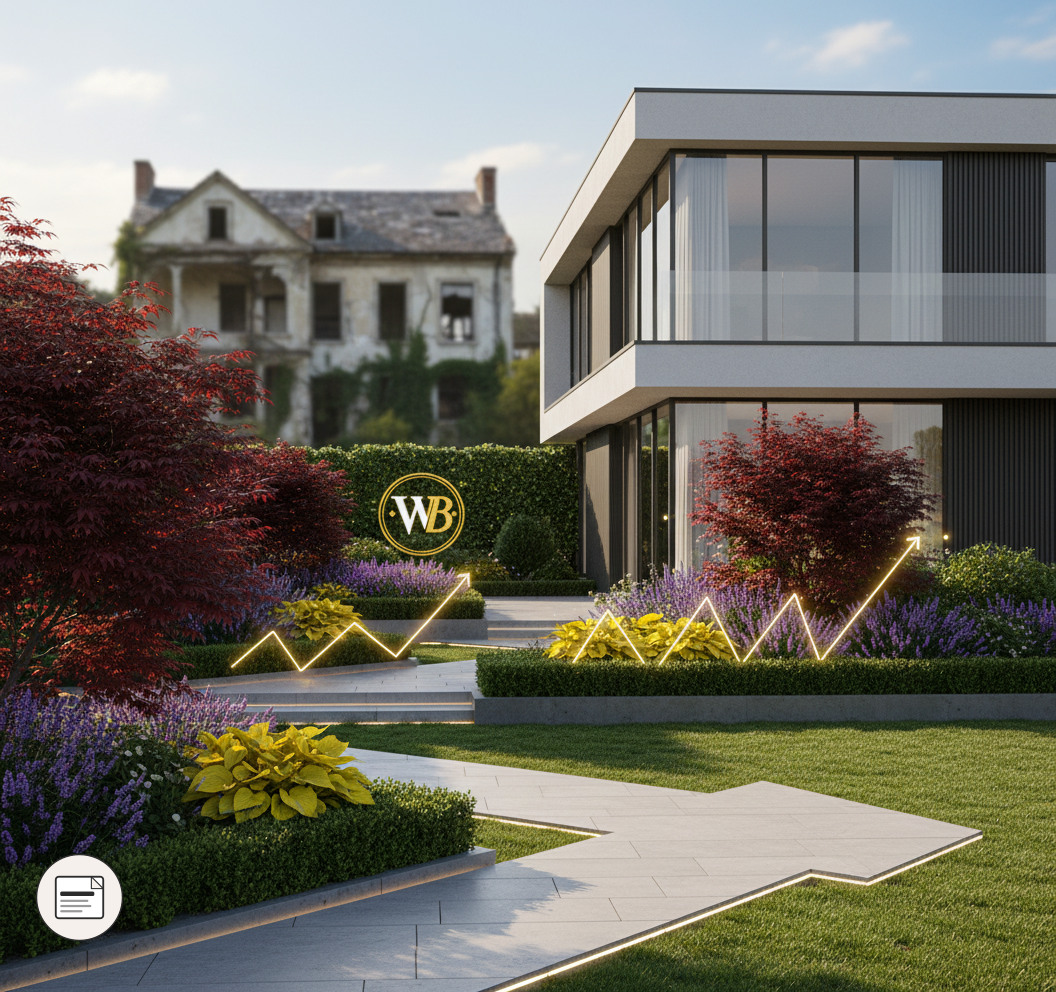
While mainstream real estate advice often focuses on interior renovations, seasoned investors understand that the exterior of a property, particularly landscaping, plays a disproportionately significant role in its marketability and ultimate After-Repair Value (ARV), especially in the foreclosure and pre-foreclosure space.
When evaluating a distressed asset, the first impression is often the only impression for potential buyers and even appraisers. A neglected yard, overgrown shrubs, or a dead lawn can instantly devalue a property by tens of thousands, regardless of the interior's condition. This isn't about planting exotic flora; it's about strategic, cost-effective improvements that signal care, reduce perceived risk, and enhance curb appeal for a faster sale.
**The Foreclosure Factor: Perception is Profit**
In the foreclosure market, properties often sit vacant for extended periods, leading to severe exterior neglect. This isn't just an aesthetic problem; it’s a red flag for buyers, suggesting potential underlying issues or a lack of maintenance history. A property with a well-maintained, albeit simple, landscape communicates that the home has been cared for, even if the interior needs a full gut. This perception directly impacts buyer confidence and, consequently, their willingness to pay top dollar.
"We've seen properties with identical interior rehabs sell for 5-7% more and 30 days faster just by investing an extra $2,000-$3,000 in strategic landscaping," says Marcus Thorne, a veteran real estate investor with over 300 flips under his belt. "It's not about creating a botanical garden; it's about clean lines, healthy grass, and a welcoming entrance. That's pure profit on the back end."
**Actionable Strategies for Maximizing Exterior ROI**
1. **Prioritize Basic Maintenance:** Before any aesthetic upgrades, address fundamental issues. This includes clearing debris, trimming overgrown trees and shrubs (especially those touching the house or roof), and ensuring proper drainage away from the foundation. These are non-negotiable for any property, let alone a distressed one. 2. **Lawn Revival:** A healthy lawn is perhaps the most impactful and cost-effective exterior improvement. For properties with dead or patchy grass, consider sodding high-visibility areas (front yard) and overseeding/fertilizing less critical zones. The visual transformation is immediate and significant. 3. **Strategic Planting:** Focus on low-maintenance, drought-tolerant plants. Simple, well-placed shrubs or perennial flowers near the entrance can add significant appeal without requiring extensive ongoing care. Avoid overly complex designs that might deter future buyers. 4. **Defined Edges and Pathways:** Clean edges around flower beds and a clear, well-maintained pathway to the front door create a sense of order and welcome. Mulch can dramatically improve the look of beds while suppressing weeds. 5. **Entryway Enhancement:** The front door and porch area are critical. A fresh coat of paint on the door, updated house numbers, and a simple outdoor light fixture can elevate the entire facade. Consider a small, welcoming planter.
"For our pre-foreclosure acquisitions, we often negotiate a small credit for immediate exterior cleanup," explains Sarah Chen, a real estate analyst specializing in short sales. "It shows good faith, stabilizes the asset, and makes it easier to secure financing or attract a quick buyer if we decide to wholesale. It's a small investment with a compounding return."
Ignoring the exterior is a common misstep for less experienced investors. For those operating in the distressed property market, understanding and leveraging strategic landscaping isn't just about curb appeal; it's a direct pathway to higher ARV, faster sales cycles, and ultimately, superior investment returns.
---
*Ready to master the art of maximizing ARV on every deal? The Wilder Blueprint offers advanced training on identifying high-impact, cost-effective renovations that drive profit in any market. Explore our comprehensive courses today.*