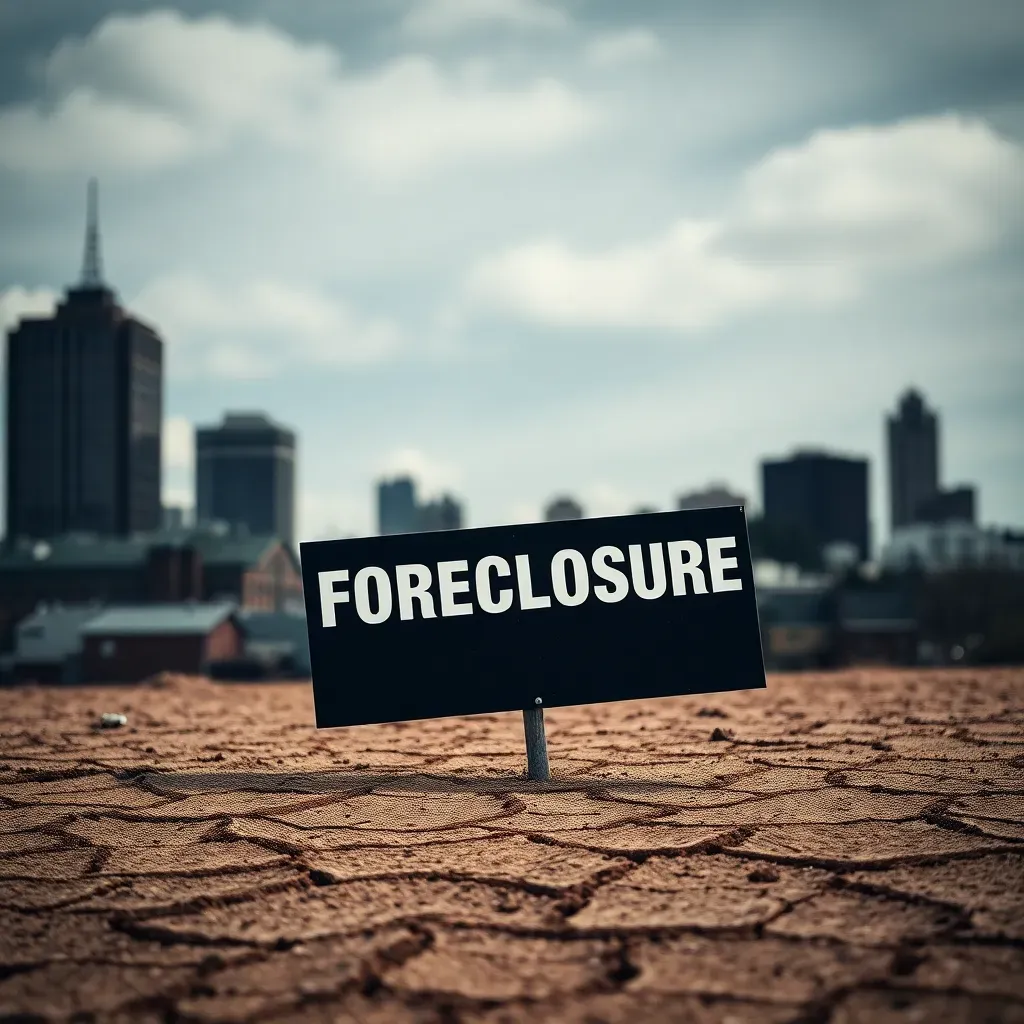
The news out of Chicago, with CHA Commissioner Debra Parker accused of defrauding the public housing agency, is more than just a headline. It’s a stark reminder of what happens when the systems designed to support vulnerable communities fail from within. When public trust erodes, whether due to mismanagement, corruption, or simple inefficiency, the impact is felt most acutely by those who can least afford it.
For residents, it means substandard living conditions, neglected properties, and a further decline in neighborhood stability. For the broader community, it signals a deeper systemic issue that often translates into blight and a lack of investment. This isn't just a Chicago problem; it's a pattern that plays out in various forms across the country, creating pockets of distress that the public sector often struggles to address effectively.
This is precisely where the disciplined distressed real estate operator steps in. While the news focuses on the scandal, the underlying reality is that these situations create significant opportunities for ethical, strategic investment. We're not talking about predatory practices; we're talking about bringing capital, expertise, and a structured approach to properties and neighborhoods that desperately need it.
When public housing agencies falter, properties become neglected, and the surrounding areas often follow suit. This can lead to an increase in pre-foreclosures, code violations, and properties falling into disrepair. For an operator, these are signals. They indicate areas where market value is suppressed, not necessarily due to a lack of fundamental demand, but due to systemic neglect and a lack of private investment.
"The public sector has its role, but it's often too slow, too bureaucratic, or too compromised to effectively revitalize distressed assets," notes Sarah Jenkins, a veteran real estate analyst focused on urban redevelopment. "Private capital, deployed strategically and ethically, can fill that void, transforming properties and stabilizing communities far more efficiently."
Your job as an operator isn't to fix public policy, but to understand its downstream effects. When you see news like this, it should trigger a deeper dive into the affected areas. Look for properties that are undervalued due to external factors – not because of their inherent potential, but because of the environment they're in. These are often properties that qualify under what we call the Charlie 6 – deals that have clear paths to resolution and value creation, often overlooked by less disciplined investors.
This isn't about capitalizing on misfortune in a predatory way. It's about providing solutions. A homeowner struggling in a declining neighborhood, or a property that's become a burden due to mismanagement, represents an opportunity for you to offer one of the Five Solutions. You can buy the property, rehabilitate it, and either sell it for a profit, rent it out to provide quality housing, or even wholesale it to another investor who will do the same. This process injects capital, improves housing stock, and stabilizes communities – something that often doesn't happen when public systems fail.
"We've seen countless examples where a single well-executed flip or wholesale deal can be the catalyst for broader neighborhood improvement," states Michael Chen, a long-time investor specializing in urban infill projects. "It's about demonstrating what's possible when private enterprise steps up."
The key is to approach these situations with structure and integrity. Don't sound desperate, pushy, or like you just discovered YouTube. Instead, lead with a clear understanding of the homeowner's situation, offer a fair solution, and execute on your commitments. This business rewards structure, truth, and execution, especially when operating in environments where trust has been broken.
Understand the local market dynamics, the specific foreclosure timelines, and the potential for revitalization. These are the fundamentals that allow you to operate effectively and ethically, turning systemic failures into opportunities for positive change and profitable investment.
Start with the foundations at [The Wilder Blueprint](https://wilderblueprint.com/foundations-registration/) — the entry point for serious distressed property operators.