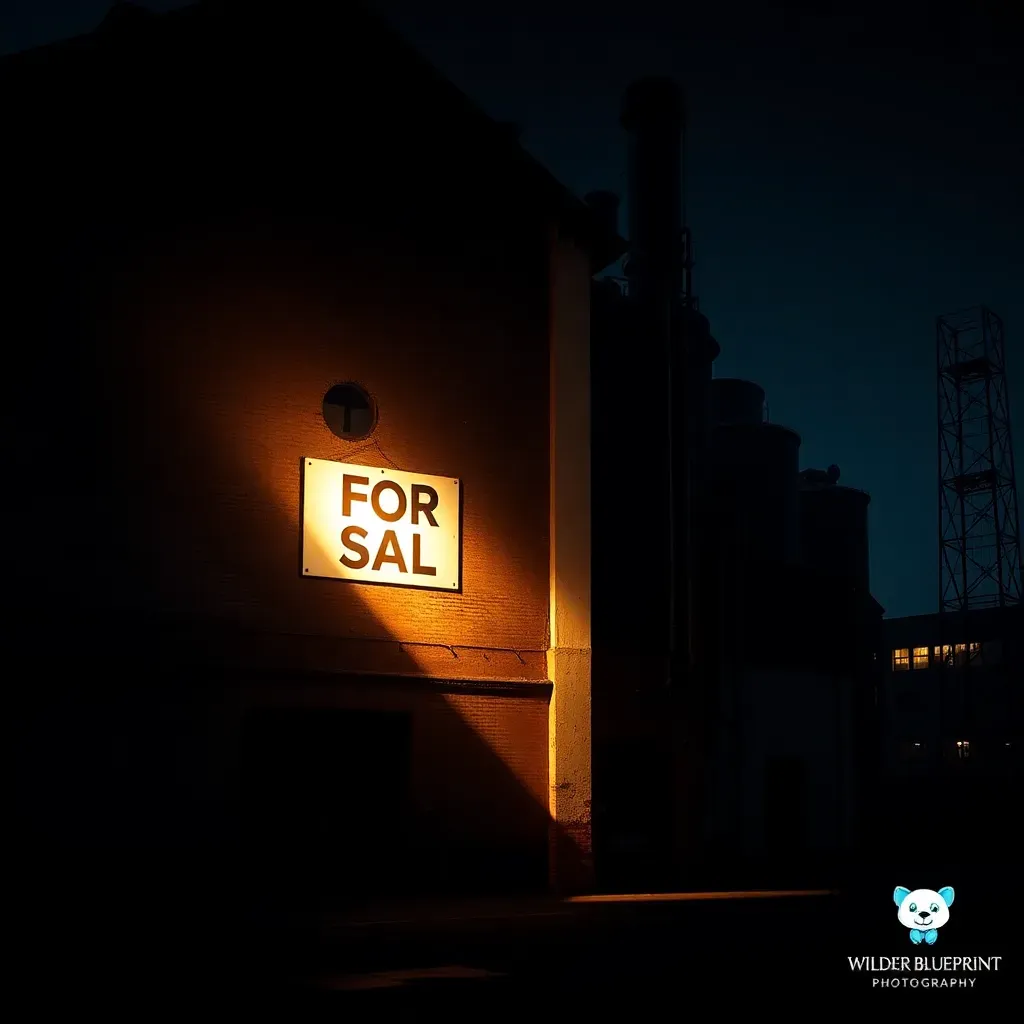
You see the headlines. Another business asset, a Kentucky distillery in this case, is headed for foreclosure sale. For many, it's just another piece of economic news, perhaps a sign of industry struggles. But for the disciplined operator, it's a signal. It's a reminder that distress isn't confined to residential properties; it’s a constant across all asset classes, and it creates opportunities for those who understand how to navigate it.
This isn't about celebrating someone else's misfortune. It's about recognizing the reality of the market. Businesses fail, economic shifts happen, and debt comes due. When that happens, assets — whether it's a single-family home or a multi-million dollar commercial operation — often end up in the foreclosure pipeline. The question isn't *if* these opportunities will arise, but *how* you position yourself to capitalize on them when they do.
The core principles of distressed real estate investing don't change, regardless of whether you're looking at a residential pre-foreclosure or a commercial property like this distillery. You're still seeking an asset below market value, you're still looking for a motivated seller (or in this case, a motivated lender), and you're still applying a structured approach to due diligence and resolution. The scale and complexity might increase, but the foundational questions remain: What is the true value? What is the debt? What are the potential resolution paths?
Commercial foreclosures often present a different set of challenges and opportunities. For one, the due diligence is more involved. You're not just assessing the structure of a house; you're evaluating the underlying business, its equipment, its intellectual property (like a brand or recipes), and its operational viability. A distillery, for example, isn't just a building; it's a specialized manufacturing facility with specific permits, equipment, and supply chains. This complexity can deter many, but for those willing to do the work, it creates a moat around the opportunity.
“Commercial foreclosures require a deeper dive into financials and operational specifics,” notes Sarah Jenkins, a commercial real estate analyst. “But the upside can be significantly higher if you understand the business behind the asset.”
Another key difference is the financing. While residential deals might involve conventional mortgages or private money, commercial foreclosures can involve more complex debt structures, mezzanine financing, or even equipment leases. Understanding the capital stack and who holds the various liens is paramount. This is where your ability to dissect public records and engage with legal counsel becomes even more critical than in residential deals.
“We’ve seen commercial properties go for pennies on the dollar at auction because buyers didn't understand the existing debt or the environmental liabilities,” says Michael Chen, a veteran commercial real estate investor. “The risk is higher, but so is the potential reward for those who do their homework.”
Your approach to commercial distressed assets should be just as disciplined as with residential. Start with the data. Identify the property, understand the foreclosure status, and research the owner and any existing business. What is the highest and best use of the asset? Is it to restart the business, repurpose the facility, or simply liquidate the real estate? This is where frameworks like The Three Buckets – Keep, Exit, Walk – become invaluable. You need to quickly assess if the asset fits your strategy, if it's a viable exit through resale, or if it's a deal to walk away from entirely.
For an operator looking to scale, understanding commercial distressed assets is a natural progression. It’s about applying the same rigorous analytical skills and structured execution to larger, often more complex, opportunities. The market will always present these situations. The question is, are you prepared to recognize them and act decisively?
See the full system at [The Wilder Blueprint](https://wilderblueprint.com/get-the-blueprint/).