You see headlines like a small Texas lender jumping into crypto banking, and it's easy to get caught up in the hype. The financial world is always looking for the next big thing, the new frontier where capital can multiply quickly. For some, that's digital assets. For others, it's chasing the latest tech boom. But for the disciplined operator, these moves are less about opportunity and more about distraction.
This isn't to say there isn't money to be made in new markets. But when traditional institutions, especially smaller ones, start pivoting hard into highly volatile, less regulated spaces, it's a signal. It tells you where they *think* the easy money is, and often, it’s a sign of capital looking for returns beyond what traditional, tangible assets offer. This isn't a critique of crypto itself, but an observation of institutional behavior. When banks start looking for exponential growth in unproven territories, it often means they're overlooking — or intentionally avoiding — the consistent, predictable, and often more robust returns available in less glamorous sectors.
### The Allure of Tangible Assets in a Volatile Market
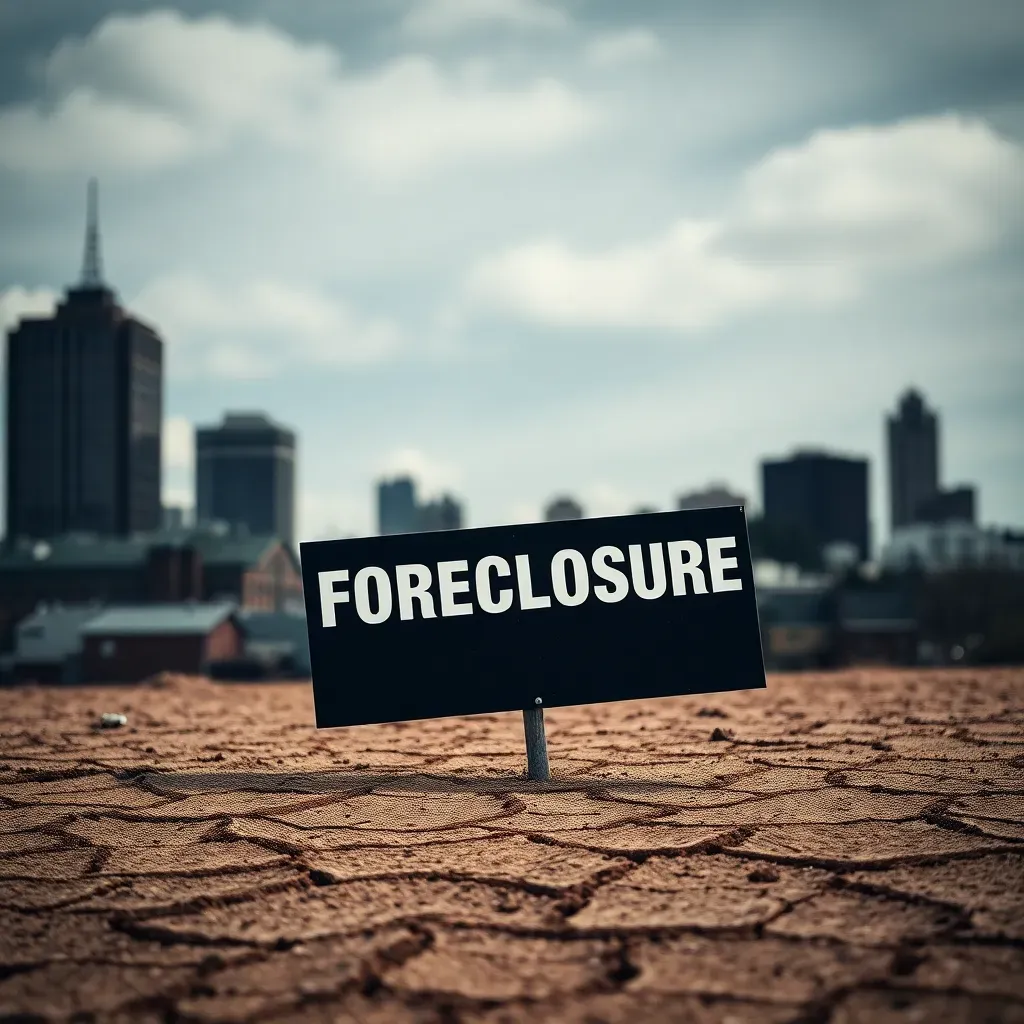
While some chase digital gold, the true leverage for the smart operator remains in tangible assets, specifically distressed real estate. Why? Because real estate, particularly pre-foreclosures, offers a level of intrinsic value and control that no purely digital asset can. You can walk the property, assess its condition, understand its market, and apply a clear, proven process to unlock its value. This isn't about speculation; it's about execution.
Consider the fundamental difference: a crypto asset's value is often driven by sentiment, adoption, and a complex web of technological and regulatory factors. A distressed property's value, on the other hand, is rooted in its physical presence, its location, the demand for housing, and the sweat equity you can put into it. When you buy a pre-foreclosure, you're not betting on a future technology; you're solving a problem for a homeowner and creating value through a structured process. This is the difference between gambling and investing.
### The Predictability of the Foreclosure Cycle
Veteran investor Sarah Jenkins, who specializes in probate and pre-foreclosures, often says, "While the stock market zigs and zags, and new asset classes emerge, people will always need a place to live. And unfortunately, people will always face financial hardship. That's the constant we operate on." Her point is critical: the underlying drivers of distressed real estate are human needs and economic cycles, which are far more predictable than the whims of a new tech trend.
When you understand the foreclosure process—the NOD, the NTS, the specific state timelines—you're operating within a structured, legal framework. You're not relying on a new protocol or a sudden surge in retail interest. You're engaging with a homeowner in a difficult situation, offering one of The Five Solutions to help them avoid a public auction. This is a service, a transaction, and an investment all rolled into one. It’s a business built on truth and structure, not on hype.
### Building Wealth on Solid Ground
The move by some lenders into crypto isn't a signal to follow; it's a signal to double down on what works. It highlights the ongoing search for yield, and where traditional finance sees risk in established markets, the astute distressed real estate operator sees opportunity. While others are chasing the next 10x digital coin, you can be securing a property at 60-70 cents on the dollar, renovating it, and either selling it for a profit or holding it for long-term cash flow and appreciation. This is how real, generational wealth is built – on tangible assets, not fleeting trends.
This business rewards discipline. It rewards those who understand the process, who can qualify a deal quickly using something like the Charlie 6, and who can execute with precision. It's about showing up, solving problems, and building value, not about riding the wave of speculative capital.
See the full system at [The Wilder Blueprint](https://wilderblueprint.com/get-the-blueprint/).