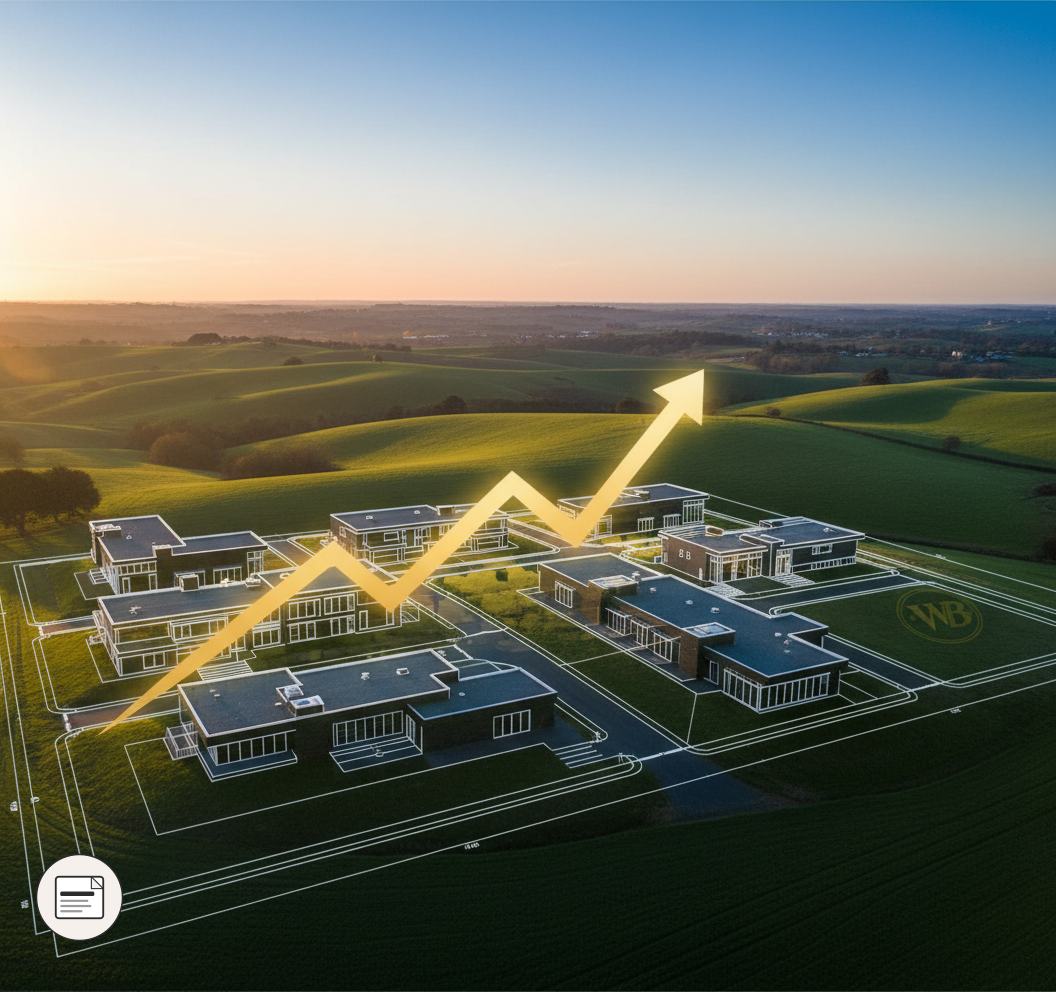
The recent news highlighting Kading Properties' active search for Iowa cities with significant workforce housing needs isn't just a local story; it's a flashing neon sign for real estate investors nationwide. This trend, driven by demographic shifts, rising interest rates, and a persistent supply-demand imbalance, is creating a robust, often overlooked, investment niche with substantial upside.
For investors who understand how to navigate market cycles and identify underserved segments, workforce housing represents a strategic pivot. We're not talking about Section 8 or low-income housing here, but rather housing for essential workers – teachers, nurses, tradespeople, first responders – who earn too much for traditional subsidies but too little to afford market-rate housing in increasingly expensive areas. This demographic is the backbone of any local economy, and their housing needs are non-negotiable.
**Identifying High-Potential Markets**
Just like Kading Properties, investors should be looking beyond the major metros. Secondary and tertiary markets, particularly those with stable employment bases (manufacturing, healthcare, education) and a lower cost of living, are prime targets. These areas often experience an influx of workers without a corresponding increase in housing supply, leading to acute shortages. Key indicators to watch include: declining rental vacancy rates (below 4%), increasing average rent-to-income ratios (above 30%), and a lack of new construction permits for multi-family or entry-level single-family homes.
"We're seeing a significant migration from coastal and major urban centers to more affordable, job-rich secondary markets," notes Dr. Evelyn Reed, a senior real estate economist at Cornerstone Analytics. "This isn't just about affordability; it's about quality of life and the ability to build equity. Investors who can provide quality, reasonably priced housing in these areas are tapping into a fundamental, long-term demand curve."
**Strategic Acquisition and Value-Add**
Foreclosure and pre-foreclosure opportunities are particularly relevant here. Properties that might be overlooked by institutional buyers in primary markets can be acquired at a discount in these emerging areas. A distressed single-family home or a small multi-unit property (duplex, fourplex) in a solid working-class neighborhood can be a goldmine. The strategy often involves acquiring properties at 60-70% of ARV, performing targeted renovations (kitchens, baths, energy efficiency upgrades) to bring them up to modern standards, and then renting them out at competitive, but not exorbitant, rates.
Consider a recent deal in a Midwestern city: a triplex purchased for $280,000 in pre-foreclosure, requiring $70,000 in renovations. Post-rehab ARV was $450,000. Each unit now rents for $1,200/month, generating $3,600/month in gross income. With conservative operating expenses, the NOI supports a strong cash-on-cash return, far exceeding what's achievable in a saturated primary market. This isn't speculative flipping; it's about creating long-term, stable cash flow.
**Financing and Risk Mitigation**
Financing for workforce housing projects can often be secured through conventional lenders, especially if the deal demonstrates strong cash flow and a clear demand. Local banks, often more attuned to community needs, can be excellent partners. Investors should also explore local and state housing initiatives that may offer incentives or favorable loan terms for projects addressing housing shortages.
"The key is understanding the local economic drivers and the specific needs of the workforce," advises Marcus Thorne, a veteran real estate investor with over 30 years in the field. "It's about providing a quality product at a price point that makes sense for the local wage earners. This approach inherently builds in a layer of recession-resilience, as these jobs are typically less volatile."
By focusing on these underserved markets and applying proven acquisition and value-add strategies, investors can not only achieve significant financial returns but also contribute positively to the economic stability of these communities. The opportunity is real, and the time to act is now.
*Ready to dive deeper into identifying and executing high-yield real estate investments? The Wilder Blueprint offers advanced training and resources to help you master foreclosure investing, short sales, and strategic property acquisitions. Visit our website to learn more.*