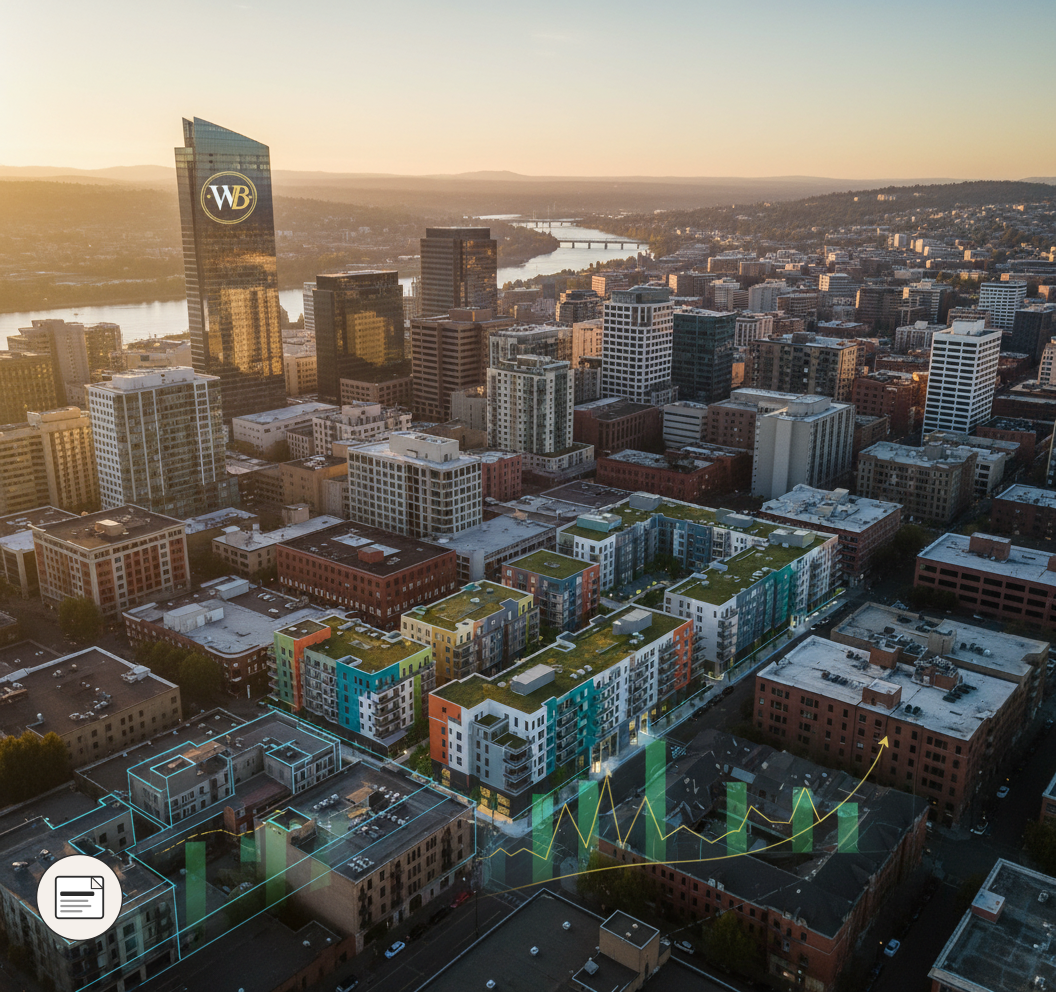
The landscape of urban real estate investment is constantly shifting, and astute investors know that regulatory changes often precede significant market opportunities. Portland, Oregon, a city often at the forefront of urban planning, has quietly implemented a series of zoning reforms that are now being hailed as a "secret weapon" for building more affordable housing – and, crucially, for unlocking new avenues for real estate investors.
At its core, Portland's strategy involves a dramatic loosening of single-family zoning restrictions. Historically, large swaths of American cities were zoned exclusively for detached single-family homes, limiting density and driving up land costs. Portland has largely eliminated this, allowing duplexes, triplexes, and even fourplexes on lots previously reserved for one home. This isn't just about adding units; it's about fundamentally changing the economics of residential development.
**The Investment Advantage: Density and Affordability**
For investors, this shift translates directly into increased potential yield. A single-family lot that might have supported one rental property can now potentially house two, three, or even four, significantly boosting rental income per square foot of land. This increased density allows developers to spread land acquisition costs across multiple units, making each unit inherently more affordable to build and, subsequently, to rent or sell.
“We’re seeing a paradigm shift in how urban infill is approached,” says Marcus Thorne, a veteran real estate investor with over 30 years in the Pacific Northwest market. “A lot that was once a tear-down for a new single-family home can now be a goldmine for a multi-unit conversion or new build. The ARV calculation changes dramatically, and your cap rates can be significantly higher, especially in areas with strong rental demand.”
This strategy is particularly potent for investors focused on foreclosure and pre-foreclosure acquisitions. Distressed single-family homes on well-located lots, once limited to a single-family exit strategy, now present opportunities for conversion or redevelopment into multi-unit properties. The ability to add units can transform a marginal deal into a highly profitable one, especially when factoring in the lower basis typically associated with foreclosure purchases.
**Navigating the New Regulatory Landscape**
While the opportunity is clear, executing on it requires a deep understanding of the new regulations. Investors must familiarize themselves with local zoning codes, setback requirements, parking mandates (or lack thereof), and design guidelines for multi-unit conversions or new construction. It's not a free-for-all; it's a structured opportunity.
“The key is due diligence,” advises Sarah Chen, a real estate development consultant specializing in urban infill. “Understand the specific allowances for each zone. Some areas might permit ADUs (Accessory Dwelling Units) in addition to duplexes, further increasing density. Others might have specific design review processes. Don’t just assume; verify every detail with the planning department.”
Cities like Minneapolis, Seattle, and even parts of California are now studying or implementing similar reforms, recognizing Portland's success in addressing housing shortages and affordability. This trend suggests that what’s working in Portland today could be the next major investment frontier in other metropolitan areas tomorrow.
**Actionable Insight for Investors**
Investors should actively research local zoning changes in target markets. Look for initiatives promoting increased density, particularly in areas previously dominated by single-family zoning. Identify properties (especially distressed assets) on lots that are now eligible for multi-unit development. This forward-looking approach to regulatory analysis can uncover undervalued assets and create significant equity and cash flow opportunities.
Understanding these evolving market dynamics is critical for maximizing your investment returns. For a deeper dive into identifying and capitalizing on these emerging trends, explore The Wilder Blueprint's advanced training programs.