Another month, another subscription price hike. Netflix just announced its standard ad-free plan is jumping to $19.99, with the premium tier hitting $26.99. For many, it's just a few extra dollars, easily absorbed. But for a significant portion of the population, these small, incremental increases are not isolated incidents. They are part of a relentless financial creep that erodes household budgets, one streaming service, one grocery bill, one insurance premium at a time.
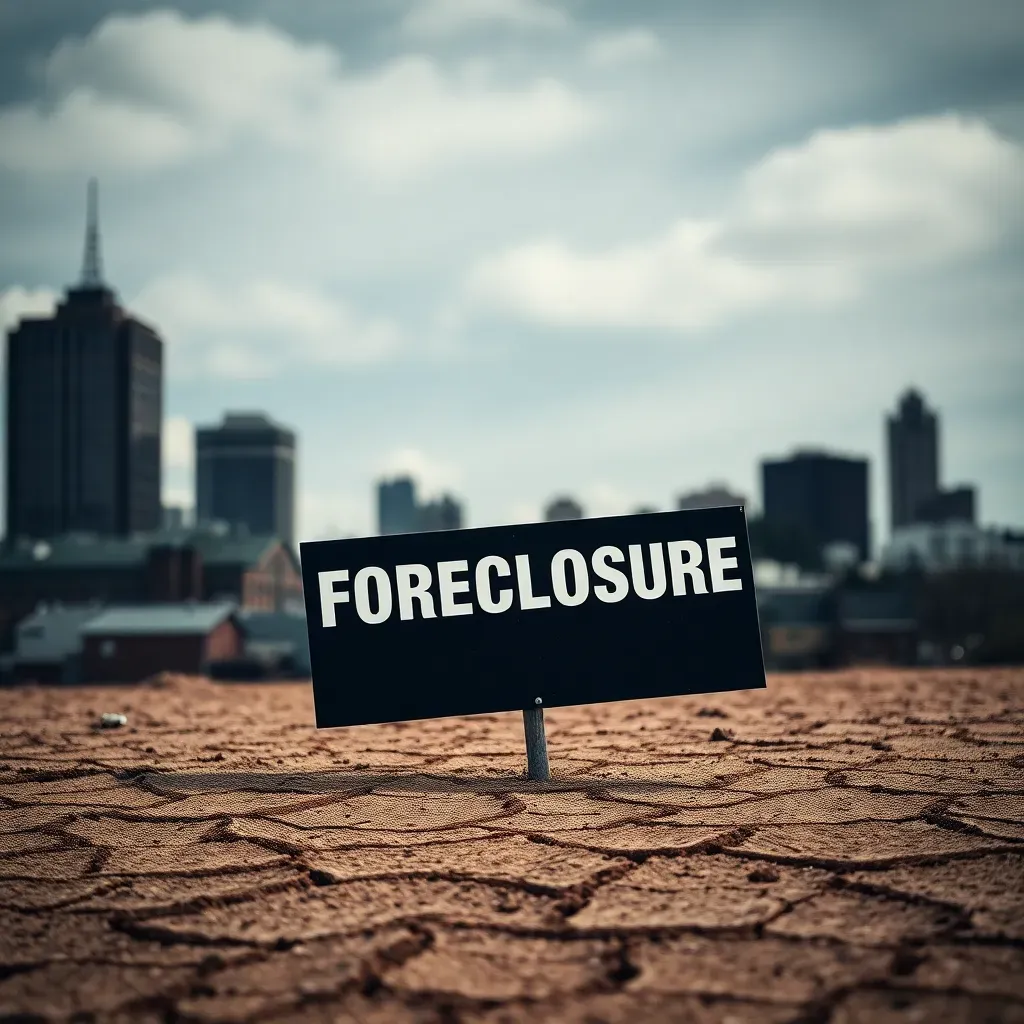
This isn't about whether you can afford Netflix. This is about understanding the cumulative pressure on the average American household. Each "small" increase, whether it's for entertainment, food, or fuel, chips away at discretionary income, then essential income, until there's nothing left. This silent drain is a powerful, often overlooked, driver of financial distress, pushing homeowners closer to the edge of default and into the pre-foreclosure pipeline. It's a fundamental truth: when the cost of living outpaces income growth, something has to give. And too often, that something is the mortgage payment.
As an operator in the distressed real estate space, your job isn't to judge how people spend their money. Your job is to understand the forces at play and position yourself to provide solutions. These micro-economic shifts create macro-level opportunities for those who are prepared and disciplined. When a homeowner is struggling, it's rarely one big event that causes the problem. It's usually a series of smaller financial blows, like these rising subscription costs, that accumulate until the mortgage becomes unaffordable. This is why the pre-foreclosure market is always active, regardless of broader economic indicators. The underlying financial fragility is constant.
Your advantage lies in recognizing this pattern and being the first, most credible, and most empathetic solution provider. While others chase the latest market fad, you're looking at the bedrock of financial struggle. This means understanding the homeowner's true situation, not just the property's value. "Many investors get caught up in the property's ARV and forget to diagnose the homeowner's actual problem," notes Sarah Chen, a veteran real estate analyst. "The property is just a symptom; the financial strain is the disease."
When you approach a pre-foreclosure, you're not just offering to buy a house. You're offering a resolution path out of a compounding financial nightmare. This requires a structured approach, not a desperate pitch. You need to quickly assess the homeowner's situation, understand their motivations, and present options that genuinely solve their problem. This might mean a quick cash sale, a lease-option, or even helping them navigate a short sale. The Charlie 6, for instance, isn't just about property metrics; it's about understanding the homeowner's timeline, their equity position, and their desire for a clean exit – all factors influenced by the slow bleed of everyday expenses.
This isn't about exploiting hardship; it's about providing a lifeline. The homeowner is already in distress, and the alternative is often a public auction, a damaged credit score, and potentially no equity. Your role is to intervene with structure and clarity, offering a private, dignified solution. "The best deals aren't found; they're created through understanding and solving problems," says David Miller, a long-time distressed asset manager. "When you fix the homeowner's problem, the property deal naturally follows."
Focus on being the calm, capable presence in a chaotic situation. Understand that every small price increase, every unexpected bill, pushes more people into a position where they need a discreet, professional exit strategy. Be the operator who provides it, without sounding desperate, pushy, or like you just discovered YouTube.
Start with the foundations at The Wilder Blueprint — the entry point for serious distressed property operators.