You see headlines about multi-million dollar deals, like the recent $286 million financing secured by Sunday PropTech to acquire and reposition a 38-hotel portfolio. It's easy to dismiss these as "big money" plays, far removed from your world of single-family pre-foreclosures. But that's a mistake. These large commercial transactions are not just isolated events; they are seismic indicators of underlying market conditions that directly impact every residential real estate operator.
When institutional capital, like Citi and Access Point, pours hundreds of millions into repositioning hotels, it's a clear signal: there's distress, and there's perceived value in turning it around. These aren't just buying and holding. They're acquiring, renovating, and rebranding – the commercial equivalent of a flip. The fact that eight of these hotels were acquired from a joint venture between Blackstone and Starwood Property Group, two giants, further underscores that even the biggest players are shedding assets that no longer fit their strategy or are underperforming. This isn't about a single bad deal; it's about a broader recalibration.
So, what does a $286 million hotel deal have to do with your next pre-foreclosure acquisition? Everything. This commercial distress creates a ripple effect. When large portfolios are being repositioned, it often means jobs are shifting, local economies are adapting, and the overall perception of real estate stability is in flux. This uncertainty, while challenging for some, is precisely what creates opportunities for the disciplined operator in the residential space.
Consider the capital. When institutional investors are deploying hundreds of millions into commercial assets, it can sometimes pull capital away from other sectors, or it can signal a broader tightening of lending standards for less attractive assets. For the residential investor, this means a few things. First, it validates the strategy of acquiring distressed assets below market value. The big boys are doing it, just on a different scale. Second, it can lead to a more conservative lending environment overall, which can push more homeowners into pre-foreclosure situations as traditional refinance options dry up or equity lines become harder to access.
"The smart money doesn't just buy; it buys when others are forced to sell or are looking to reallocate," notes Sarah Jenkins, a veteran real estate analyst specializing in distressed assets. "These large commercial plays are a bellwether. They tell us where the market is soft, and often, that softness trickles down to the residential side in the form of increased pre-foreclosures or motivated sellers."
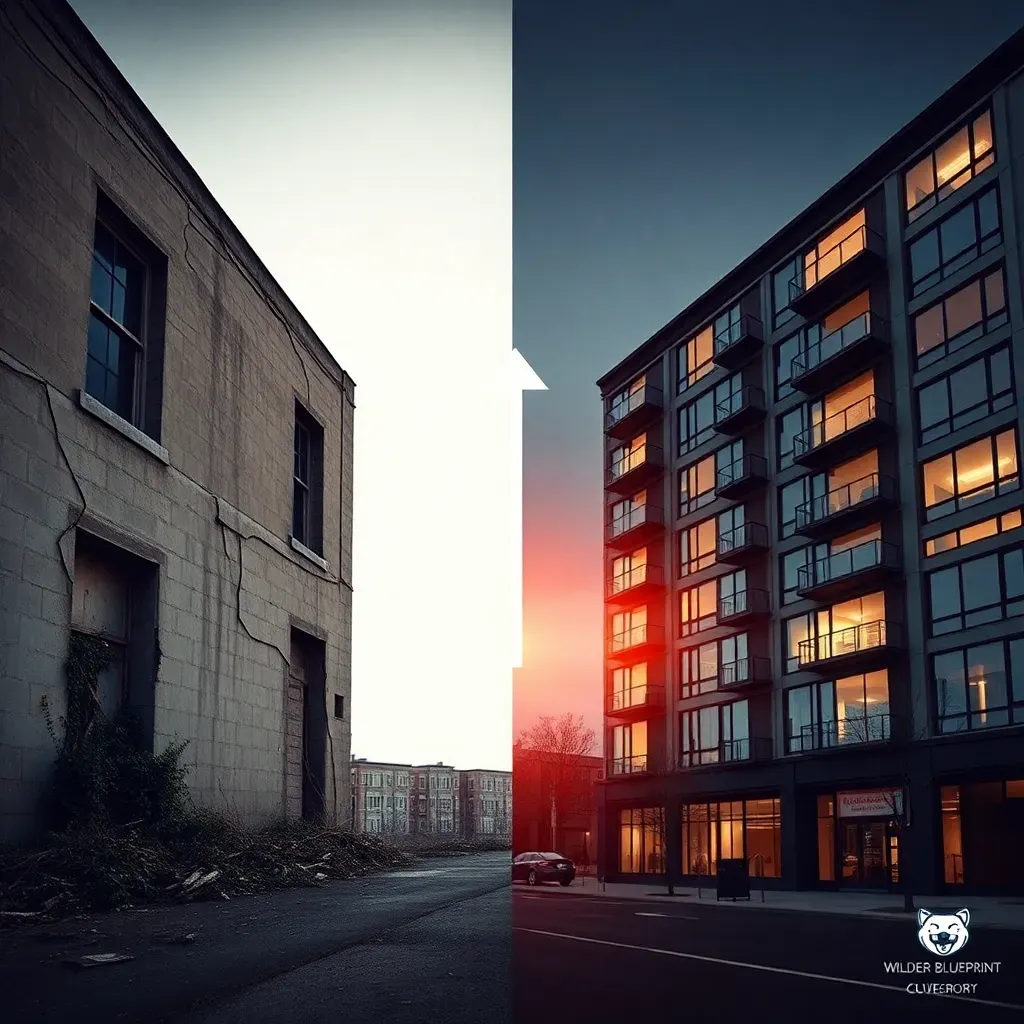
Furthermore, the repositioning strategy itself offers a lesson. These hotels aren't just being bought; they're being *fixed*. They're being upgraded to meet new market demands. This is the core of what we do in residential distressed investing. You're not just buying a house; you're buying a problem and providing a solution – whether that's a quick flip, a long-term rental, or a creative financing solution for the homeowner. The principle of adding value through strategic improvement is universal.
"Don't get caught up in the scale; focus on the signal," advises Mark Thompson, a commercial real estate strategist. "When you see major players divesting and others recapitalizing, it's not just a commercial story. It's a market story. It means assets are changing hands, and often, at a discount to their potential value. That's the playbook for any distressed investor."
Your job as a pre-foreclosure operator isn't to chase these massive commercial deals. It's to understand the underlying currents they represent. Increased commercial distress can lead to more residential distress. It can mean more motivated sellers, more opportunities to apply the Charlie 6 to quickly diagnose a deal, and more chances to provide one of The Five Solutions to homeowners in need. This isn't about being desperate or pushy; it's about being prepared, disciplined, and ready to execute when the market shifts.
See the full system at [The Wilder Blueprint](https://wilderblueprint.com/get-the-blueprint/).