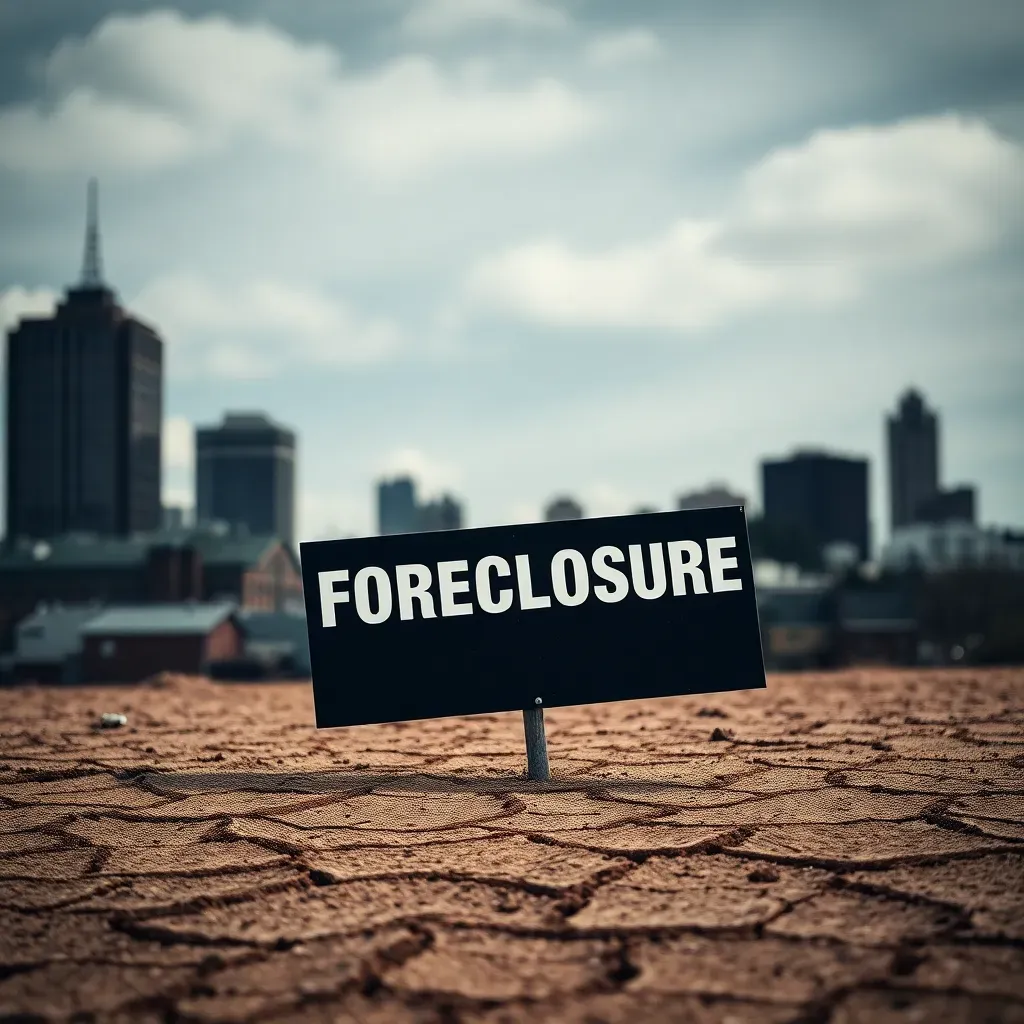
The news about Pitt's initiative to train rural dental providers highlights a critical point: essential services are often lacking in underserved areas. This isn't just about healthcare; it's a symptom of a broader economic reality. When communities struggle to attract and retain professionals like dentists, it's a clear indicator of underlying challenges – and often, overlooked opportunities.
Most people see this as a problem, and it is. But for the disciplined distressed real estate operator, it's a signal. It tells you where the market isn't functioning optimally, where traditional capital isn't flowing, and where the most significant value can often be created. The same forces that make it hard to staff a dental office can also contribute to property distress, creating a fertile ground for those who understand how to operate in these environments.
"The market always tells you a story," says Sarah Jenkins, a seasoned real estate analyst focusing on secondary markets. "When you see a void in basic services, it often correlates with an aging housing stock, lower property values, and a higher incidence of pre-foreclosures. It's not a coincidence; it's a connected economic ecosystem."
Your job as an operator isn't to solve the rural healthcare crisis, but to understand what it implies for property values and distress. When you identify these areas, you're looking at markets where properties are more likely to be neglected, owners are more likely to be cash-strapped, and competition from institutional buyers is often lower. This is where you find deals that the mainstream misses.
So, how do you translate this insight into action? First, understand that a lack of services often means a lack of liquidity in the local housing market. Properties might sit longer, and owners might be more motivated to sell quickly, even at a discount. This opens the door for pre-foreclosure acquisitions, where you can offer a solution to a homeowner facing a difficult situation, often before the property ever hits the auction block. Your ability to close fast and offer a fair, discreet solution becomes incredibly valuable.
Second, consider the long-term play. While a lack of services might depress values now, initiatives like the one at Pitt are designed to fill those gaps. As these communities slowly rebuild their service infrastructure, property values will stabilize and eventually appreciate. Your investment isn't just in a distressed asset; it's in the underlying potential of a community that is working to improve itself. This is where the "homegrown" approach becomes relevant to you: local solutions, whether in healthcare or housing, create sustainable value.
"We've seen it repeatedly," notes Michael Chen, a regional market strategist. "Areas that invest in local talent and infrastructure, even if it's slow, eventually see a return in property values. The smart money gets in before that curve really takes off, acquiring assets at a discount and positioning them for future growth."
When you're evaluating a deal in these markets, your Charlie 6 diagnostics become even more critical. You're not just looking at the property itself, but the broader community context. What are the local employment drivers? What is the average age of the housing stock? What are the local initiatives trying to bring services back? These factors influence your "Keep, Exit, Walk" decision and your ultimate resolution path for the property.
This business isn't just about tactics; it's about how you show up. It's about understanding the deeper currents of a market, seeing opportunity where others see only problems, and providing solutions to homeowners who need them. The operators who thrive are the ones who can connect these dots, turning community needs into strategic advantage.
Start with the foundations at The Wilder Blueprint — the entry point for serious distressed property operators.