Another day, another headline about the National Association of Realtors (NAR) and antitrust lawsuits. This time, a magistrate recommended dismissing a suit, citing "deficient pleading and AI fake citations."
Let's be clear: the legal landscape surrounding NAR and commissions is complex and evolving. It's easy to get caught up in the drama, to speculate about what it means for the industry, for commissions, for the future of real estate. But for you, the operator who's serious about building a business in distressed property, this news is a distraction. A luxury you cannot afford.
Your business isn't built on the whims of legal battles or the shifting sands of association policies. It's built on finding motivated sellers, understanding their problems, and offering solutions. It's built on disciplined execution, not on waiting for the market to grant you permission to operate.
"The noise around NAR is just that – noise," says Sarah Jenkins, a veteran real estate attorney specializing in property transactions. "Good operators don't let external legal battles dictate their strategy. They adapt, they innovate, and they focus on their core value proposition to homeowners."
So, what does this mean for the operator who's paying attention? It means doubling down on the fundamentals. While others are debating commission structures, you should be perfecting your outreach to pre-foreclosure homeowners. While they're speculating on market shifts, you should be mastering your deal qualification process, like the Charlie 6, to identify profitable opportunities quickly.
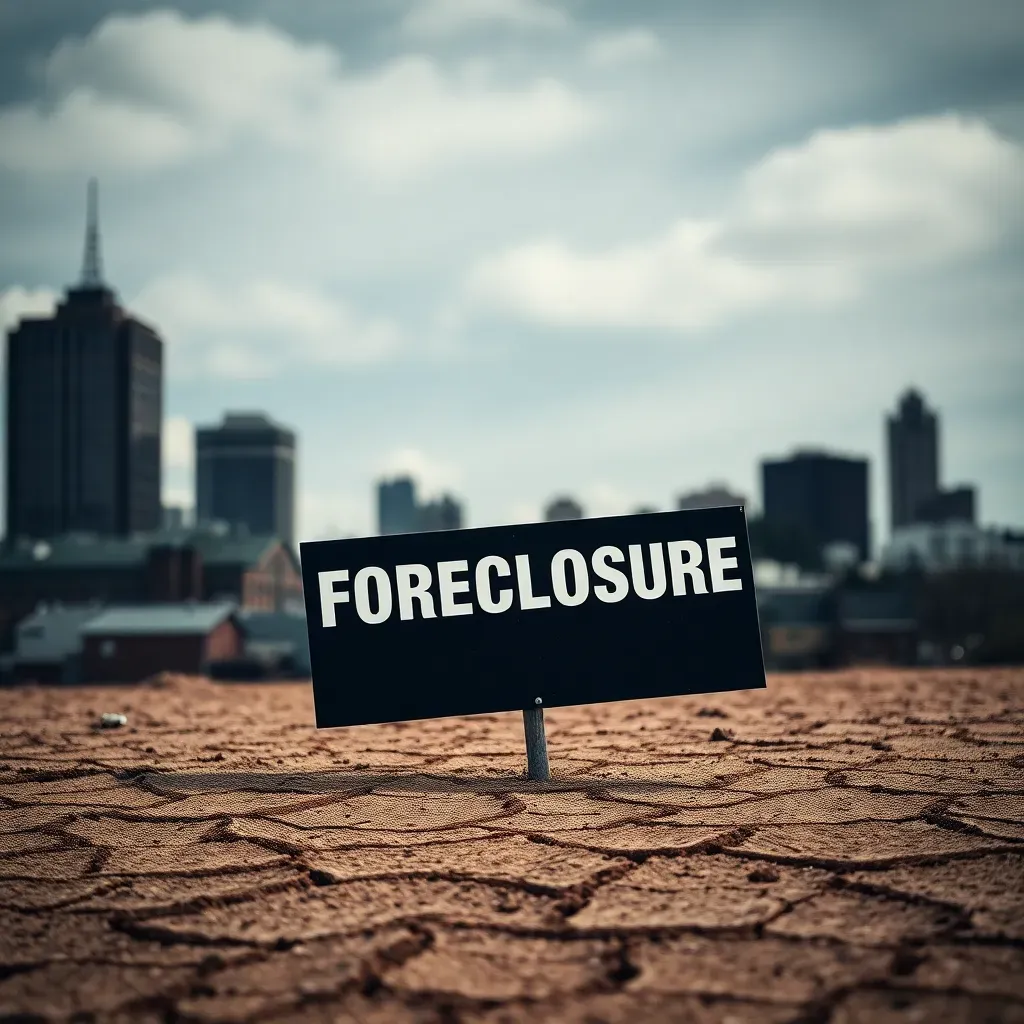
The real estate business, especially in the distressed space, rewards structure, truth, and execution. The homeowners facing foreclosure don't care about NAR's legal woes. They care about avoiding public auction, preserving their credit, and getting a fair deal. Your job is to be the solution to *their* problem, not to get tangled in industry-wide debates that are largely out of your control.
Consider the practical implications: if commission structures change, it might affect how some agents operate. But does it change the fact that a homeowner in default needs a buyer who can close fast and handle their situation with discretion? No. Does it change the fact that you can acquire properties at a discount by solving problems others can't or won't? Absolutely not.
"We've seen countless industry shifts over the decades," notes Mark Thompson, a seasoned investor with a portfolio spanning multiple states. "The operators who thrive are the ones who stay agile, who understand that their success isn't tied to any single market condition or regulatory framework, but to their ability to consistently find and close deals."
Your energy is a finite resource. Spend it on what moves the needle: identifying pre-foreclosure leads, building rapport, analyzing deals, and executing your resolution paths. Don't let the headlines pull you off course. The opportunity in distressed real estate is constant, regardless of who is suing whom.
Stay focused on your process. Master the art of connecting with homeowners, understanding their needs, and providing clear, structured solutions. That's where the real business is built.
See the full system at [The Wilder Blueprint](https://wilderblueprint.com/get-the-blueprint/).