There's a quiet revolution happening in communities across the country, often overlooked by those focused solely on the bottom line. News reports, like the one from WYMT about the HCTC mobile training unit bringing job opportunities to people in recovery, highlight a critical truth: talent exists everywhere, especially where there's a will to rebuild lives.
For most businesses, hiring is a reactive process – post a job, sift through resumes, interview. But for the disciplined operator in distressed real estate, this news isn't just a feel-good story; it's a signal. It's a reminder that opportunity often lies in the margins, in the places others deem too complex or too challenging. While some see a 'recovery program,' the astute investor sees a pool of individuals actively seeking purpose, structure, and a chance to prove themselves – qualities that are gold in this business.
This isn't about charity; it's about strategic advantage. The distressed property business, whether you're flipping, wholesaling, or holding, relies heavily on execution. You need reliable hands for cleanouts, demo, light rehab, property maintenance, and even administrative support. The traditional labor market is tight, and good help is expensive and hard to find. But what if you could tap into a motivated workforce that values stability and a fair shot more than a slightly higher hourly rate?
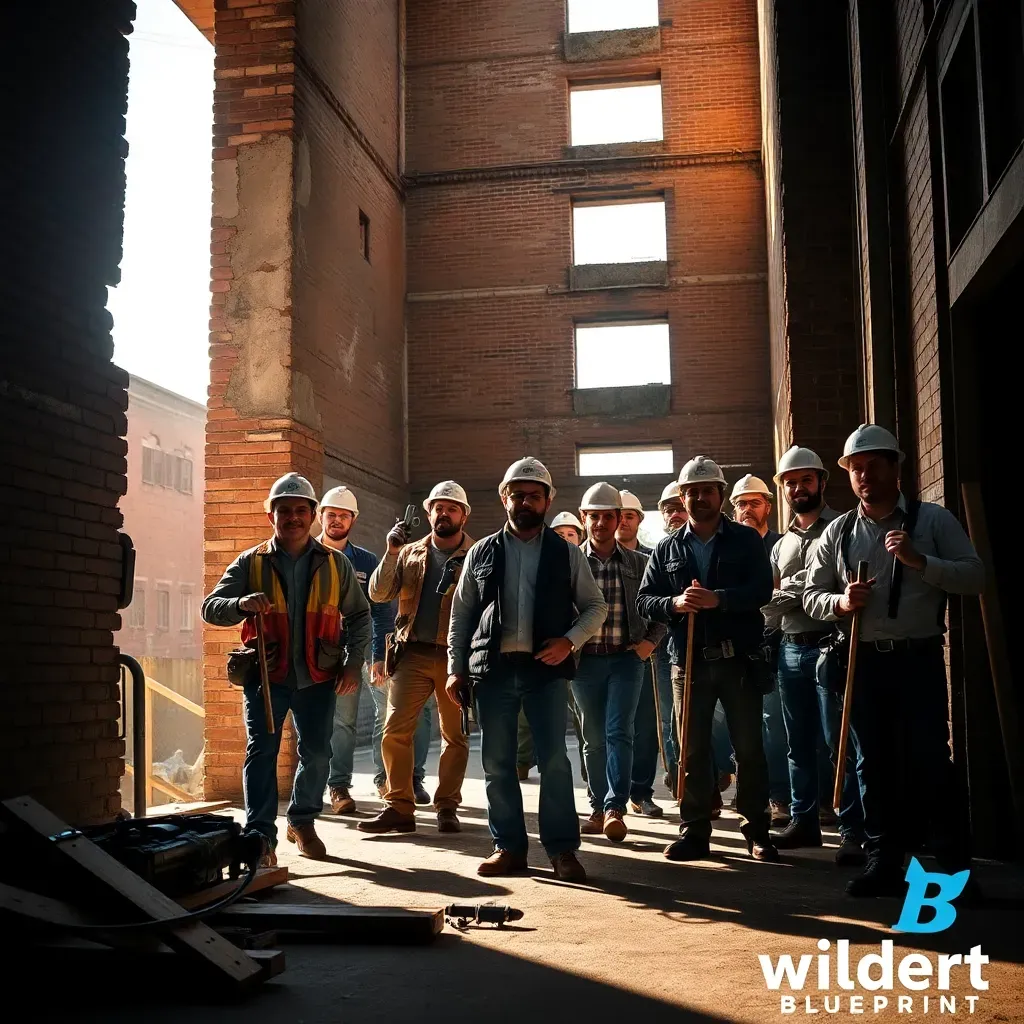
Consider the practical application. Many recovery programs, like the one mentioned, focus on developing tangible skills – construction, maintenance, logistics. These are precisely the skills needed on a pre-foreclosure cleanout, a light cosmetic flip, or even managing a rental portfolio. Instead of just looking for 'experienced' workers, look for 'trainable' and 'motivated' individuals. Partnering with local recovery centers, vocational programs, or community outreach initiatives can provide a pipeline of workers who are not only eager but often come with built-in support systems and accountability structures.
"We started small, just offering a few cleanout jobs to a local recovery program," says Mark Jensen, a seasoned investor in Ohio. "What we found wasn't just labor; it was loyalty. These guys showed up on time, worked hard, and took pride in their work. They knew this was a chance to rebuild, and they treated our projects like their own." This isn't just about filling a role; it's about creating a dependable team that understands the value of a second chance.
This approach aligns perfectly with the core principles of distressed real estate. You're solving problems – for homeowners, for communities, and in this case, for individuals. You're taking an undervalued asset (a person seeking re-entry) and providing the opportunity for them to add value, both to your business and to their own lives. It's a powerful synergy that builds goodwill and a robust talent pool.
It requires a different kind of leadership. It demands clarity, structure, and a commitment to mentorship, not just management. You're not just giving orders; you're providing a framework for success. This is where the discipline of a structured operation truly shines. Your processes for project management, quality control, and team communication become even more critical, ensuring that everyone, regardless of background, understands expectations and can contribute effectively.
Building a business that not only profits but also contributes to the community's well-being is a hallmark of a truly dangerous operator – dangerous in the right way. It's about seeing beyond the obvious, leveraging overlooked resources, and executing with precision. This isn't just about finding labor; it's about building a better business and a stronger community, one deal and one opportunity at a time.
See the full system at [The Wilder Blueprint](https://wilderblueprint.com/get-the-blueprint/).