As seasoned investors, we often look for the underlying currents that create opportunity. While headlines typically focus on economic indicators or interest rates, a deeper, more somber trend is quietly shaping distressed real estate markets across the nation: the opioid crisis.
A recent report from The University Daily Kansan highlighting the KU Senate's move to mandate Narcan training underscores the pervasive nature of this public health emergency. While the immediate focus is on saving lives, the long-term societal and economic ripple effects are profound, directly impacting property values, ownership stability, and the inventory of distressed assets.
This isn't about capitalizing on tragedy; it's about understanding the forces at play and, where appropriate, providing solutions that can stabilize communities and properties. As Adam Wilder often emphasizes, distressed real estate is frequently a symptom of deeper personal or societal challenges. The opioid crisis is a prime example.
**The Silent Foreclosure Driver: Opioid Crisis Mechanics**
The connection between the opioid crisis and distressed real estate isn't always overt, but it's consistently present in various forms:
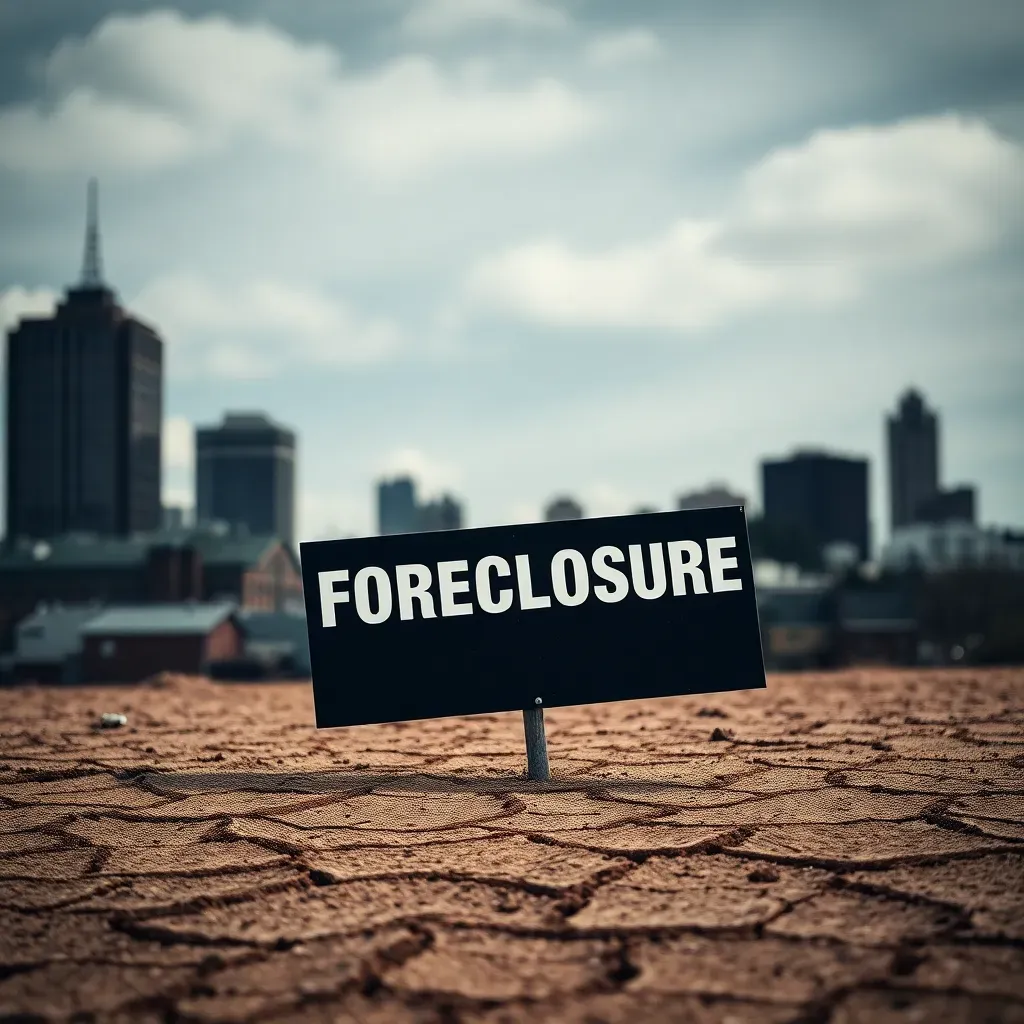
* **Financial Ruin:** Addiction is expensive. Medical bills, treatment costs, legal fees, and lost income due to inability to work can quickly decimate household finances. This financial strain often leads to missed mortgage payments, property tax delinquencies, and ultimately, foreclosure. * **Neglect and Deterioration:** Properties owned by individuals or families struggling with addiction often suffer from neglect. Maintenance is deferred, repairs are ignored, and the property's condition deteriorates rapidly. This creates properties that are less marketable and often require significant capital injection, making them ideal targets for investors skilled in renovation. * **Probate and Inheritance Issues:** Tragic overdose deaths leave behind estates that often enter probate. If there are multiple heirs, or if the deceased had significant debt, the property can become entangled in legal complexities, leading to a forced sale or a prolonged period of vacancy and neglect. * **Community Impact and Blight:** Clusters of properties affected by addiction can contribute to neighborhood blight, driving down property values for surrounding homes. Investors who can acquire and rehabilitate these properties play a crucial role in community revitalization.
**Identifying Opportunities: Beyond the MLS**
To identify properties impacted by the opioid crisis, you need to look beyond traditional MLS listings. This requires a more proactive, boots-on-the-ground approach, consistent with the strategies taught in The Wilder Blueprint:
1. **Public Records Research:** Delinquent property taxes, code violations (especially those related to neglect or safety), and probate filings can all signal distress. Look for patterns in specific neighborhoods or zip codes that have been hit hard by the crisis. 2. **Driving for Dollars & Neighborhood Observation:** Physically driving through target neighborhoods allows you to spot properties exhibiting signs of neglect: overgrown yards, broken windows, boarded-up doors, accumulation of trash, or properties that appear vacant for extended periods. These are often indicators of underlying issues. 3. **Networking with Local Professionals:** Build relationships with probate attorneys, social workers, code enforcement officers, and even local law enforcement. While they cannot disclose confidential information, they often have a pulse on which areas or types of properties are experiencing challenges. They can also be a source of referrals when families need to liquidate assets quickly and discreetly. 4. **Understanding Local Demographics:** Research local health department data or news reports on areas with higher rates of opioid-related incidents. While sensitive, this data can inform your geographic targeting for proactive outreach.
**The Resolution Path: Strategic Approaches**
Once a potential property is identified, applying Adam's "Resolution Paths" framework is critical. These properties often require a delicate touch and a clear strategy:
* **Direct-to-Seller Outreach:** Many families facing these challenges are overwhelmed and looking for a discrete, fast solution. A compassionate, direct approach offering a fair cash offer can be a lifeline. Your ability to close quickly, without traditional financing contingencies, is a significant advantage. * **Probate Acquisitions:** Properties tied up in probate due to opioid-related deaths can be excellent opportunities, but they require patience and a thorough understanding of the legal process. Building relationships with probate attorneys is key here. * **Tax Lien/Deed Investing:** Properties with long-standing tax delinquencies often indicate severe financial distress, which can stem from addiction. This path requires a deep understanding of local tax sale laws. * **Code Violation Enforcement:** Properties with numerous code violations due to neglect are often ripe for acquisition. Engaging with code enforcement departments can provide leads and insights into properties that owners are struggling to maintain.
This isn't just about finding cheap houses; it's about understanding the human element behind the distress. Approaching these situations with empathy, professionalism, and a clear problem-solving mindset is paramount. You're not just buying a house; you're often helping a family navigate a difficult situation and, in many cases, contributing to the revitalization of a community.
Understanding these nuanced drivers of distressed real estate is a hallmark of a truly strategic investor. This is one of the core frameworks covered in The Wilder Blueprint training program, where we delve into the tactics and systems for identifying, evaluating, and acquiring these complex deals. Want the full system? See The Wilder Blueprint at wilderblueprint.com.
*Disclaimer: Real estate investing involves risks, including the potential loss of capital. The information provided is for educational purposes only and does not constitute financial or legal advice. Always consult with qualified professionals before making investment decisions. When dealing with distressed properties, approach situations with sensitivity and adhere to all ethical and legal guidelines.*