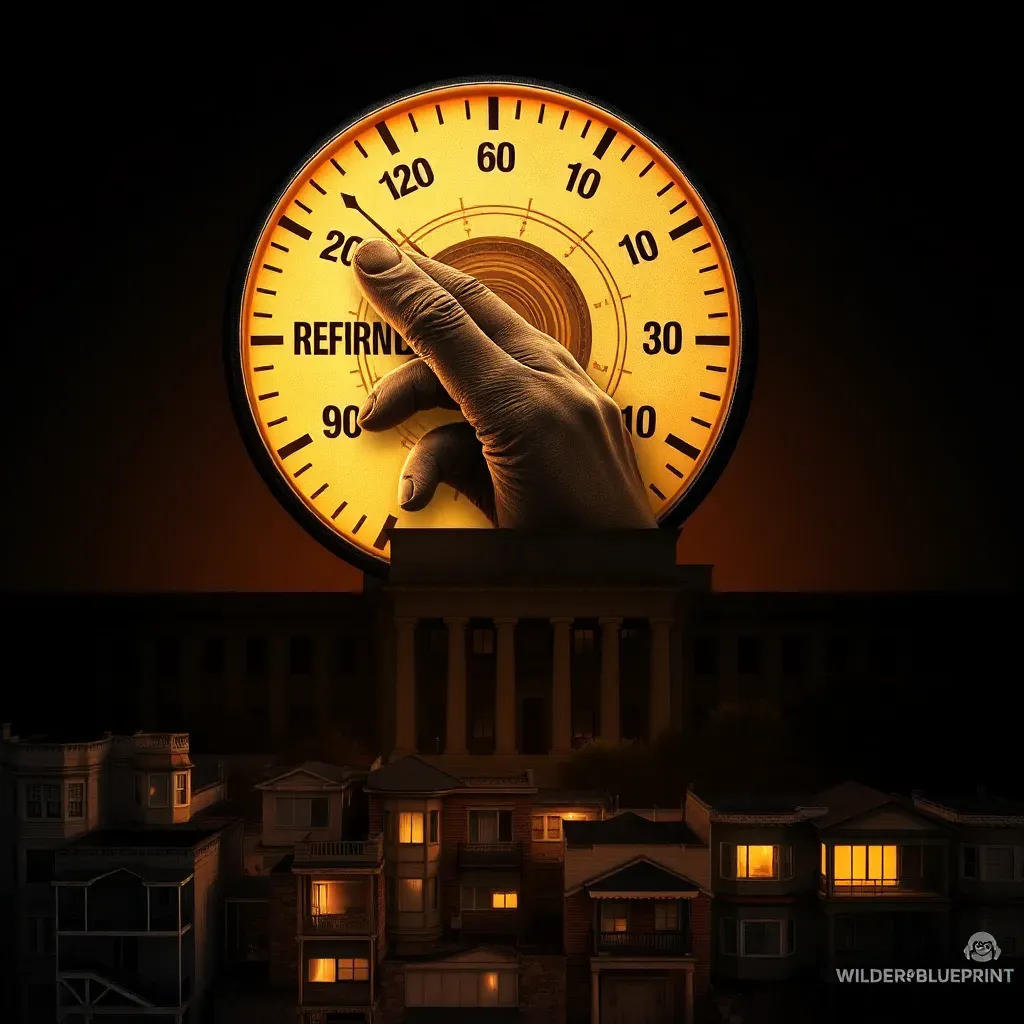
When we talk about the Federal Reserve, most people fixate on interest rates. It's the headline grabber, the immediate impact everyone feels. But the Fed chair's agenda, as seen with figures like Kevin Warsh, goes far beyond just tweaking rates. It's about the fundamental structure of monetary policy, financial regulation, and the overall stability of the economy. This isn't just academic chatter; these broader policy shifts create the currents that either lift or sink real estate markets, especially the distressed sector.
For the disciplined operator, understanding these deeper currents is paramount. While the average investor is reacting to yesterday's news, you should be positioning yourself for tomorrow's opportunities. A Fed focused on, say, quantitative tightening or stricter bank lending standards, isn't just making life harder for big banks; it's subtly, but powerfully, influencing the flow of capital, the availability of credit, and ultimately, the number of properties that fall into distress. This is where your edge is built.
Consider the ripple effect. A Fed chair pursuing a more hawkish, anti-inflationary stance, even if it means slower economic growth, can lead to a tightening of credit markets. Banks become more conservative, making it harder for homeowners to refinance or for new buyers to qualify for loans. This can exacerbate existing financial stress for homeowners already on the edge, pushing more properties into pre-foreclosure. "We've seen cycles where regulatory shifts, not just rate hikes, were the primary driver of increased distressed inventory," notes Sarah Jenkins, a seasoned real estate analyst. "The smart money was already positioned for it."
Furthermore, a focus on reducing the Fed's balance sheet, or unwinding previous stimulus measures, pulls liquidity out of the system. This isn't just about the stock market; it impacts everything from commercial real estate valuations to the ability of smaller lenders to operate. Less liquidity means less easy money, which means more pressure on overleveraged assets or individuals. For the distressed property operator, this isn't a threat; it's a signal. It tells you where the next wave of opportunity will come from, allowing you to refine your targeting and outreach strategies.
Your job isn't to predict the exact policy, but to understand the *implications* of potential shifts. If the Fed signals a move towards stricter financial oversight, you should be looking at markets with higher concentrations of adjustable-rate mortgages or areas prone to economic shocks. If the focus is on reducing inflation at all costs, you should anticipate a potential increase in unemployment, which directly correlates with mortgage defaults. This foresight allows you to allocate your marketing spend more effectively, focus your lead generation on specific demographics, and prepare your capital for when these opportunities inevitably surface.
This isn't about being an economic pundit; it's about being a strategic operator. It's about fixing the frame of your business to align with the larger economic picture. You don't need to be desperate or pushy when you understand the underlying forces creating the deals. You just need to be prepared, disciplined, and ready to execute when the market aligns with your strategy. "The market always tells you what's coming if you're listening," says Mark Peterson, a veteran investor specializing in REO acquisitions. "Most people are just too busy complaining about the weather to hear it."
Understanding these broader economic forces and how they translate into tangible real estate opportunities is a core component of building a resilient distressed property business. It moves you beyond chasing individual leads to anticipating market shifts and positioning yourself strategically.
See the full system at [The Wilder Blueprint](https://wilderblueprint.com/get-the-blueprint/).