We hear a lot of noise about the housing market. "It's dead," some say. "Too expensive," others lament. But the truth is, human nature doesn't change as fast as market cycles. People still want a place of their own. A recent RBC poll out of Canada confirms this: despite high prices and interest rates, 67% of Canadians still aspire to own a home, an increase from last year.
This isn't just a Canadian phenomenon; it's a fundamental human desire playing out across North America. The dream isn't dead; it's just getting harder to achieve through conventional means. This is where the smart operator steps in. While many are wringing their hands about affordability, you should be seeing the evolving landscape as a clear signal: the supply of traditional, move-in-ready homes is out of reach for a growing segment of the population, creating a demand for alternatives. And distressed properties are often the most viable alternative.
### The Opportunity in the Gap
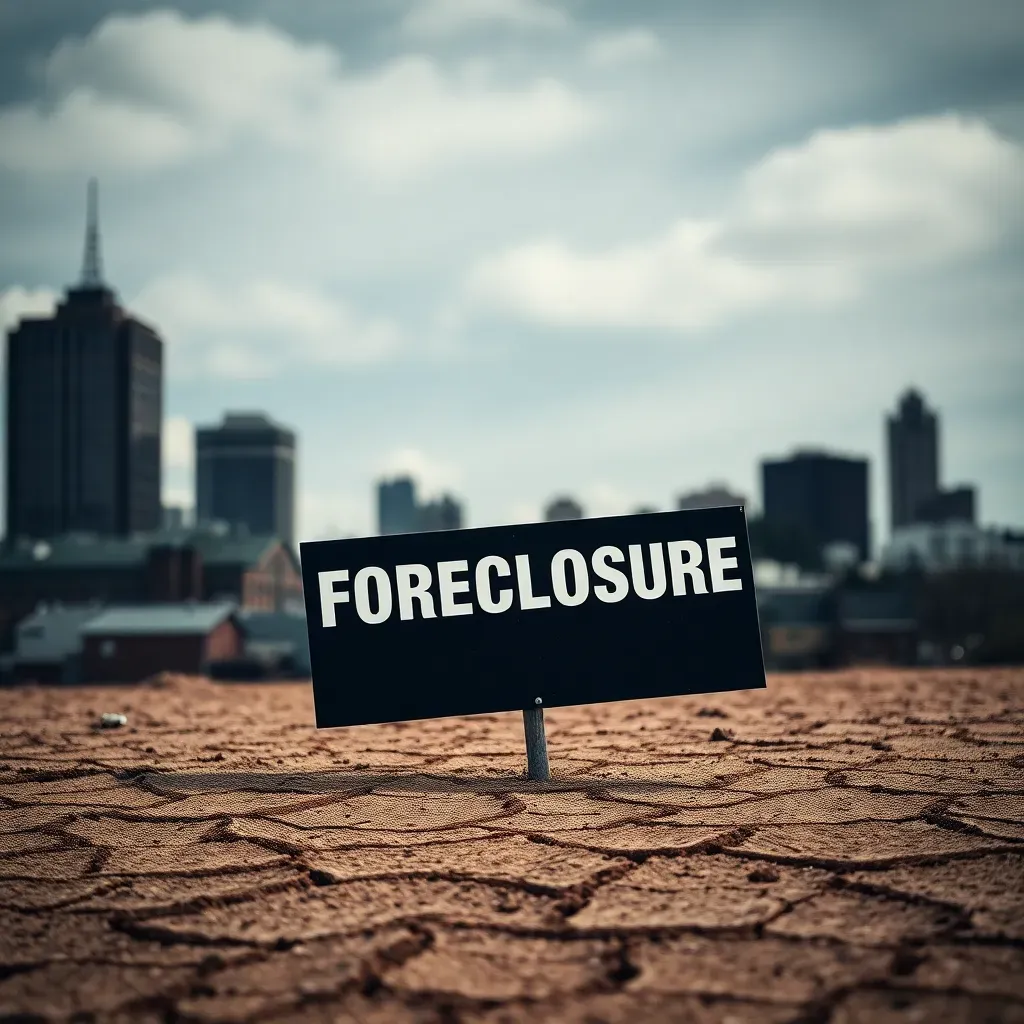
When the conventional path to homeownership becomes a steep climb, people look for different routes. Distressed properties—pre-foreclosures, foreclosures, probate, tax liens—represent a significant portion of the market that, with the right approach, can be transformed into accessible housing. This isn't about exploiting hardship; it's about providing a solution. You're not just buying a house; you're creating an opportunity for a buyer who might otherwise be priced out, and in doing so, you're building wealth for yourself.
"The market always finds a way to correct, and right now, that correction is happening in how people access homeownership," notes Sarah Jenkins, a seasoned real estate analyst. "Operators who can acquire, renovate, and re-introduce properties at a more accessible price point are going to be the ones who thrive."
Your job as an operator isn't to bemoan the market; it's to understand its underlying currents and position yourself to provide value. The rising interest in homeownership, coupled with affordability challenges, means there's a strong demand for properties that don't require bidding wars or massive down payments on already inflated prices. This is where your ability to identify, acquire, and efficiently manage distressed assets becomes your competitive edge.
### Strategic Acquisition in a Shifting Market
To capitalize on this, you need a disciplined approach. It starts with identifying the right deals. The Charlie 6, for instance, is a diagnostic system that allows you to qualify a pre-foreclosure deal in minutes, long before you ever step foot on the property. This isn't about guesswork; it's about understanding the seller's situation, the property's potential, and the market's demand for that specific type of home. You're looking for the deals that allow you to create value, not just trade dollars.
"Many investors get caught up in the 'hot' markets, but the real opportunity is often in the overlooked segments," says Mark Peterson, a veteran distressed property investor. "When you can offer a homeowner a solution to their problem and then offer a buyer an affordable path to homeownership, you've created a win-win scenario that's resilient to market fluctuations."
This isn't about being desperate or pushy. It's about being prepared, structured, and empathetic. You're solving problems for homeowners in distress and providing solutions for aspiring homeowners. This dual value proposition is powerful and sustainable. It requires you to be clear on your process, truthful in your dealings, and disciplined in your execution. The evolving dream of homeownership isn't a threat; it's an invitation to those who are ready to operate with precision and purpose.
See the full system at [The Wilder Blueprint](https://wilderblueprint.com/get-the-blueprint/).