We've all seen the headlines: "Earn an extra $X this week with Y app." It's a compelling hook. Who doesn't want a few extra dollars in their pocket, especially when it feels like free money? The idea of optimizing every purchase, of squeezing out an extra $28.49 from your weekly spending, has a certain appeal. It feels productive, like you're taking control of your finances in a tangible way.
And for many, that's where the financial journey begins and ends—a constant pursuit of marginal savings, coupon codes, and cashback offers. It’s a strategy focused on consumption, on making what you spend slightly less expensive. While there's nothing inherently wrong with being financially prudent, this approach often masks a deeper truth: it's a distraction from the real work of building wealth. It keeps your focus on the small end of the financial spectrum, rather than on the leverage points that can truly change your economic trajectory.
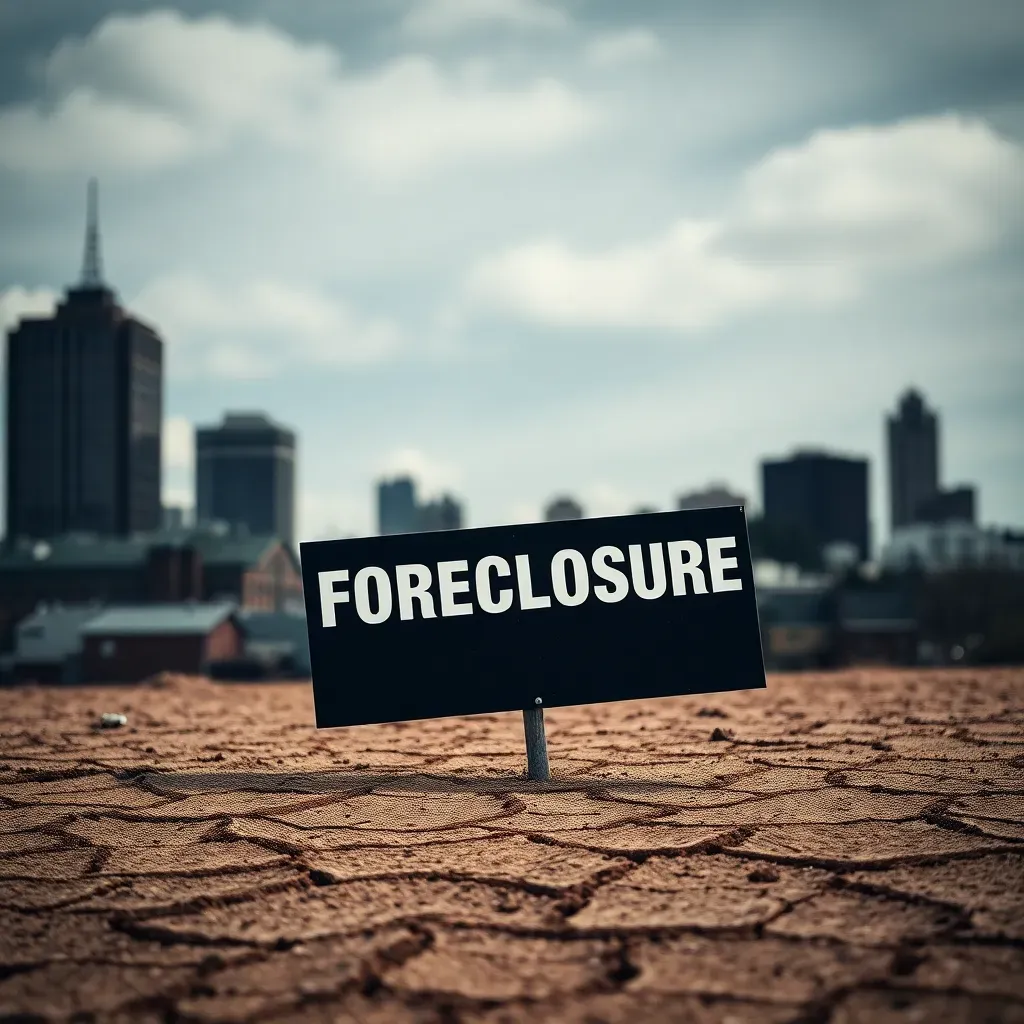
This business, distressed real estate, is not about saving a few dollars on groceries. It's about creating significant value where others see only problems. It's about understanding that while $28.49 might buy you a couple of coffees, a well-executed pre-foreclosure deal can generate five, six, or even seven figures in equity. The difference isn't just in the numbers; it's in the mindset. Are you an optimizer of consumption, or an acquirer of assets?
The operators who succeed in this space understand that their time and mental energy are finite resources. They don't spend hours hunting for coupon codes; they spend hours analyzing property records, understanding market cycles, and building relationships. They recognize that a $100,000 equity gain on a property is a far more impactful use of their time than saving $100 on their monthly bills. This isn't to say you should be wasteful, but rather to highlight where your strategic focus should lie.
Consider the fundamental difference: one approach is about reducing outflow, the other is about creating inflow. When you acquire a pre-foreclosure property, you're not just buying a house; you're buying a problem that you can solve for a homeowner, and in doing so, you're creating an asset with substantial upside. This asset, once stabilized, can generate rental income, appreciate in value, or be sold for a significant profit. That's real wealth creation, not just cost reduction.
"Many people are so focused on clipping coupons, they miss the opportunity to buy the entire store," observes Sarah Jenkins, a seasoned real estate analyst. "The leverage in distressed assets is exponential compared to incremental savings."
Our system, for example, teaches you to identify properties where the equity gain potential is significant enough to justify the effort. We're talking about deals where you can realistically expect to create $50,000, $100,000, or even more in value. This isn't a get-rich-quick scheme; it's a structured approach to identifying, acquiring, and resolving distressed situations. It requires discipline, a clear process, and the ability to see opportunity where others see only distress.
Instead of chasing fractional savings, learn to chase legitimate equity. Instead of optimizing your spending, optimize your acquisition strategy. That's how you build real wealth, not just a slightly cheaper shopping cart. It's about shifting your focus from the trivial to the truly impactful.
See the full system at [The Wilder Blueprint](https://wilderblueprint.com/get-the-blueprint/).