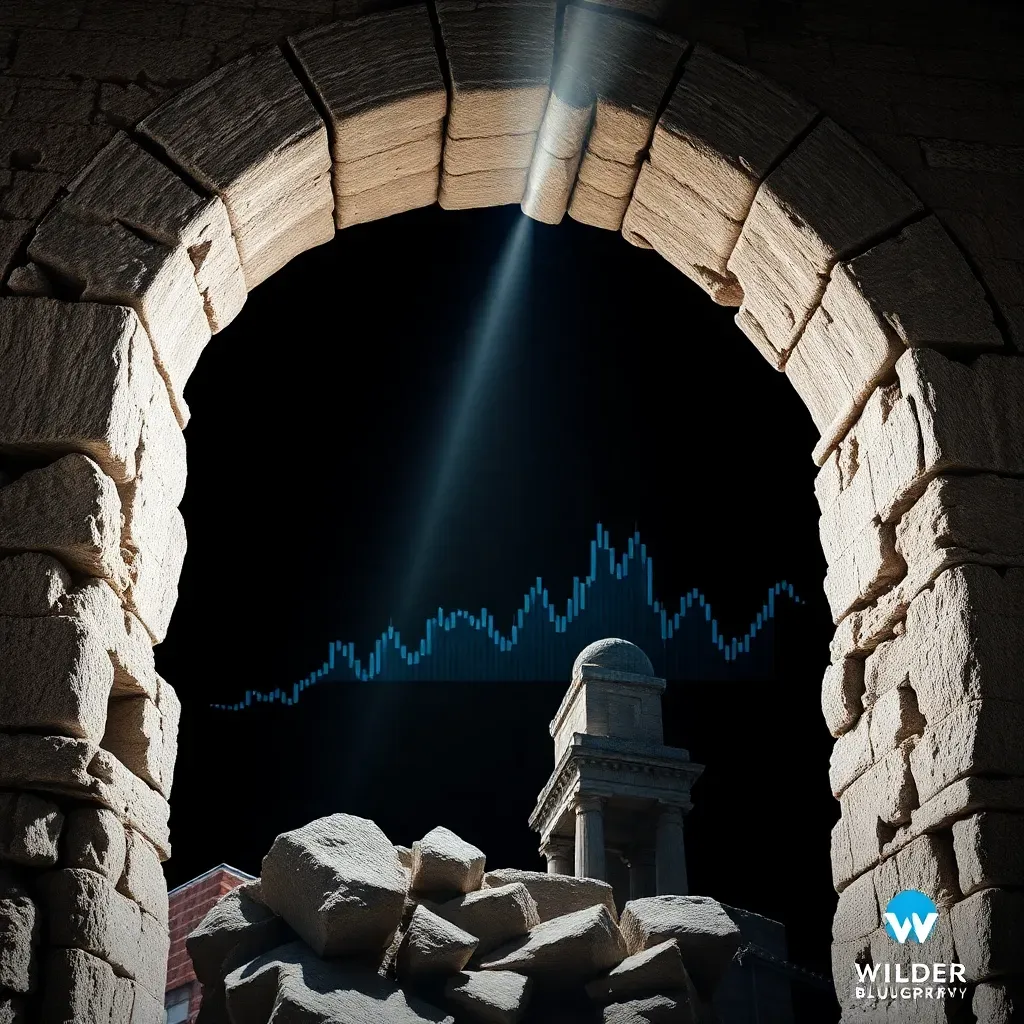
There's a new product making headlines: crypto-backed mortgages. Companies like Better.com and Coinbase are now allowing qualified borrowers to use Bitcoin or USDC as collateral for a mortgage down payment. The pitch is simple: you can leverage your digital assets without selling them, freeing up capital for a home purchase.
On the surface, this sounds like an innovative solution for those holding significant crypto wealth but lacking traditional liquid capital for a down payment. It’s a way to access credit, bypassing the need to convert volatile assets into fiat currency, potentially incurring taxes or missing out on future gains. For some, it might feel like a win-win, allowing them to participate in the real estate market while maintaining their crypto positions.
But let's fix the frame here. This isn't about innovation; it's about distraction. While the financial world chases the next shiny object, the fundamentals of building real, sustainable wealth remain unchanged. And those fundamentals point squarely at tangible assets, not speculative ones. The allure of using crypto to buy real estate isn't the problem; the problem is when you mistake the collateral for the core strategy.
"The market is always trying to sell you a shortcut," notes Sarah Jenkins, a veteran real estate analyst. "But true wealth is built through consistent, disciplined action on assets that produce income and appreciate predictably, not on those subject to wild swings based on sentiment."
Distressed real estate operates on a different plane entirely. We're not looking for ways to leverage speculative assets; we're looking for undervalued, tangible assets with clear paths to forced appreciation. We're focused on properties where the owner is motivated, where the numbers make sense, and where our intervention can create immediate equity. This is about buying assets at a discount, adding value, and controlling the outcome – not betting on the future price of a digital token.
Think about it: when you're buying a pre-foreclosure, you're solving a problem for a homeowner in distress. You're identifying a property that needs work, negotiating a fair price based on its current condition and the seller's urgency, and then executing a plan to improve it. Whether that's a quick cosmetic flip, a deeper rehab, or a wholesale assignment, the value is created through your effort and market knowledge, not through the fluctuating value of a digital currency used as collateral.
What happens when the crypto market takes a dive? Your collateral value drops, and suddenly, your mortgage is underwater, or you're facing margin calls. This introduces an unnecessary layer of risk into what should be a calculated, asset-backed investment. We operate in a world of predictable outcomes, not speculative gambles. The Charlie 6, our deal qualification system, isn't asking about your Bitcoin holdings; it's asking about the property's condition, the seller's motivation, and the market's demand for that specific asset.
"Smart money flows into assets that generate cash flow and have intrinsic value, not just perceived value," says Mark Harrison, a long-time real estate investor. "A house provides shelter, can be rented, and its value is tied to land and physical improvements. A digital token's value is tied to adoption and speculation."
Our business is about acquiring assets with built-in equity, managing risk, and creating value through strategic action. It's about understanding the foreclosure process, identifying motivated sellers, and deploying capital into properties that deliver predictable returns. This isn't to say crypto has no place in a diversified portfolio, but it's crucial to understand the difference between a speculative investment and a foundational wealth-building strategy.
Don't get sidetracked by products that promise to make it easier to buy real estate using volatile assets. Focus on the core business: finding, analyzing, and executing on distressed property deals. That's where the real, sustainable wealth is built.
Start with the foundations at [The Wilder Blueprint](https://wilderblueprint.com/foundations-registration/) — the entry point for serious distressed property operators.