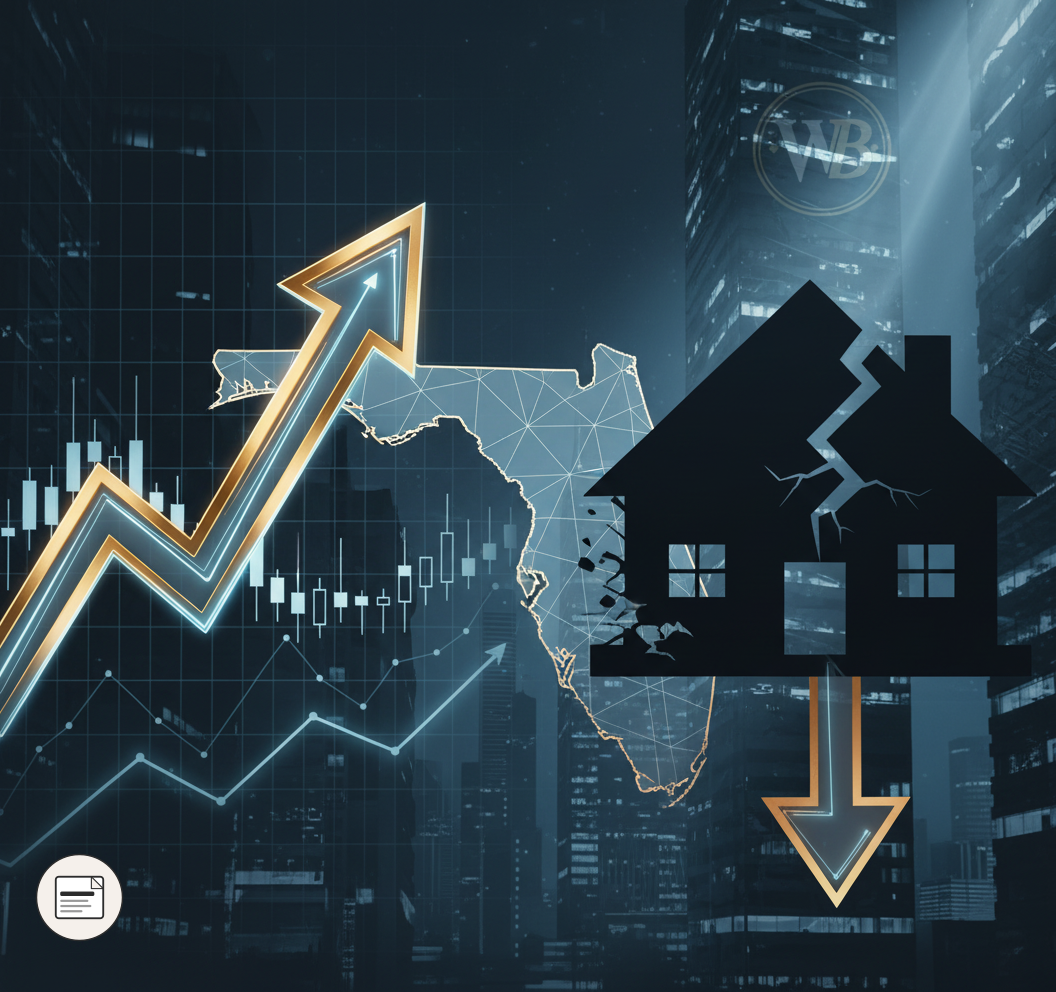
Recent data from ATTOM Data Solutions indicates a notable uptick in foreclosure filings across Florida, with Tampa Bay specifically emerging as a hotspot. This development, while catching headlines, warrants a deeper, more analytical look for real estate investors. Is this the precursor to a market correction, or a localized opportunity within a resilient broader economy?
Foreclosure filings in Florida saw a significant increase, up 22.8% from the previous quarter and a staggering 61.7% year-over-year in the first quarter of 2024. Tampa Bay, encompassing counties like Hillsborough, Pinellas, and Pasco, has been at the forefront of this trend. While these numbers might trigger flashbacks to 2008 for some, the underlying economic conditions are vastly different.
"What we're seeing in Tampa Bay isn't a systemic collapse of the housing market," explains Amelia Vance, a veteran real estate analyst specializing in distressed assets. "It's more a reflection of elevated interest rates impacting adjustable-rate mortgages, combined with some pandemic-era forbearance programs expiring. The equity homeowners hold today is fundamentally stronger than in the mid-2000s, which mitigates a widespread contagion effect."
Indeed, the average homeowner equity in Florida remains robust. Many homeowners who might be facing foreclosure still possess substantial equity, making short sales and pre-foreclosure negotiations viable alternatives to a full auction. For investors, this translates into opportunities to acquire properties at a discount without necessarily waiting for the final auction stage, often avoiding the competitive bidding and potential title issues associated with REO properties.
**Actionable Strategies for the Tampa Bay Market:**
1. **Targeted Pre-Foreclosure Outreach:** Focus on properties identified early in the Notice of Default (NOD) phase. Homeowners in this stage are often highly motivated to sell to avoid foreclosure, especially if they have equity. A well-structured offer that provides a quick close and covers moving expenses can be highly appealing.
2. **Short Sale Expertise:** With significant equity still present in many properties, short sales may be less prevalent than in 2008, but they still occur. Investors with strong relationships with lenders and experience navigating the complex approval process can find lucrative deals. Expect a 3-6 month timeline for lender approval, requiring patience and persistence.
3. **Understanding Local Nuances:** Pinellas County, for example, might have different property types and price points than Hillsborough. Analyze specific zip codes for foreclosure density, average equity levels, and rental demand. A 3/2 single-family home in a desirable school district will have different investor appeal than a condo in a tourist-heavy area.
4. **Financing Adaptability:** Traditional bank financing for distressed properties can be challenging. Be prepared with private money, hard money, or cash offers to close quickly. A 70% LTV hard money loan at 10-12% interest for a 12-month term is a common structure for flip projects.
"The key differentiator from 2008 is the current job market and limited housing supply," notes Marcus Thorne, a multi-state investor with over 300 deals under his belt. "Even with rising foreclosures, demand for housing, both for sale and rent, remains strong in Florida. This creates a floor for property values that wasn't there during the subprime crisis. Investors need to be surgical, not speculative."
For investors, the Tampa Bay market presents a nuanced landscape. It’s not a fire sale, but rather an environment where diligent research, strategic outreach, and a deep understanding of the foreclosure process can yield significant returns. The opportunities are there for those who can differentiate between systemic risk and localized market adjustments.
---
*Ready to navigate the complexities of today's foreclosure market with confidence? The Wilder Blueprint offers advanced training and resources to help you identify, analyze, and close profitable deals, even in shifting economic conditions.*