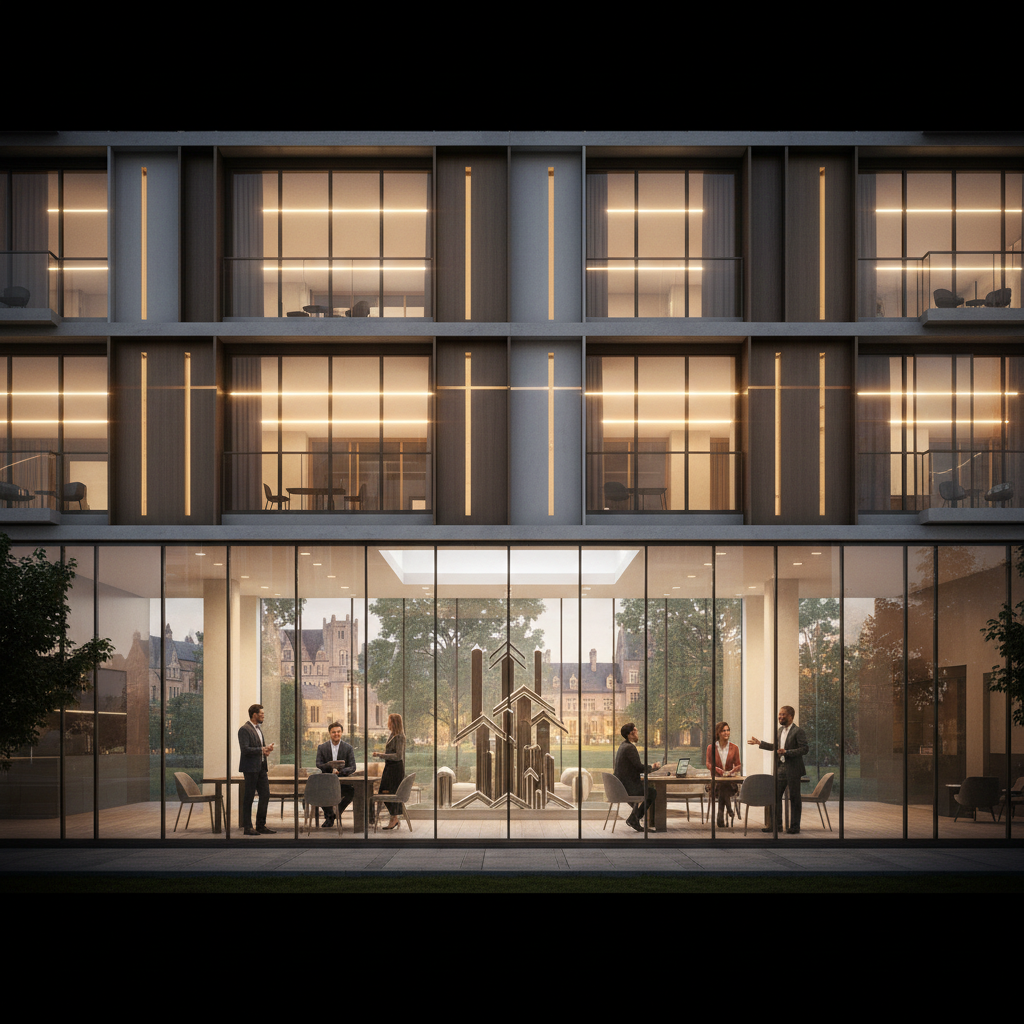
The recent announcement by Hofstra University to offer new housing specifically for upperclassmen aged 21 and above highlights an evolving trend in the student housing market. While many investors focus on traditional off-campus rentals targeting freshmen and sophomores, this move underscores a distinct opportunity for those willing to analyze the nuances of older, more mature student demographics.
This isn't just about providing beds; it's about meeting a demand for more independent, amenity-rich living spaces that often command higher rents and potentially lower turnover costs due to longer academic commitments. For investors, this translates into exploring properties near universities that cater to graduate students, international students, or older undergraduates who prefer a quieter, more professional environment than typical party houses.
"The 21+ student housing niche offers stability," notes Eleanor Vance, a seasoned real estate analyst specializing in university markets. "These tenants often have more mature financial habits, are less prone to property damage, and typically stay for multi-year programs, reducing vacancy risks significantly compared to a traditional 12-month undergraduate lease cycle."
Identifying these opportunities requires granular market analysis. Look for universities with strong graduate programs, a high percentage of international students, or those located in areas with limited existing upscale student housing. Consider properties that can be configured for individual leases by the room, offering private bathrooms and shared common areas, which can maximize rental income per square foot. A 5-bedroom house near a major university, for instance, might generate $3,500/month as a single-family rental, but could yield $800-$1,000 per room, totaling $4,000-$5,000/month, if properly managed for individual student leases.
Financing for such ventures can be similar to traditional multi-family or single-family rentals, but understanding the specific university's enrollment trends, housing policies, and local zoning for rooming houses is critical. Due diligence should include assessing the average age of students, availability of public transport, and proximity to campus facilities. This niche, while not as liquid as single-family flips, offers compelling cash flow and appreciation potential for the informed investor.
For those ready to dive deeper into specialized real estate niches and uncover opportunities like these, The Wilder Blueprint offers advanced training and resources. Our programs equip you with the analytical frameworks and practical strategies to navigate complex markets and maximize your investment returns.