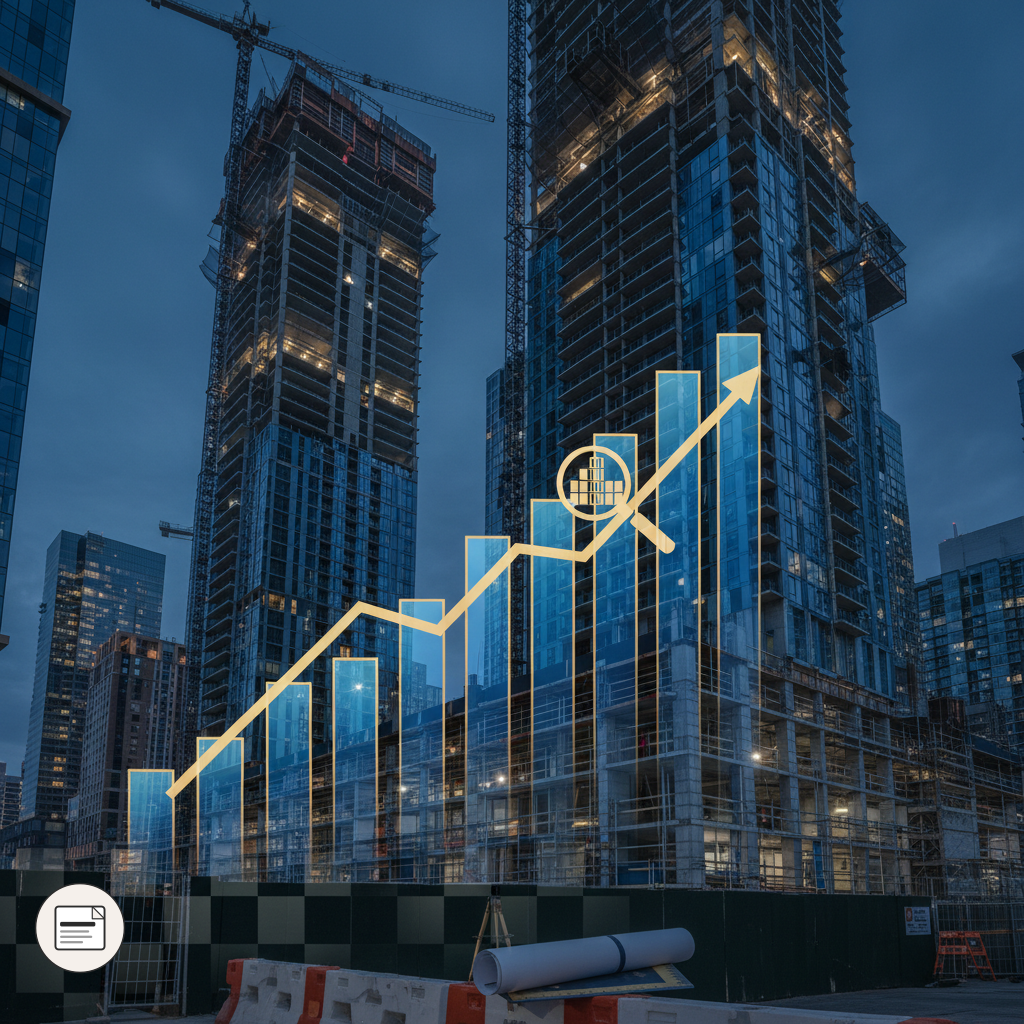
The recent announcement that Cord Meyer Development has secured a substantial $75 million construction loan for a new residential project in Queens isn't just a headline for developers; it's a flashing indicator for real estate investors across the spectrum. This significant capital injection into a major metropolitan submarket signals confidence, but also portends shifts in supply, demand, and property values that demand a strategic response from those looking to capitalize on foreclosures, pre-foreclosures, and long-term rental plays.
For investors, particularly those focused on distressed assets, new development isn't a direct competitor but a market shaper. An influx of new, high-end rental units, as is often the case with projects of this scale, can exert downward pressure on older, less amenitized rental stock in the immediate vicinity. This creates a potential arbitrage opportunity: acquire distressed properties at a discount, execute a value-add renovation to bring them closer to modern standards, and then compete effectively on rent or achieve a strong ARV for a flip.
“Large-scale developments like Cord Meyer's project in Queens act as a magnet, drawing new residents and businesses to an area,” notes Evelyn Reed, a seasoned real estate analyst with Reed Capital Advisors. “For investors, this means increased demand for housing across all price points. While the new builds cater to the top tier, the ripple effect often elevates property values and rental rates for well-positioned, renovated properties nearby, creating fertile ground for strategic flips and long-term rental income plays.”
Consider the implications for rental income strategies. A new development often brings with it higher average rents. If you own or acquire a multi-family property within a 1-2 mile radius, your ability to raise rents post-renovation becomes more robust. A property acquired via pre-foreclosure for 70% of its current market value, requiring $80,000 in renovations, could see its NOI significantly boosted by the upward pressure on rental rates from new, higher-priced inventory entering the market. This can translate directly into a higher cap rate upon sale or increased cash flow for a buy-and-hold strategy.
However, this also introduces risks. Over-leveraging on a flip in an area with a sudden surge of new supply can lead to longer holding times if the market becomes saturated. Diligent market analysis, including absorption rates for new construction, is critical. Investors must understand the submarket's capacity to absorb new units without depressing overall values.
“The key isn't just to see a crane in the sky and buy,” advises Marcus Thorne, a veteran investor who has completed over 450 deals. “It's about understanding the specific demographics these new projects target, the infrastructure improvements they might spur, and how your distressed acquisition can be positioned to capture the spillover demand. We're looking for properties where a strategic renovation can bridge the gap between an aging asset and the expectations set by new construction, often at a fraction of the cost, creating superior value for both renters and buyers.”
For those specializing in short sales or foreclosure acquisitions, these market dynamics can present unique opportunities. Homeowners facing distress in areas slated for significant development might be more motivated to sell quickly, especially if they perceive an impending shift in neighborhood character or property taxes. Identifying these motivated sellers before the full impact of new development is felt can yield significant equity gains.
The Queens market, with its diverse neighborhoods and ongoing infrastructure investment, remains a prime target for strategic real estate plays. New developments, backed by substantial financing, are not just about new buildings; they are about new market conditions, new opportunities, and new challenges that only the most informed and agile investors will successfully navigate.
---
*Ready to refine your investment strategy to capitalize on evolving market dynamics? The Wilder Blueprint offers advanced training and proprietary tools to help you identify and execute profitable deals, from pre-foreclosures to strategic flips, in competitive markets like Queens.*