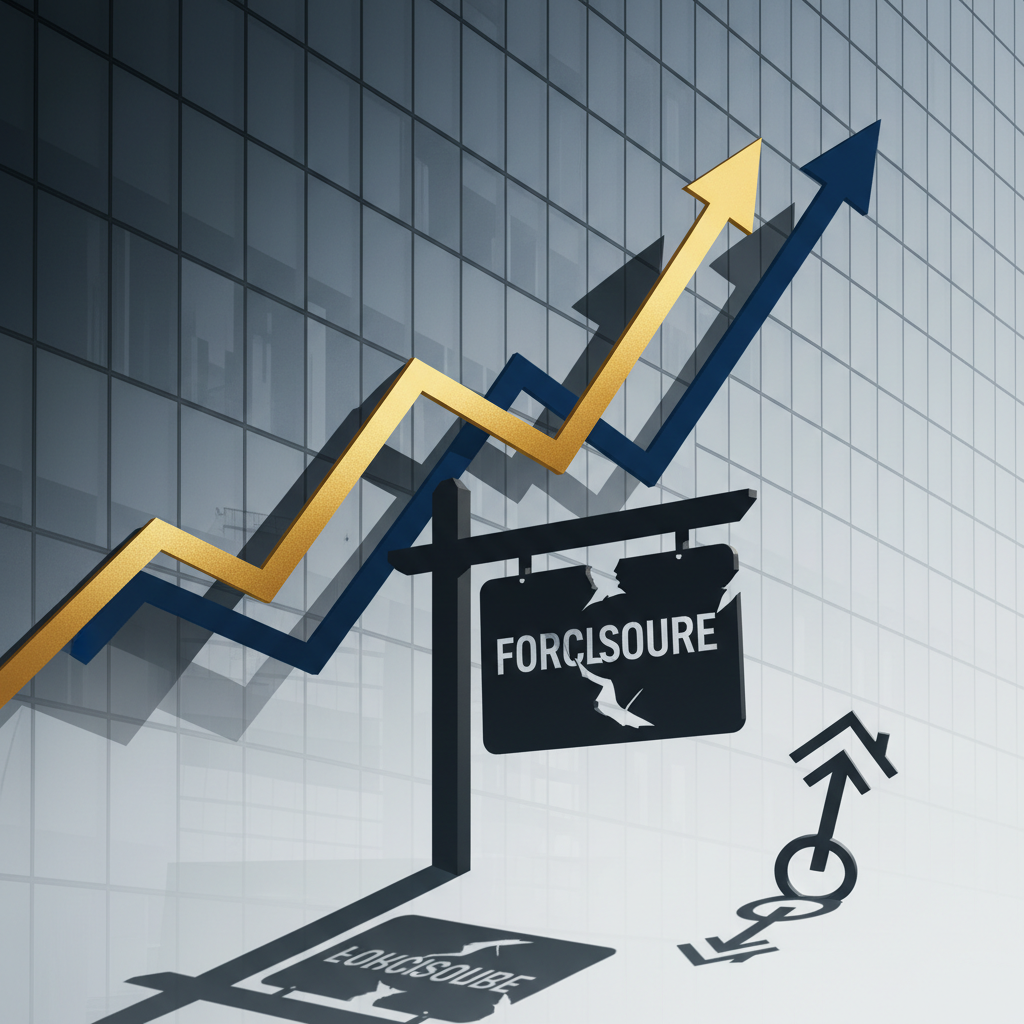
The global energy market just delivered a stark reminder of its interconnectedness with real estate finance. A significant surge in oil prices, marking one of the largest daily jumps on record, immediately translated into a notable upward movement in 10-year Treasury yields. While the initial spike of nearly 8 basis points in yields saw some reversal, this volatility underscores a critical factor for every real estate investor: the cost of capital.
For those of us navigating the foreclosure, pre-foreclosure, and short-sale landscapes, understanding bond yields is paramount. The 10-year Treasury yield is a primary benchmark for long-term mortgage rates. When yields rise, so do the rates on conventional mortgages, hard money loans, and even private lending, albeit with a slight delay. A 28% jump in oil prices, even if temporary, can trigger a chain reaction that makes financing your next flip or rental acquisition more expensive.
Consider a typical fix-and-flip scenario. A 50-basis point increase in your hard money loan rate on a $300,000 acquisition and rehab could add thousands to your carrying costs over a 6-month project. This directly erodes your projected profit margin, making deal analysis even more critical. "We're advising our investors to stress-test their pro formas with higher interest rate assumptions," states Brenda Chen, a seasoned real estate analyst specializing in distressed assets. "A 7% rate today might be 7.5% next month, and that difference can turn a marginal deal into a money pit."
For rental property investors, rising rates impact debt service coverage ratios (DSCR) and overall cash flow. A higher mortgage payment means a lower net operating income (NOI), potentially reducing the property's valuation and making it harder to meet lending criteria. "The days of assuming perpetually low-cost debt are over," warns Mark 'The Closer' Johnson, a private lender with over two decades in the game. "Savvy investors are locking in rates quickly or building in rate buffers to their acquisition models."
This market dynamic demands agility. Investors must factor in potential rate hikes when calculating maximum allowable offers (MAO) and ensure their exit strategies are robust enough to absorb increased financing costs. Speed to close becomes even more valuable in a volatile rate environment, as does having access to flexible capital sources.
Stay ahead of these market shifts and refine your deal-making strategies. The Wilder Blueprint offers advanced training on navigating fluctuating interest rates and optimizing your financing for maximum profitability. Equip yourself with the tools to thrive, regardless of market headwinds.