
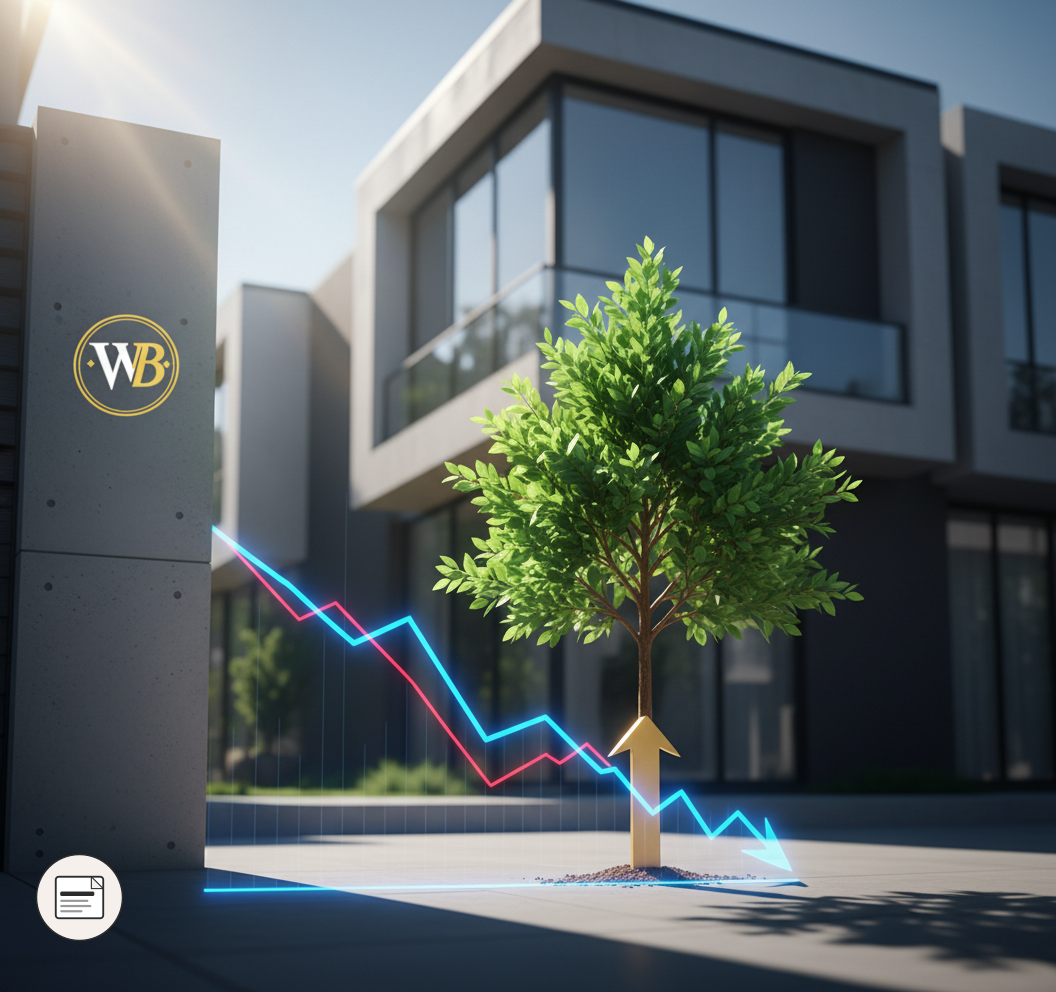
The latest housing market data has sent a ripple through the industry: January new home sales plummeted to their lowest pace since 2022. This isn't just a headline; it's a critical indicator for real estate investors, particularly those operating in the distressed asset space. While mainstream media focuses on the 'why' for builders, we're looking at the 'what' for our portfolios.
According to recent reports, new home sales fell by 9.3% in January to a seasonally adjusted annual rate of 661,000 units. This decline occurred despite a temporary dip in mortgage rates and aggressive builder incentives, suggesting a deeper market recalibration than simple rate sensitivity. For us, this isn't a sign of impending doom; it's a signal of opportunity.
**Understanding the Disconnect: Rates vs. Reality**
Builders, often operating with higher leverage and tighter margins than individual investors, are facing a complex environment. High construction costs, persistent labor shortages, and now, a pullback in buyer demand even with incentives, are squeezing their ability to move inventory. This leads to increased carrying costs, potential price reductions, and in some cases, a greater willingness to offload assets.
"When new construction stalls, it creates a vacuum that can be filled by well-positioned investors," explains Sarah Jenkins, a veteran real estate analyst and founder of Jenkins Capital Group. "Builders with excess inventory or projects nearing completion might become more amenable to bulk deals or even short sale scenarios if their financing terms become untenable. This is where our network and capital become invaluable."
**Actionable Strategies for the Current Climate**
1. **Targeting Builder Distress:** Keep a close eye on local and regional builders. Look for signs of overleveraging, such as numerous price cuts on new listings, prolonged marketing periods, or even public announcements of project delays. Direct outreach, offering cash or quick closes for multiple units, can yield significant discounts. These aren't foreclosures in the traditional sense, but they represent a form of distress that can be highly profitable.
2. **Increased Pre-Foreclosure Volume:** A slowdown in new home sales can have a ripple effect. If potential buyers are hesitant, existing homeowners looking to sell and upgrade might find their properties sitting longer. This can exacerbate financial strain for those already struggling, potentially pushing more properties into the pre-foreclosure pipeline. Our focus on identifying these early-stage opportunities becomes even more critical.
3. **Rental Market Implications:** A tighter new home market can also bolster the rental sector. If fewer people are buying new, more will continue to rent, driving demand and potentially rental income. For investors focused on buy-and-hold strategies, this reinforces the stability of rental cash flow, especially in markets with strong employment and population growth.
"The market is always in motion, and every shift presents a new angle for profit," states Mark Thompson, a seasoned investor who has navigated multiple downturns. "We're not just looking at the sales numbers; we're analyzing the underlying pressures on sellers, whether they're individual homeowners or large development firms. That's where the real deals are found."
**The Wilder Blueprint Advantage**
This market shift underscores the importance of a dynamic investment strategy. While the headlines focus on new home sales, the opportunities for distressed asset investors are often found in the fallout. The Wilder Blueprint equips you with the analytical tools and practical frameworks to identify these shifts, understand their implications, and execute profitable deals regardless of broader market sentiment.
Don't just react to the news; learn to anticipate and profit from it. Explore how The Wilder Blueprint's advanced training can sharpen your edge in today's evolving real estate market.