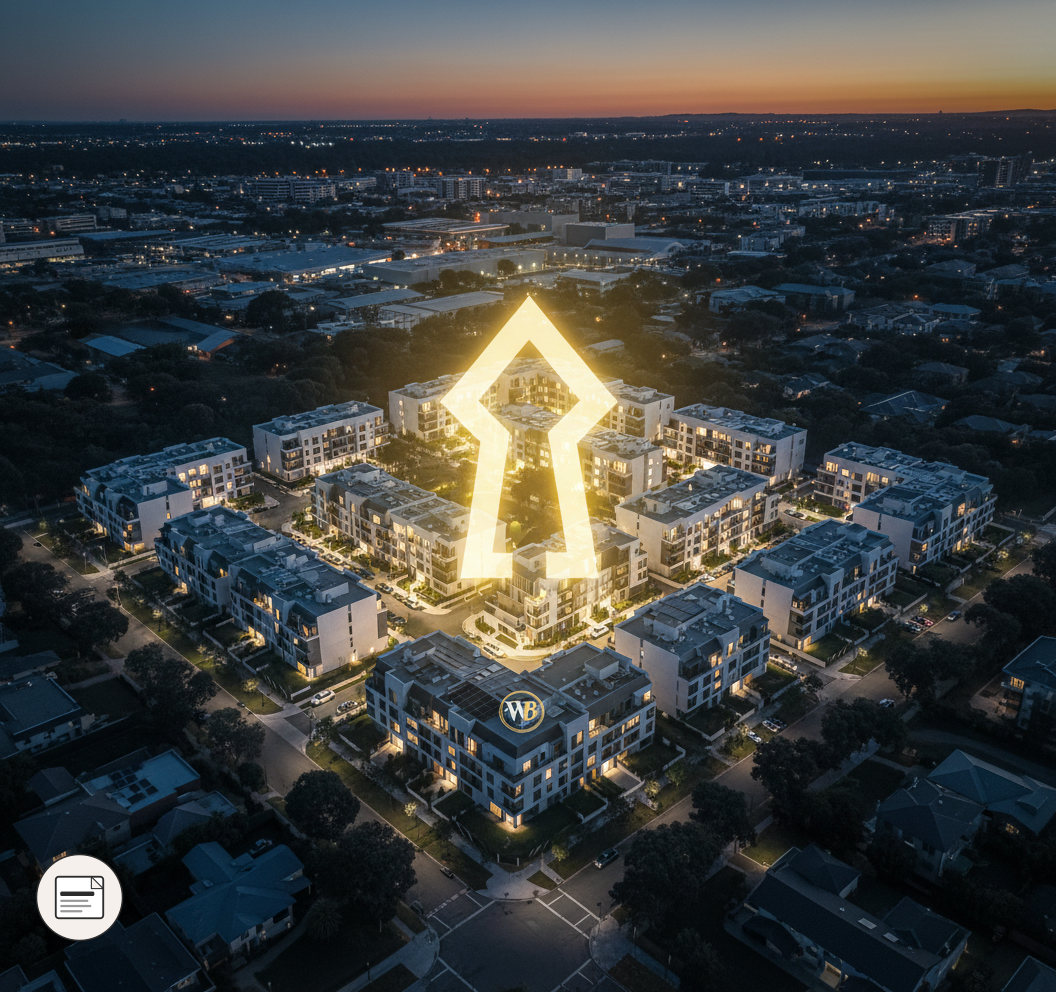
Recent discussions among the mayors of Yonkers, New Rochelle, and White Plains have cast a spotlight on the escalating housing crisis in Westchester County, New York. While the public discourse often centers on affordability and community impact, for the astute real estate investor, these challenges translate directly into actionable market intelligence and potential profit centers.
The core issue in these high-demand urban centers is a persistent supply-demand imbalance. Limited developable land, stringent zoning regulations, and rising construction costs are converging to create a bottleneck in new housing stock, particularly for middle-income and workforce housing. This environment, while challenging for residents, presents unique opportunities for investors willing to understand local dynamics and deploy targeted strategies.
**The Supply-Demand Imbalance: A Catalyst for Value**
Yonkers, New Rochelle, and White Plains are experiencing significant population growth and economic development, yet housing production lags. This creates upward pressure on both rental rates and property values. For investors, this means a higher likelihood of strong rental yields and capital appreciation, especially in properties that can be repositioned to meet current market demands.
"We're seeing a consistent 5-7% year-over-year appreciation in well-located, renovated properties across these markets, even with interest rate fluctuations," notes Sarah Chen, a seasoned investor with over 15 years in the Westchester market. "The key is acquiring at the right basis, often through off-market channels like pre-foreclosures or distressed sales, and then executing a value-add strategy that aligns with the specific housing needs of each city."
**Strategic Entry Points: Foreclosures and Repositioning**
Given the tight market, traditional retail acquisitions often come with thin margins. This is where expertise in foreclosure and pre-foreclosure investing becomes paramount. Homeowners facing financial distress in these high-value areas are often sitting on significant equity, making short sales or pre-foreclosure workouts a viable path to acquire properties below market value.
Consider a scenario in New Rochelle: a pre-foreclosure property, listed at $450,000 with an estimated ARV of $680,000 after a $120,000 renovation. An investor adept at navigating the pre-foreclosure process could secure this asset, inject capital for modernization, and bring a much-needed, updated unit to market. The 12-month timeline for a typical foreclosure process in New York also provides a window for strategic intervention.
"The mayors' discussions highlight a need for more diverse housing types – from multi-family conversions to smaller, efficient units," states David Miller, a real estate analyst specializing in urban development. "Investors who can identify underutilized commercial spaces for residential conversion, or acquire and rezone single-family lots for duplexes, are poised for significant returns. The political will to address housing shortages, even if slow, eventually translates into opportunities for developers and investors who can deliver solutions."
**Navigating Policy and Community Nuances**
While the demand is clear, investors must also be attuned to local zoning, permitting processes, and community sentiment. Each city has its own master plan and development priorities. Engaging with local planning departments and understanding the long-term vision for each municipality is crucial for successful, sustainable investing. This includes awareness of potential rent stabilization efforts or inclusionary zoning ordinances, which can impact pro forma calculations.
The housing discussions in Yonkers, New Rochelle, and White Plains underscore a fundamental truth: where there is acute demand and constrained supply, there is opportunity. For investors equipped with the knowledge to identify distressed assets, execute value-add strategies, and navigate local regulatory landscapes, Westchester County remains a fertile ground for substantial returns.
*Mastering these complex markets requires a specialized skillset. Explore The Wilder Blueprint's advanced training programs to gain the tactical advantage needed to capitalize on opportunities in competitive urban environments.*