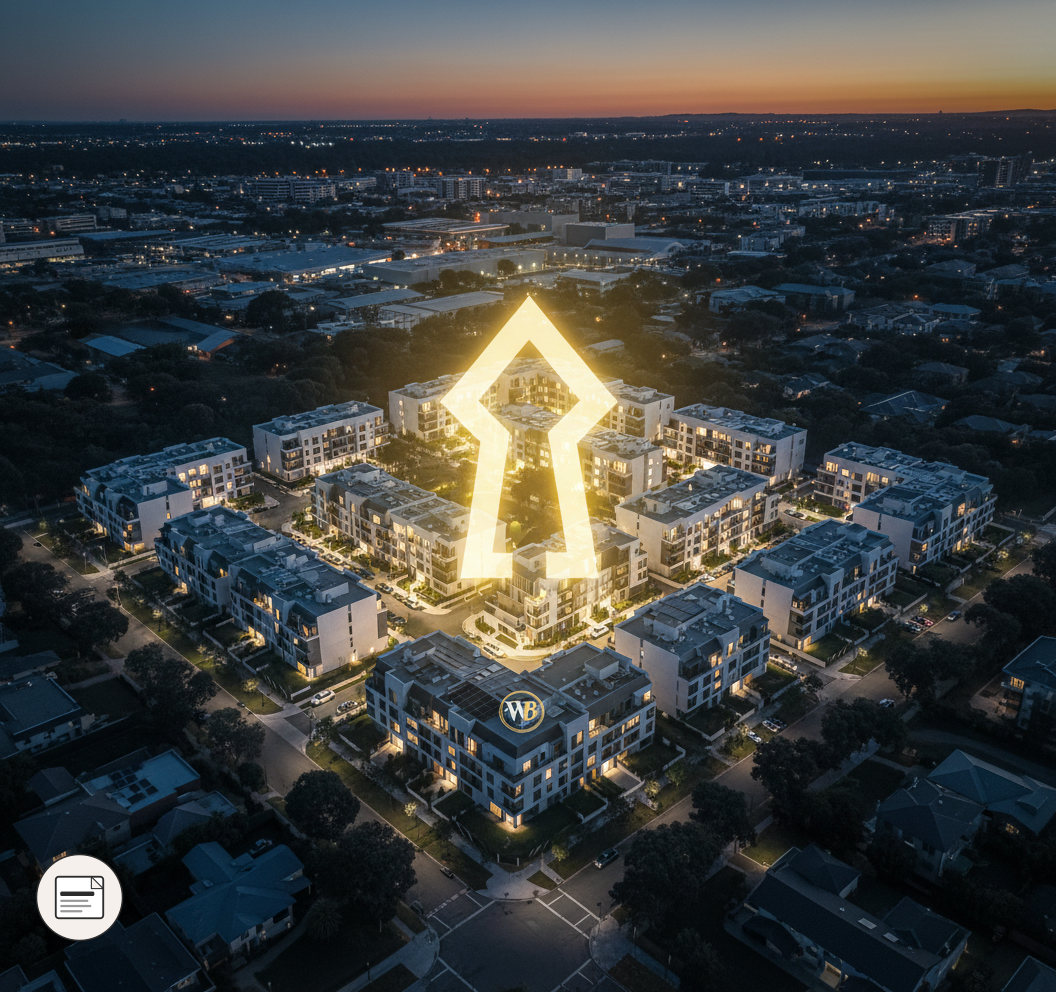
The second quarter of 2024 is presenting a complex, yet fertile, landscape for foreclosure investors. While the dramatic inventory surges predicted by some have not materialized uniformly, localized pockets of opportunity persist, demanding a nuanced approach to deal sourcing and execution.
Foreclosure filings, while still below pre-pandemic levels, have shown a steady uptick, particularly in judicial foreclosure states where timelines are longer. "We're seeing a more consistent flow of Notices of Default, but the conversion rate to REO is still heavily influenced by servicer capacity and state-specific regulations," notes Amelia Vance, a seasoned real estate analyst at Horizon Capital Group. "Investors need to be tracking these pre-foreclosure stages aggressively to secure off-market deals before they hit the auction block."
The competitive environment remains robust, especially for properties in desirable submarkets. Investors who successfully acquire properties are often those with established relationships with servicers, attorneys, and local real estate agents specializing in distressed assets. Cash buyers continue to hold a significant advantage, often securing properties at 65-70% of ARV, leaving ample room for renovation and profit, even with rising material and labor costs.
Financing strategies are also evolving. While conventional loans for investment properties are available, private money and hard money lenders are playing a crucial role in rapid acquisitions, particularly for auction purchases or properties requiring extensive rehab. Interest rates for these short-term solutions typically range from 10-14%, plus points, underscoring the need for tight project management and swift exits.
"The days of 'buy anything and it'll appreciate' are long gone," states Marcus Thorne, a multi-state foreclosure investor with over 20 years of experience. "Today, it's about precision. Know your submarket, understand your rehab budget down to the last nail, and have multiple exit strategies mapped out. We're consistently targeting a minimum 15% ROI on our flips, and that requires relentless due diligence."
For those looking to capitalize on these market dynamics, understanding the full foreclosure timeline, from NOD to REO, and mastering advanced negotiation tactics are paramount. The ability to accurately assess property value, estimate renovation costs, and project holding periods directly impacts profitability in this environment.
To navigate these intricate market conditions and refine your investment strategies, explore the advanced training modules available through The Wilder Blueprint. Our programs are designed to equip serious investors with the tools and insights needed to identify, acquire, and profit from distressed real estate opportunities.