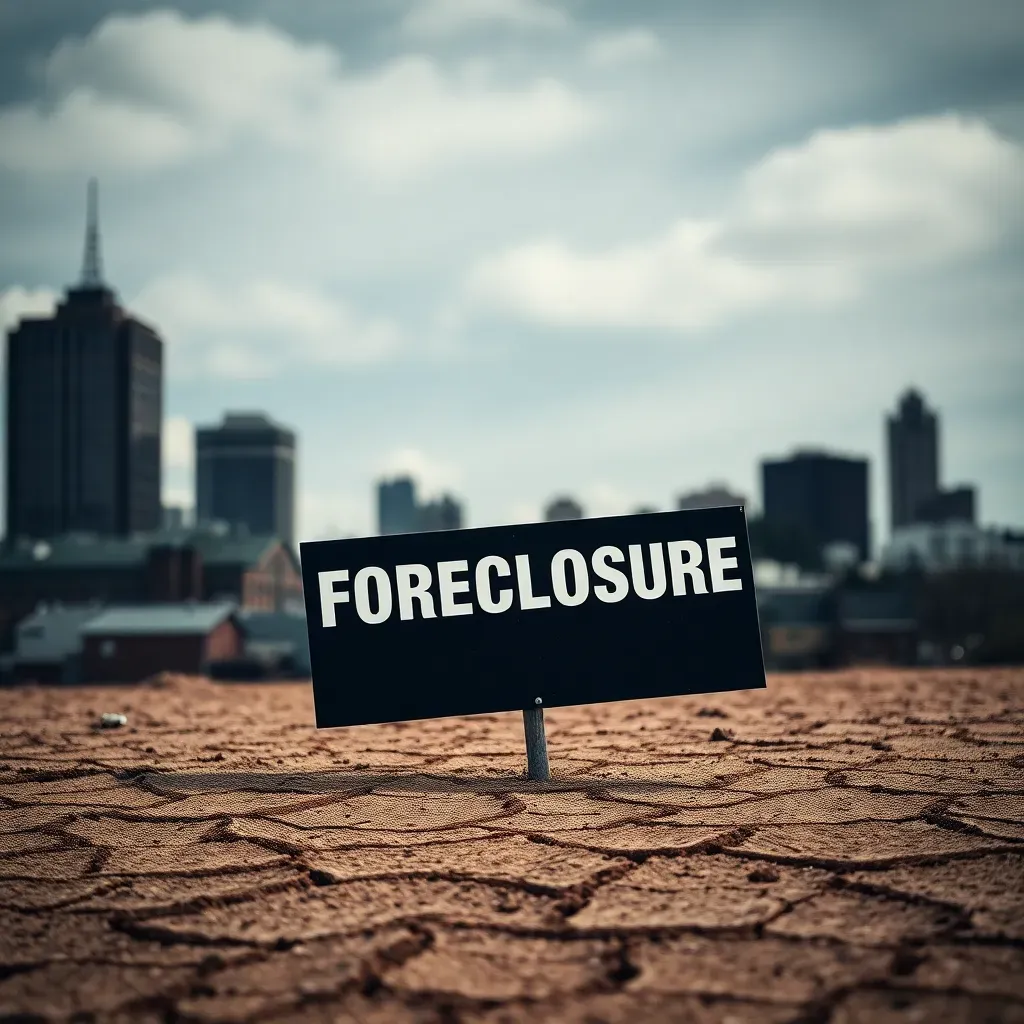
Everywhere you look, from local news headlines to national policy debates, housing affordability is a central theme. The recent efforts by Idaho's Rep. Tony Toews to address rising property taxes and housing costs are just one example of a widespread concern. For us, as real estate investors, these discussions aren't just background noise – they signal shifts in the market that create significant opportunities, especially in the distressed property space.
When politicians talk about "easing housing costs," they're often responding to a market under pressure. This pressure can manifest in various ways: rising property taxes, increasing interest rates, or simply a supply-demand imbalance pushing prices out of reach for many. For the homeowner caught in the crossfire, these pressures can lead to financial distress. And that, my friends, is where our expertise becomes invaluable.
**Understanding the Macro Shift: Why Affordability Matters to You**
Legislative action, whether it's property tax caps, new zoning laws, or first-time buyer incentives, aims to stabilize or reduce housing expenses. While some measures might directly impact your bottom line (like property tax changes), the broader implication is a market where some homeowners will struggle to keep pace. This struggle often precedes foreclosure, creating the very opportunities we specialize in.
Think about it: if property taxes rise, a homeowner on a fixed income might find their budget stretched to breaking point. If interest rates climb, adjustable-rate mortgage holders could see their payments become unsustainable. These aren't just abstract economic theories; they are real-world triggers for financial distress that lead to pre-foreclosures, short sales, and eventually, foreclosures.
**Your Tactical Playbook: Identifying Opportunity in Distress**
When you hear about efforts to ease housing costs, don't just dismiss it as political talk. See it as a signal to sharpen your focus on the distressed market. Here's how to leverage this understanding:
**1. Monitor Local Policy Changes:** Stay informed about property tax assessments, proposed tax relief programs, and any changes to foreclosure laws in your target markets. These directly impact a homeowner's ability to retain their property and your potential acquisition costs.
**2. Identify Vulnerable Homeowners:** The very homeowners lawmakers are trying to help are often the ones who will eventually face distress. These are typically individuals with: * **Fixed or limited incomes:** Retirees, those on disability. * **Adjustable-rate mortgages (ARMs):** Especially if rates have risen significantly. * **High loan-to-value ratios:** Little equity to absorb shocks. * **Recent job loss or medical crisis:** Unforeseen life events.
**3. Proactive Outreach with Empathy:** Our approach is always to solve problems. When you identify a homeowner in distress, your goal is to offer a resolution path. This means reaching out *before* the situation escalates to a full-blown foreclosure auction. A simple, direct letter or phone call can open the door. Remember, you're offering a solution, not preying on misfortune. We always operate with respect for the homeowner's situation.
**4. Master the Resolution Paths:** For every distressed situation, there's a resolution. Is it a short sale? A deed in lieu? A direct purchase of the property pre-foreclosure? Understanding these options, as laid out in our Resolution Paths framework, allows you to confidently navigate complex situations and offer viable solutions to homeowners.
**5. Apply the Charlie Framework:** Once you've identified a potential deal, you need to qualify it quickly. Our Charlie 6 or Charlie 10 framework helps you determine if a property is a viable investment in minutes. This is crucial when dealing with distressed properties, where time is often of the essence. You need to know if the numbers work – the ARV, rehab costs, and your target profit – before you invest significant time or capital.
**6. Strategic Decision-Making with The Three Buckets:** After qualifying a deal, you need to decide its fate. Our Three Buckets framework – Keep, Exit, Walk – guides this decision. Does it fit your long-term rental portfolio (Keep)? Is it a flip or wholesale opportunity (Exit)? Or is it simply not a deal for you (Walk)? Housing affordability challenges can make some properties less attractive for long-term holds if rental income can't keep pace with expenses, pushing more deals into the 'Exit' bucket.
**The Bottom Line: Your Role as a Solution Provider**
Legislative efforts to ease housing costs, while well-intentioned, often fall short of addressing the immediate financial crises faced by individual homeowners. This is where you come in. By understanding the market forces at play and having a proven system for identifying, evaluating, and resolving distressed property situations, you become a vital solution provider.
This isn't just about making money; it's about helping people out of difficult situations while building a sustainable, profitable business. The market is constantly shifting, but the principles of smart, ethical distressed real estate investing remain constant.
Want the full system to capitalize on these market dynamics? This is one of the core frameworks covered in The Wilder Blueprint training program. See how to build your real estate business at wilderblueprint.com.
*Disclaimer: Real estate investing involves risk. Market conditions, property values, and legislative changes can impact investment outcomes. Always conduct thorough due diligence and consult with legal and financial professionals.*