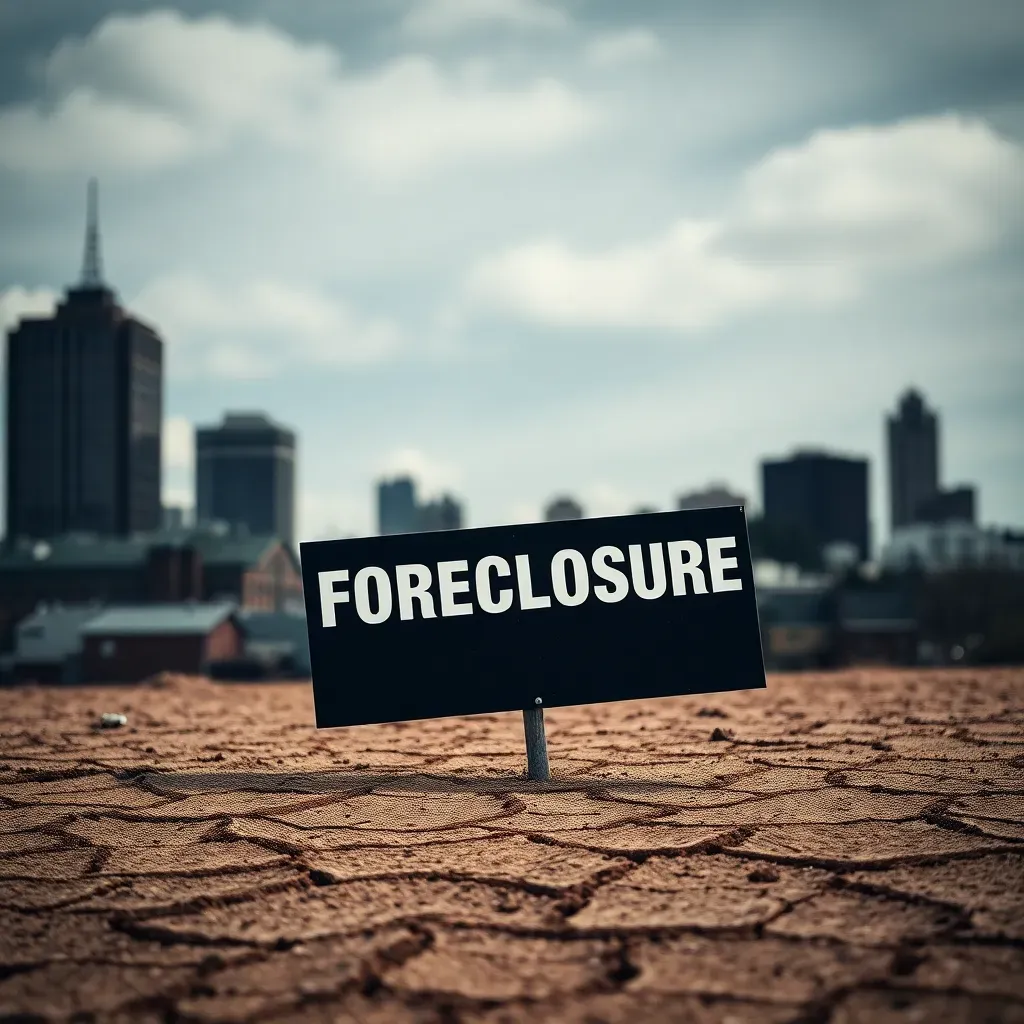
New York is in the midst of an affordable housing crisis, and Governor Hochul’s latest budget proposal is a clear signal that the state is serious about addressing it. For us, as distressed property investors, this isn't just political news; it's a critical shift in the landscape that demands our attention and strategic adaptation.
When government steps in to solve a problem this big, it creates ripples. These ripples can either drown you if you're not paying attention, or they can carry you to new opportunities if you know how to read the currents. Let's break down what this means for your operations in New York and how to position yourself for success.
**Understanding the 'Why' Behind the Policy**
The core issue is simple: too many people can't afford a place to live, especially in high-demand areas. This drives up homelessness, strains social services, and hinders economic growth. The state's response will likely involve a combination of incentives for new affordable housing construction, regulatory changes to speed up development, and potentially, programs to preserve existing affordable units or convert market-rate properties.
For us, the 'why' is important because it informs the 'what.' If you understand the state's objectives, you can anticipate where the money and the regulatory focus will go. This isn't about being a policy wonk; it's about being a smart operator who understands the playing field.
**The Direct Impact on Distressed Property Markets**
1. **Increased Competition for Certain Assets:** If the state offers incentives for developers to create affordable housing, properties that are ripe for conversion or redevelopment into multi-family units might see increased buyer interest. This means you need to be sharper, faster, and have your funding in order when you find these deals.
2. **Potential for New Funding Streams:** Keep an eye out for state or local programs designed to support the acquisition and rehabilitation of properties specifically for affordable housing. These might come in the form of low-interest loans, grants, or tax credits. If you can align your acquisition strategy with these programs, you've got a competitive edge.
3. **Regulatory Changes:** Expect changes to zoning, permitting, and potentially even tenant protection laws. Some of these might make certain types of distressed property investments more complex, while others might streamline processes for affordable housing projects. Stay informed through local real estate associations and legal counsel.
**Actionable Strategies for the Savvy Investor**
This isn't a time to sit back; it's a time to adjust your sails. Here’s how you can adapt your approach:
**1. Refine Your Acquisition Criteria with the Charlie Framework**
When evaluating a pre-foreclosure or distressed asset in New York, you need to add a layer of analysis. Beyond the standard Charlie 6 or Charlie 10 criteria, ask:
* **Is this property suitable for affordable housing conversion?** Think multi-family potential, proximity to transit, and community services. A single-family home might not fit, but a neglected duplex or a commercial building could be a goldmine. * **Are there existing zoning overlays or proposed changes that could impact this property's highest and best use under new affordable housing initiatives?** This requires local research.
**2. Explore New Resolution Paths**
Our standard Resolution Paths — fix-and-flip, wholesale, buy-and-hold — still apply. But now, you might add:
* **Acquire-and-Convert-to-Affordable:** This could involve partnering with non-profits or developers specializing in affordable housing, or even pursuing it yourself if the incentives are right. This is a longer play but can offer significant tax benefits and community goodwill. * **Strategic Wholesaling to Affordable Housing Developers:** Identify properties that fit the state's affordable housing criteria and wholesale them directly to developers who are looking to capitalize on the new programs. This requires building a specific buyer list.
**3. Build Strategic Partnerships**
This is more crucial than ever. Connect with:
* **Local housing authorities:** Understand their specific needs and programs. * **Non-profit housing organizations:** They often have funding and expertise in navigating affordable housing regulations. * **Developers specializing in affordable housing:** They could be your buyers or partners. * **Local politicians and community leaders:** Understanding their priorities can give you invaluable insights into future development plans.
**4. Focus on Off-Market Deals**
With increased competition, off-market deals become even more valuable. Your lead generation efforts — direct mail, cold calling, door knocking – need to be robust. When you're talking to homeowners in distress, remember the empathetic but firm approach. They're facing a crisis, and you're offering a solution. The state's focus on housing affordability might even make some homeowners more receptive to selling, knowing their property could contribute to a larger solution.
**The Wilder Blueprint Perspective: Ethical Profit in a Changing Market**
At The Wilder Blueprint, we teach that real estate investing isn't just about making money; it's about solving problems. The affordable housing crisis is a massive problem, and skilled distressed property investors can be a part of the solution while building significant wealth. It's about finding the win-win-win: a win for the distressed homeowner, a win for the community needing housing, and a win for your business.
This isn't a time for fear; it's a time for strategic action and informed decision-making. The rules of the game are shifting, and those who adapt will thrive.
Want to master the frameworks and strategies to navigate these market shifts and build a resilient real estate business? This is one of the core frameworks covered in The Wilder Blueprint training program. See the full system at wilderblueprint.com.