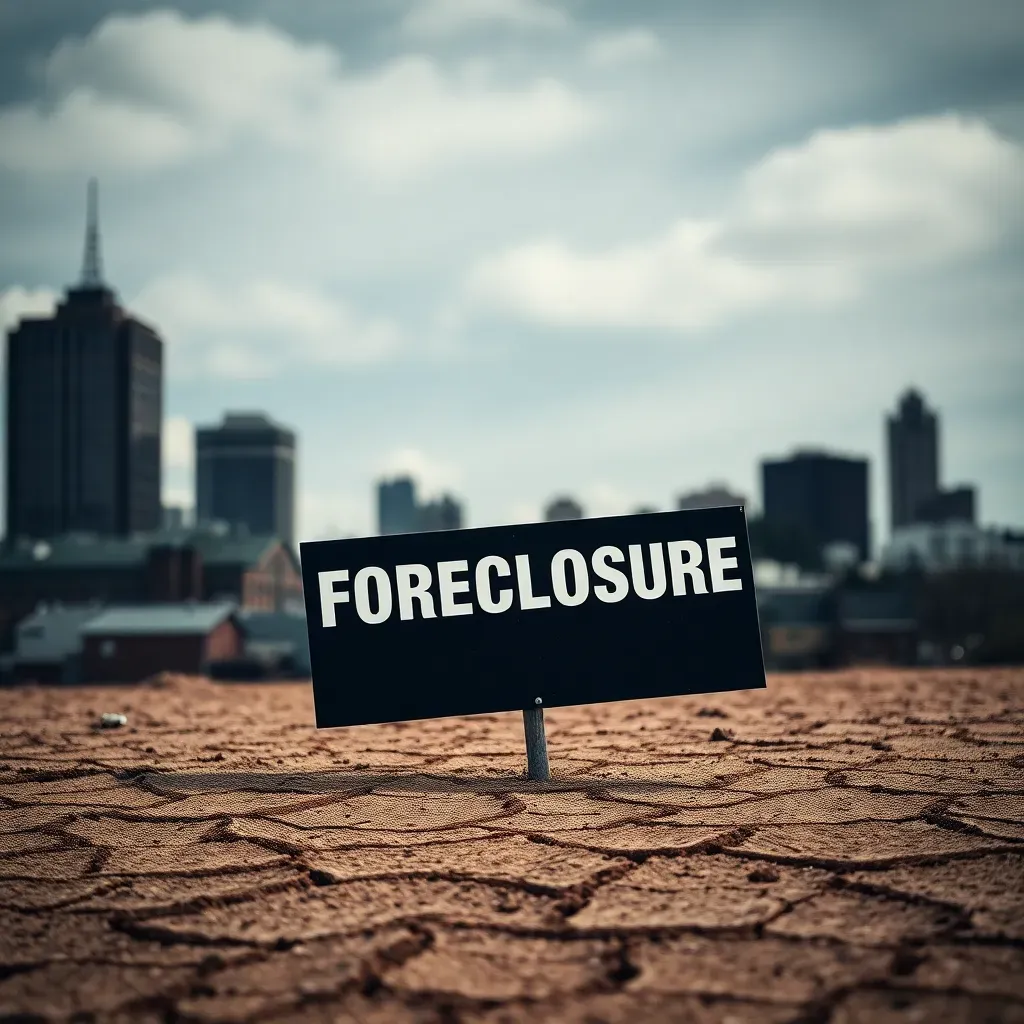
You’ve seen the headlines: local governments are constantly looking for ways to ease housing costs. Whether it’s through zoning changes, tax incentives, or direct subsidies, the goal is always to make housing more affordable. As a distressed real estate investor, it’s easy to dismiss these efforts as political noise, but that would be a mistake. These legislative shifts, like those recently discussed in the Coeur d'Alene Press, often create specific market conditions that savvy investors can leverage.
Let’s be direct: while legislators aim to lower costs for the general public, their actions can inadvertently open doors for those of us who understand how to navigate the distressed market. This isn't about exploiting policy; it's about recognizing market dynamics and positioning yourself to provide solutions where others see only problems.
### The Two Sides of Legislative Intervention
When a government body attempts to 'ease housing costs,' it typically does so through two main avenues, each with distinct implications for your investment strategy:
1. **Supply-Side Interventions:** These aim to increase the housing stock. Think rezoning for higher density, fast-tracking permits for new construction, or incentivizing developers. For you, this means potentially more inventory in the long run, which can stabilize or even slightly depress prices in certain segments. However, it also means more opportunities for acquisition if these new developments create competition for older, less desirable properties that become ripe for value-add strategies.
2. **Demand-Side Interventions:** These focus on helping people afford existing housing. Examples include rent control, first-time homebuyer programs, or property tax relief. Rent control, in particular, can be a double-edged sword. While it might protect tenants, it often discourages landlords from investing in maintenance or new construction, leading to a decline in property quality over time. This creates a fertile ground for distressed acquisitions – properties that are under-managed, neglected, and eventually become attractive targets for investors willing to put in the work to rehabilitate them.
### Identifying Opportunities in the Wake of Policy
Your job is to read between the lines and anticipate the ripple effects. Here’s how to approach it:
#### 1. Monitor Local Policy Discussions
Don’t just read the headlines; dig into the details of proposed legislation. Attend city council meetings, read local planning commission reports, and subscribe to local real estate news. Are they discussing rent control? New development zones? Changes to property tax assessments? Each of these can signal shifts in market value and potential distressed situations.
#### 2. Focus on Under-Maintained Assets
If policies like rent control are implemented, or if property taxes become burdensome without corresponding rent increases, many smaller landlords will struggle to maintain their properties. These are your targets. Look for:
* **Absentee Owners:** Landlords who live out of state or far from their properties are often the first to let maintenance slip when margins tighten. * **Elderly Landlords:** Those who have owned properties for decades and are nearing retirement may be unwilling or unable to make necessary capital improvements in a challenging regulatory environment. * **Properties with Deferred Maintenance:** Drive through neighborhoods. Look for peeling paint, overgrown yards, leaky gutters. These are visual cues of financial distress or neglect, often exacerbated by policy changes.
#### 3. Leverage the Charlie Framework for Rapid Assessment
When you identify a property that might be impacted by these policies, you need to assess its viability quickly. The **Charlie 6** framework is perfect for this. In 15 minutes, you can determine if a deal warrants deeper investigation:
* **C**ondition: What’s the visible state of repair? (Minor, Moderate, Major) * **H**eavy Lifting: What level of renovation is needed? (Cosmetic, Full Rehab, Tear Down) * **A**RVs: What’s the After Repair Value in the current market, considering policy impacts? * **R**epairs: Estimate the cost of repairs. * **L**iens/Encumbrances: Any visible public records of liens? (Quick title search) * **I**nvestor Profit: Can you hit your target profit margin after all costs? * **E**quity: What's the homeowner's estimated equity? (Rough estimate based on purchase price and current value)
Legislative efforts to 'ease housing costs' are often a blunt instrument, creating unintended consequences that you, as a skilled distressed real estate investor, can turn into opportunities. The key is to stay informed, understand the policy’s true impact, and apply a rigorous acquisition framework like the Charlie 6 to identify and secure profitable deals.
This is the kind of real-world market intelligence and tactical application we dive deep into. Want the full system for navigating these complex scenarios and building a robust distressed real estate business? See The Wilder Blueprint at wilderblueprint.com. This is one of the core frameworks covered in The Dirty Dozen training modules, designed to give you operational knowledge, not just theory.
*Disclaimer: Real estate investing involves risks, including the potential loss of capital. Market conditions, legislative changes, and individual property situations can vary. This content is for educational purposes only and does not constitute financial or legal advice. Always conduct your own due diligence and consult with appropriate professionals.*