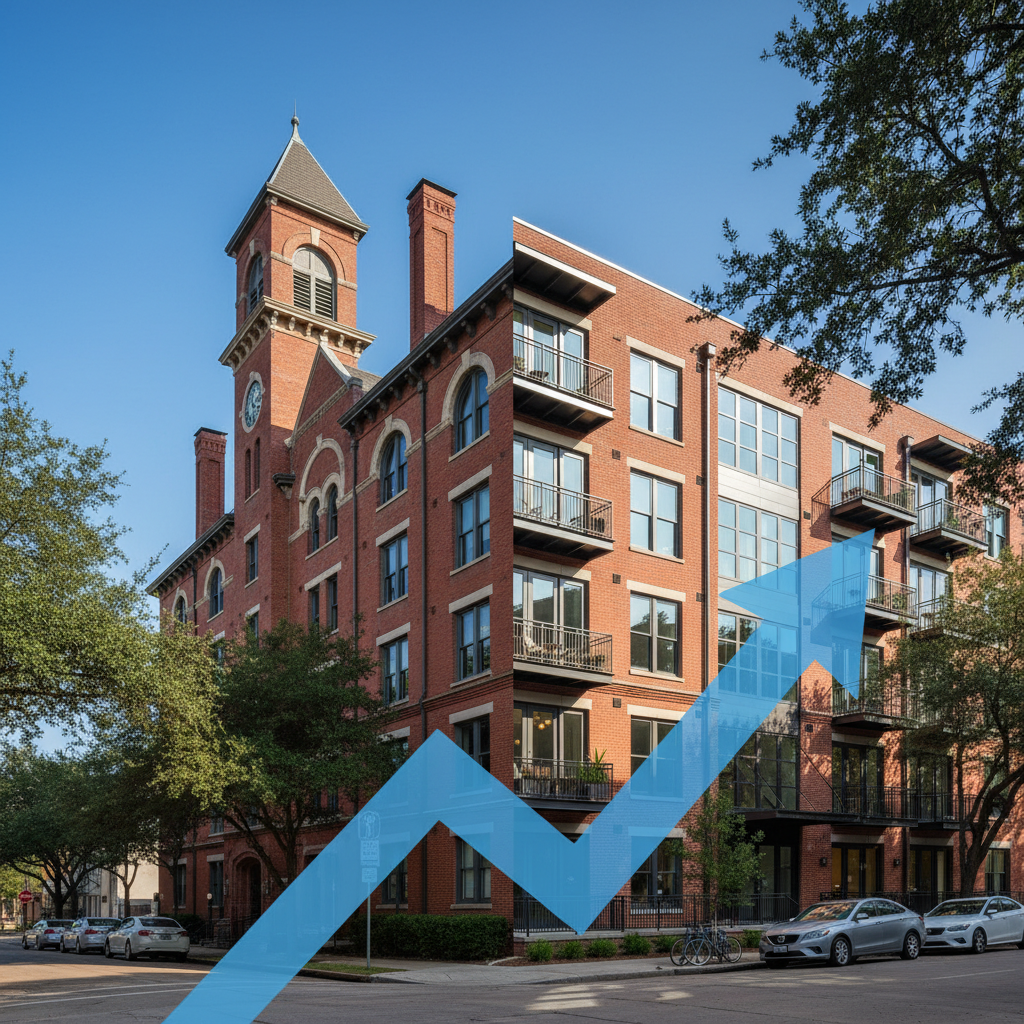
The recent revitalization of the historic Fifth Ward Hospital into St. Elizabeth’s Place, providing 94 units of affordable housing, offers a compelling case study for investors looking beyond traditional single-family flips or new construction. Repurposing distressed or underutilized commercial properties, especially those with historical significance, can unlock substantial value, but it demands a specialized approach.
Commercial-to-residential conversions, particularly for affordable housing initiatives, often benefit from a layered financing strategy. This project likely leveraged Low-Income Housing Tax Credits (LIHTC), historic tax credits, and potentially local government subsidies or grants. Understanding these complex capital stacks is paramount. For instance, LIHTC projects typically require a 15-year compliance period, impacting exit strategies and operational management. Investors must factor in the long-term commitment and the strict regulatory environment.
“These projects aren't for the faint of heart, but the returns, both financial and community-based, can be exceptional,” notes Sarah Chen, a seasoned developer specializing in adaptive reuse. “Your due diligence needs to extend beyond structural integrity to include zoning variances, environmental assessments, and a deep dive into local and federal incentive programs that can make or break the deal’s pro forma.”
Identifying suitable properties involves more than just a low purchase price. A building's 'bones'—its structural integrity, floorplate efficiency for residential units, and potential for energy efficiency upgrades—are critical. The former Fifth Ward Hospital, with its existing infrastructure, likely presented both challenges and opportunities for cost-effective conversion compared to ground-up construction.
Timelines for such projects are also extended. Permitting, historical review boards, and the syndication of tax credits can add significant delays. A typical commercial conversion can easily span 24-36 months from acquisition to stabilization, demanding robust capital reserves and a patient investment thesis.
“While the social impact of providing affordable housing is undeniable, the business case must stand strong,” advises Michael Vance, a real estate economist. “We're talking about a 7-10% cap rate potential on stabilized affordable housing assets, but only if you meticulously manage construction costs, secure favorable long-term financing, and navigate the regulatory labyrinth effectively.”
Adaptive reuse is a powerful strategy for investors with the expertise and resources to tackle its complexities. It offers a path to significant equity growth and stable cash flow, often with a positive community impact that can further enhance a project's viability.
Ready to explore advanced strategies for identifying and financing complex real estate deals? The Wilder Blueprint offers in-depth training on commercial conversions, tax credit syndication, and navigating the intricacies of large-scale investment projects.