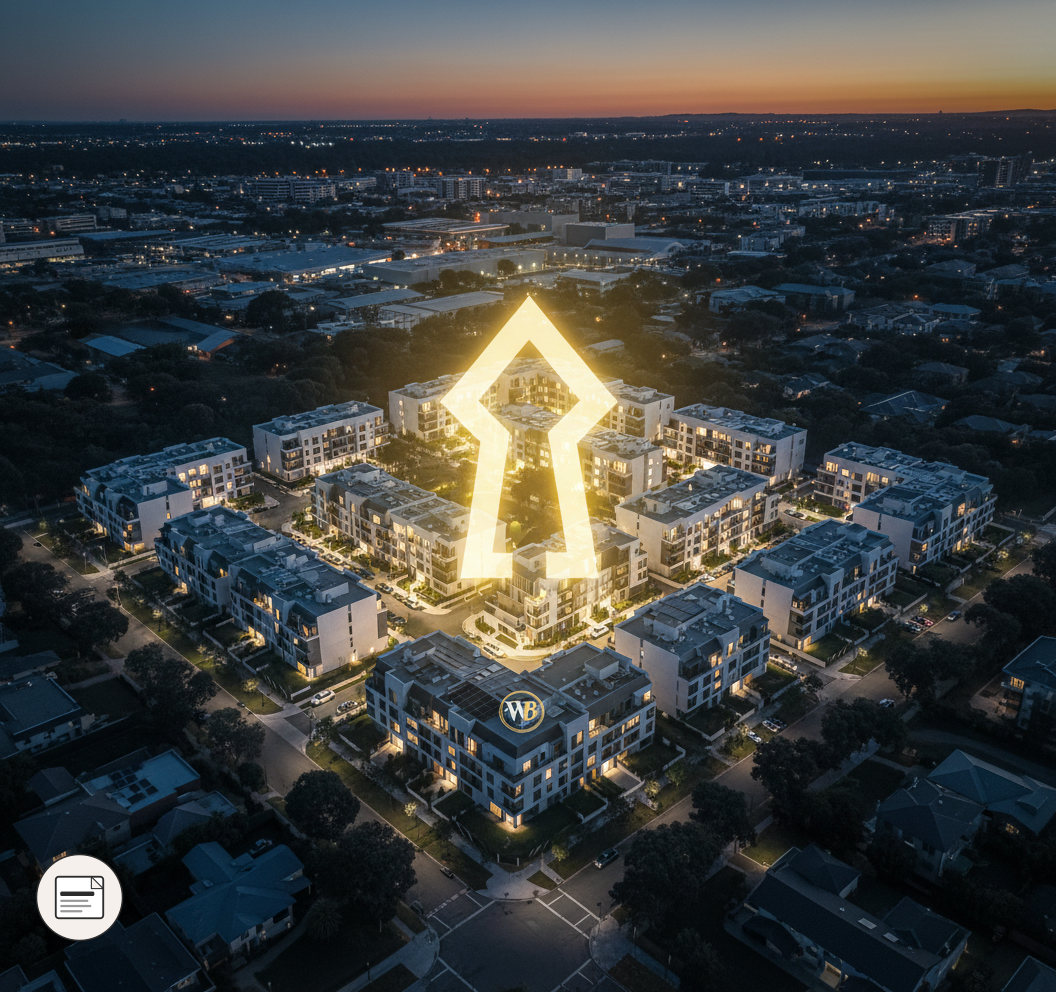
The recent announcement of Safehold closing its 20th affordable housing ground lease, marking its first venture into the Texas market, isn't just a feel-good story. It's a clear signal of a sophisticated financial instrument gaining traction, one that presents intriguing opportunities for real estate investors.
For those operating in the foreclosure and distressed asset space, understanding ground leases is crucial. A ground lease separates the ownership of the land from the ownership of the improvements (the building). The developer or building owner leases the land for an extended period—often 50 to 99 years—from the ground lease holder. This structure significantly reduces the upfront capital required for development or acquisition, making projects, especially affordable housing, more financially viable.
"We're seeing more institutional capital flow into ground lease structures, not just for affordable housing but across various asset classes," notes Brenda Chen, a veteran real estate analyst at Horizon Capital Group. "For investors, this means lower acquisition costs for the vertical improvements, potentially higher cap rates on the building, and a more predictable income stream from the leasehold interest, assuming the underlying land lease is well-structured and long-term."
From an investor's perspective, ground leases can be a powerful tool. For developers, it frees up capital that would otherwise be tied up in land acquisition, allowing for more projects or larger reserves. For those looking to acquire existing properties, a ground lease structure might present a lower entry point, potentially boosting cash-on-cash returns on the leasehold interest. However, due diligence is paramount. Investors must scrutinize the lease terms, rent reset clauses, default provisions, and the remaining lease term, as these factors directly impact financing and exit strategies.
"While ground leases can de-risk the initial capital outlay for a project, understanding the lease's specific mechanics—especially rent escalations, which can be fixed, CPI-indexed, or market-based—is critical," advises Marcus Thorne, a seasoned investor with over 30 years in commercial real estate. "A poorly negotiated ground lease can erode future profitability, particularly if market rents don't keep pace with leasehold obligations."
For investors eyeing the affordable housing sector, ground leases are often combined with tax credits (like LIHTC) and other subsidies, creating complex but potentially lucrative deals. These projects often come with long-term tenant stability and community support, aligning investment goals with social impact. The key is to analyze the entire capital stack and understand how the ground lease interacts with other financing components and regulatory agreements.
Mastering these complex financial structures is essential for maximizing returns and mitigating risks in today's dynamic real estate market. The Wilder Blueprint offers advanced training on deal structuring, financing, and due diligence for sophisticated investors navigating these evolving opportunities.