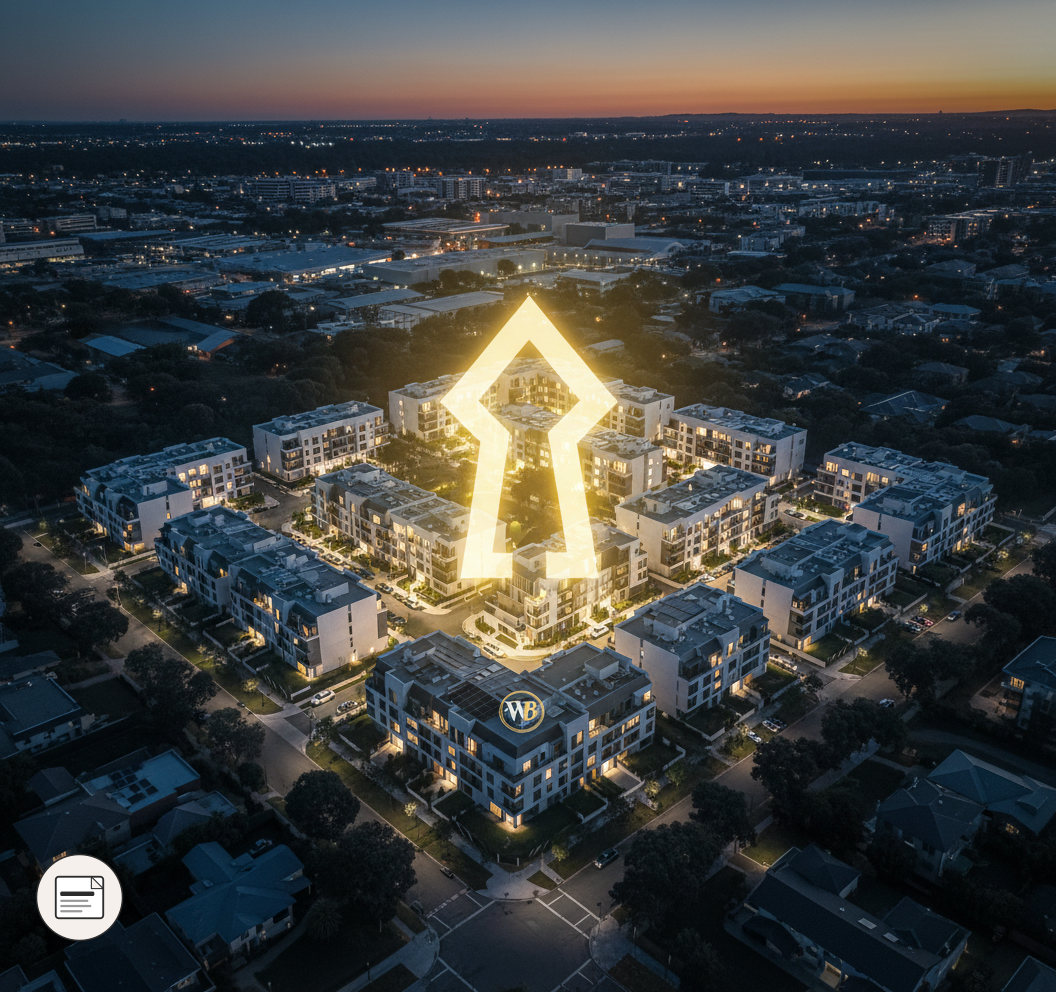
The recent announcement of Safehold closing its 20th affordable housing ground lease, marking its first in Texas, signals a significant trend for savvy real estate investors. This transaction underscores the increasing viability and strategic advantages of ground lease structures, particularly within the affordable housing sector.
For investors focused on long-term, stable returns and impact, understanding the ground lease model is crucial. A ground lease separates the ownership of the land from the ownership of the improvements (the building). The developer or building owner leases the land for an extended period—often 50 to 99 years—from the ground lessor, paying regular lease payments. This arrangement significantly reduces the upfront capital required for development, as the land acquisition cost is removed from the initial investment.
"Ground leases are a powerful tool for optimizing capital stacks, especially in high-cost markets or for projects with specific financing constraints like affordable housing," states Evelyn Reed, a veteran real estate analyst at Capital Insights Group. "They allow developers to deploy capital more efficiently into construction and operations, often improving project feasibility and ROI metrics like cash-on-cash return."
From an investor's perspective, this means two distinct opportunities: becoming a ground lessor or a ground lessee. As a ground lessor, you acquire the land and receive predictable, long-term income streams, often with built-in rent escalations. This can be an attractive option for institutional investors or those seeking bond-like returns with real estate backing. As a ground lessee, you can leverage capital more effectively, potentially increasing the number of projects you can undertake or enhancing the profitability of individual deals by reducing initial equity requirements.
This strategy is particularly potent in affordable housing where developers often navigate tighter margins and complex financing. By leveraging ground leases, developers can access additional funding, meet affordability requirements, and bring projects to fruition that might otherwise be stalled. The stability of affordable housing projects, often backed by government subsidies or tax credits, further enhances the appeal of ground lease income for lessors.
"We're seeing more sophisticated investors recognize the intrinsic value of separating land from improvements," adds Marcus Thorne, a multi-state real estate investor with over 30 years in the field. "It's not just about reducing upfront costs; it's about optimizing capital allocation and creating resilient, long-term income streams for both parties."
Understanding these nuanced financing structures is paramount for investors looking to thrive in today's dynamic real estate market. The Safehold deal in Texas is a clear indicator that ground leases are moving from niche financing to a mainstream strategy, particularly where social impact and financial viability intersect.
Ready to dive deeper into advanced real estate investment strategies like ground leases and their application in various market cycles? The Wilder Blueprint offers comprehensive training designed to equip you with the knowledge and tools to identify and execute complex deals with confidence.